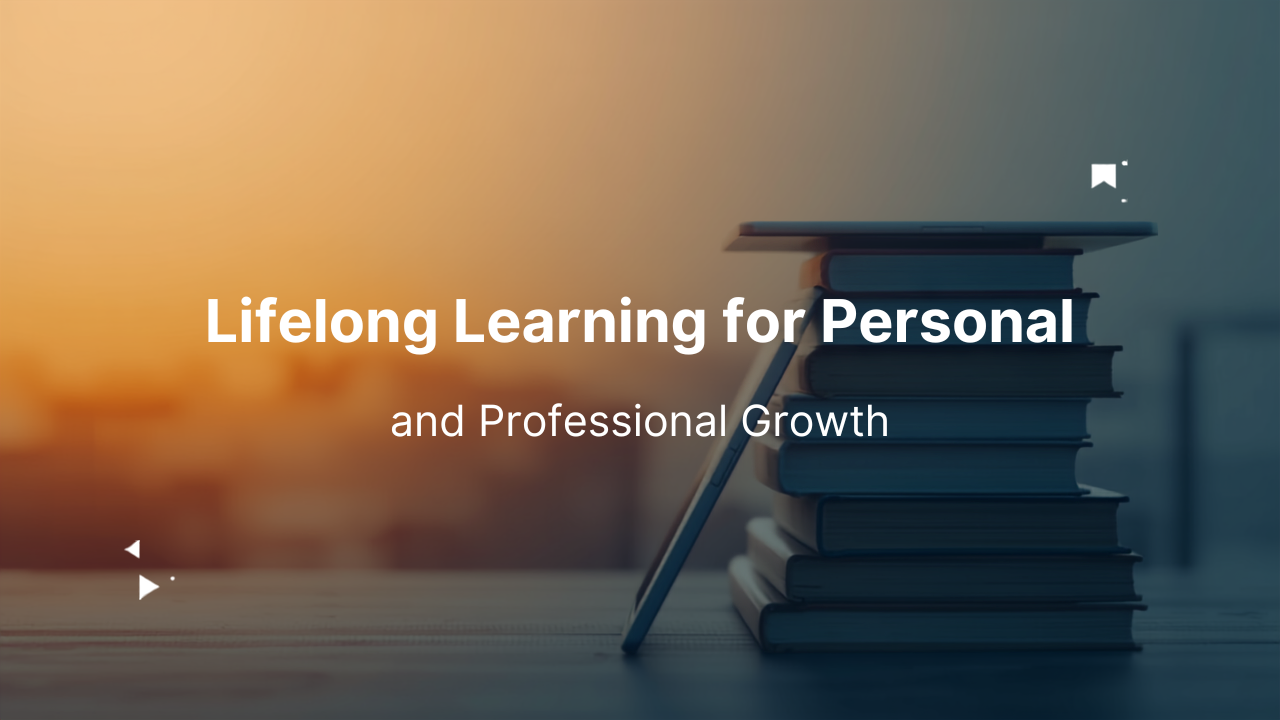
Learning does not end after graduating from school or earning a college degree. In today’s fast-changing world, the ability to continuously develop new skills and expand knowledge has become one of the most valuable qualities a person can have. Whether you are beginning your career, changing professions, running a business, or simply pursuing personal interests, lifelong learning helps you remain adaptable and confident.
Technology, workplace expectations, and industries evolve rapidly. Skills that were highly valuable a decade ago may now require updates or entirely new approaches. Lifelong learning allows individuals to keep pace with these changes while discovering fresh opportunities for growth. Beyond career success, it also enhances creativity, critical thinking, communication, and overall well-being.
This guide explores the meaning of lifelong learning, its benefits, practical learning strategies, and how to build habits that support continuous personal and professional development.
What Is Lifelong Learning?
Lifelong learning is the continuous pursuit of knowledge, skills, and personal development throughout life. Unlike formal education, lifelong learning extends beyond classrooms and universities. It includes structured learning, self-directed study, workplace training, hobbies, and everyday experiences.
The concept encourages people to remain curious and open to learning regardless of their age or profession. It recognizes that education is not a one-time achievement but an ongoing journey.
Examples of lifelong learning include:
- Reading books on new subjects
- Completing online certification courses
- Attending workshops and seminars
- Learning a new language
- Developing digital skills
- Practicing creative hobbies
- Listening to educational podcasts
- Seeking mentorship from experienced professionals
Every learning experience contributes to personal growth and strengthens the ability to adapt to change.
Why Lifelong Learning Matters More Than Ever
The modern world changes faster than ever before. Digital transformation, artificial intelligence, automation, and global connectivity continue to reshape industries and workplaces. As these changes occur, learning becomes essential rather than optional.
Professionals who regularly update their knowledge often find it easier to adjust to new technologies, changing job responsibilities, and evolving customer expectations. Continuous learning also helps individuals stay competitive in the job market while opening doors to leadership opportunities.
On a personal level, learning keeps the mind active and encourages intellectual curiosity. Research has shown that engaging in mentally stimulating activities can support cognitive health and improve problem-solving abilities throughout life.
Most importantly, lifelong learning creates confidence. When people continue learning, they become more comfortable facing unfamiliar situations because they trust their ability to acquire new knowledge.
Personal Benefits of Lifelong Learning
Builds Confidence
Learning new skills creates a sense of accomplishment. Every completed course, mastered technique, or newly acquired ability reinforces confidence and encourages people to take on greater challenges.
For example, someone who learns public speaking through practice and training may gradually become comfortable presenting ideas during meetings or conferences.
Improves Critical Thinking
Learning exposes people to different viewpoints and ideas. This encourages thoughtful analysis rather than relying solely on assumptions.
Reading books from multiple authors, studying history, or exploring scientific discoveries can help develop stronger reasoning skills and informed decision-making.
Encourages Creativity
New knowledge often inspires innovative thinking. Exposure to different disciplines allows people to connect ideas in unique ways.
A graphic designer studying psychology, for instance, may gain valuable insights into user behavior that improve design decisions.
Supports Mental Well-Being
Learning provides purpose and motivation. Pursuing meaningful goals, solving problems, and mastering new concepts can increase satisfaction and reduce feelings of stagnation.
Many people find learning enjoyable because it creates opportunities for self-improvement while keeping daily routines interesting.
Professional Benefits of Continuous Learning
Keeps Skills Current
Industries constantly introduce new tools, software, and best practices. Professionals who continue learning remain familiar with industry standards and technological advancements.
For example, marketing professionals who learn about data analytics and artificial intelligence can better understand customer behavior and improve campaign performance.
Increases Career Opportunities
Employers value candidates who demonstrate initiative and adaptability. Continuous learning reflects a willingness to grow, making professionals more attractive for promotions and leadership positions.
Certifications, technical training, and specialized courses often strengthen resumes while expanding career possibilities.
Improves Workplace Performance
Learning helps employees solve problems more efficiently and communicate more effectively with colleagues and clients.
As knowledge grows, professionals become better equipped to manage projects, lead teams, and contribute innovative ideas.
Enhances Leadership Skills
Successful leaders never stop learning. They study communication, emotional intelligence, strategic thinking, and organizational management to guide teams through change.
Continuous development enables leaders to make informed decisions while supporting the growth of others.
Developing a Lifelong Learning Mindset
Building a learning habit begins with the right mindset rather than expensive resources.
Stay Curious
Curiosity encourages exploration. Instead of avoiding unfamiliar topics, ask questions and seek answers through reliable sources.
Simple questions like “Why does this process work?” or “How can this be improved?” often lead to valuable discoveries.
Accept That Learning Never Ends
No one knows everything. Recognizing that knowledge continually evolves helps individuals remain open to feedback and improvement.
Professionals who embrace lifelong learning understand that each experience offers something new to learn.
View Mistakes as Learning Opportunities
Mistakes are valuable teachers. Instead of fearing failure, examine what went wrong and identify ways to improve.
Many successful entrepreneurs and innovators credit early failures as essential steps toward later achievements.
Effective Ways to Practice Lifelong Learning
Read Regularly
Books remain one of the most accessible learning resources. Reading across different subjects broadens knowledge while strengthening vocabulary and critical thinking.
Consider exploring topics outside your profession to gain fresh perspectives.
Take Online Courses
Digital learning platforms provide flexible opportunities to study technical skills, business management, communication, programming, design, finance, and countless other subjects.
Many courses allow learners to progress at their own pace while balancing work and personal responsibilities.
Listen to Podcasts
Educational podcasts make learning convenient during commuting, exercising, or household activities.
Experts often share practical experiences, interviews, research findings, and industry insights that can inspire new ideas.
Attend Workshops and Conferences
Professional events offer opportunities to learn from experienced speakers while networking with peers.
Workshops also encourage hands-on learning through practical exercises and collaborative discussions.
Learn Through Mentorship
Experienced mentors provide guidance based on real-world experience rather than theory alone.
Their advice can help learners avoid common mistakes while accelerating professional development.
Creating a Personal Learning Plan
Having clear learning goals improves consistency and motivation.
Identify Your Objectives
Start by asking yourself:
- What skills do I want to develop?
- Which areas of knowledge interest me?
- How will these skills support my future goals?
Specific objectives provide direction and make progress easier to measure.
Set Small Learning Goals
Breaking larger goals into manageable steps reduces overwhelm.
Instead of trying to master an entirely new field immediately, focus on completing one book, one course, or one project at a time.
Small achievements build momentum.
Schedule Dedicated Learning Time
Busy schedules often leave little room for personal development.
Setting aside even twenty to thirty minutes each day creates a sustainable learning habit.
Consistency matters more than studying for long periods occasionally.
Track Your Progress
Maintaining a learning journal or digital notebook helps reinforce knowledge while documenting accomplishments.
Reviewing completed milestones provides motivation to continue learning.
Lifelong Learning in the Workplace
Organizations increasingly encourage employees to continue developing their skills.
Companies often support learning through:
- Internal training programs
- Leadership development initiatives
- Professional certifications
- Knowledge-sharing sessions
- Cross-functional projects
- Employee mentoring
Individuals who actively participate in these opportunities often become more valuable contributors while preparing themselves for future responsibilities.
Common Challenges and How to Overcome Them
Limited Time
Many people believe they are too busy to learn.
The solution is to integrate learning into existing routines by reading during breaks, listening to podcasts while commuting, or studying short lessons before bed.
Information Overload
The internet offers unlimited educational resources, making it difficult to choose where to start.
Focus on trusted books, reputable educational platforms, industry publications, and recognized experts rather than trying to learn everything at once.
Fear of Failure
Some adults hesitate to learn because they worry about making mistakes.
Remember that every expert was once a beginner. Progress comes through consistent practice rather than immediate perfection.
Real Life Example of Lifelong Learning
Imagine a customer service representative named Priya who notices increasing demand for digital communication tools within her company.
Instead of waiting for formal training, she begins taking online courses in customer relationship management software, communication strategies, and data analysis. She also reads industry blogs and joins professional webinars.
Within two years, Priya develops valuable technical and analytical skills that enable her to transition into a customer success management role. Her willingness to continue learning opens new career opportunities that might not have been possible through experience alone.
Stories like Priya’s demonstrate how small, consistent learning efforts can create significant long-term growth.
Expert Perspective on Continuous Learning
Career development experts consistently emphasize that adaptability has become one of the most important workplace skills. While technical knowledge remains valuable, employers increasingly seek individuals who demonstrate curiosity, flexibility, and a commitment to ongoing improvement.
Educational researchers also note that active learning methods such as practicing skills, teaching others, participating in discussions, and applying knowledge to real situations improve long-term understanding far more effectively than passive reading alone.
Combining theory with practical application allows learners to retain information and build confidence through experience.
Frequently Asked Questions
What is lifelong learning?
Lifelong learning is the continuous process of acquiring knowledge, developing skills, and improving personal or professional abilities throughout life.
Why is lifelong learning important?
It helps individuals stay adaptable, improve career opportunities, strengthen critical thinking, increase confidence, and continue personal growth in a changing world.
How can I start lifelong learning?
Begin by identifying your learning goals, reading regularly, taking online courses, attending workshops, seeking mentorship, and dedicating consistent time each week to learning.
Is lifelong learning only for career growth?
No. Lifelong learning supports both professional success and personal fulfillment by improving creativity, communication, problem-solving, and overall well-being.
Lifelong learning is one of the most valuable investments anyone can make. It empowers individuals to adapt to change, discover new opportunities, strengthen professional skills, and achieve meaningful personal growth. Rather than viewing education as something that ends with graduation, lifelong learners recognize that every experience offers a chance to gain knowledge and improve.
The journey does not require dramatic changes or expensive programs. Small daily actions, such as reading a chapter of a book, completing an online lesson, asking thoughtful questions, or practicing a new skill, gradually build lasting expertise. Over time, these consistent efforts create greater confidence, resilience, and adaptability, helping individuals thrive in both their personal lives and professional careers.
