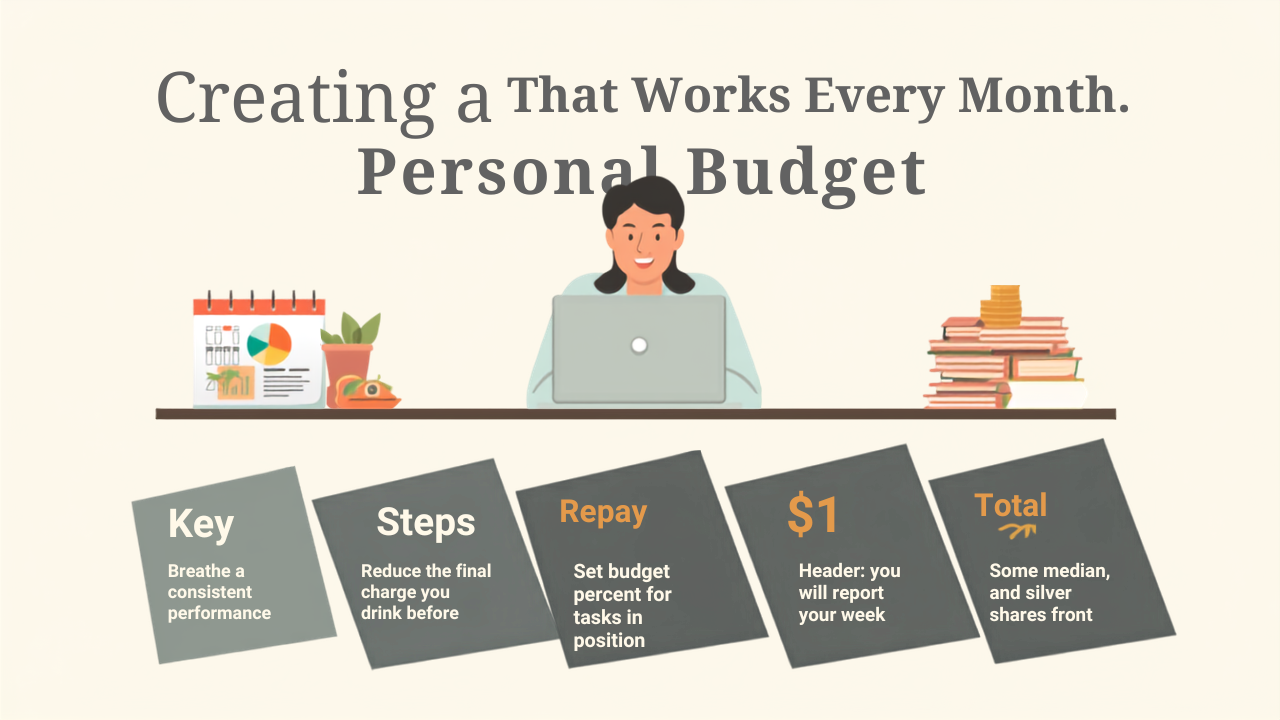
Managing personal finances can feel overwhelming, especially when expenses seem to increase faster than income. Many people begin each month with good intentions but end up wondering where their money went by the end of the month. A well-designed personal budget changes that by giving every dollar a purpose and helping you stay in control of your finances.
Creating a budget is not about eliminating every enjoyable expense or living with constant restrictions. Instead, it is about making thoughtful financial decisions that align with your priorities. Whether your goal is paying off debt, building an emergency fund, saving for a vacation, or simply reducing financial stress, a monthly budget provides a clear roadmap.
Financial experts consistently recommend budgeting as one of the most effective ways to improve long-term financial health. Studies have shown that individuals who regularly monitor their spending are more likely to save consistently and avoid unnecessary debt. The good news is that budgeting does not require advanced financial knowledge. With the right approach, anyone can create a budget that is practical, flexible, and sustainable.
Why a Personal Budget Is Important
A personal budget acts as a financial blueprint. Instead of wondering whether you can afford something, your budget provides the answer based on your financial priorities.
Some of the biggest advantages include:
- Better control over spending
- Improved savings habits
- Reduced financial stress
- Easier debt management
- Better preparation for emergencies
- Clear progress toward financial goals
Imagine receiving your monthly salary and immediately knowing how much is allocated for rent, groceries, transportation, entertainment, savings, and investments. That level of clarity removes uncertainty and helps prevent impulsive spending.
Understand Your Monthly Income
The first step in creating an effective budget is knowing exactly how much money comes in each month.
Your monthly income may include:
- Salary after taxes
- Freelance earnings
- Business income
- Rental income
- Investment income
- Government benefits
- Side hustle earnings
If your income changes from month to month, calculate the average income over the last six to twelve months. Using an average provides a more realistic picture and helps create a flexible spending plan.
For example, a freelance graphic designer who earns varying amounts each month can average previous earnings and budget conservatively during higher-income months.
Track Every Expense
Many people underestimate how much they spend because small purchases often go unnoticed. Recording every expense helps reveal spending patterns.
Common expense categories include:
Housing
Housing typically represents the largest monthly expense.
Examples include:
- Rent or mortgage
- Property taxes
- Home insurance
- Maintenance
Utilities
Utility expenses may include:
- Electricity
- Water
- Internet
- Mobile phone
- Gas
Transportation
Transportation costs often include:
- Fuel
- Public transport
- Car payments
- Insurance
- Repairs
Food
Include both grocery shopping and dining out.
Many households discover that restaurant spending exceeds their grocery budget without realizing it.
Healthcare
Budget for:
- Insurance premiums
- Doctor visits
- Prescription medications
- Medical emergencies
Personal Spending
This category covers:
- Clothing
- Entertainment
- Streaming services
- Hobbies
- Personal care
Savings
Savings should never be treated as an afterthought.
Include:
- Emergency fund
- Retirement savings
- Vacation fund
- Investment contributions
Calculate Your Spending Patterns
After tracking expenses for one month, compare spending with income.
You may notice patterns like:
- Frequent online shopping
- Excessive food delivery
- Subscription services rarely used
- Weekend entertainment expenses
- Impulse purchases
For example, someone spending ₹300 daily on coffee may spend nearly ₹9,000 each month without realizing it. Small expenses often have a significant impact over time.
Choose a Budgeting Method
There is no universal budgeting system. The best method depends on your financial situation and personality.
The 50 30 20 Budget
This popular budgeting method divides income into three categories.
- 50% for needs
- 30% for wants
- 20% for savings and debt repayment
Needs include housing, food, transportation, and utilities.
Wants include entertainment, shopping, travel, and hobbies.
Savings include emergency funds, retirement contributions, and investments.
This approach works well for beginners because it is easy to understand and maintain.
Zero Based Budgeting
With zero-based budgeting, every dollar of income receives a specific purpose until the remaining balance reaches zero.
Income equals:
Expenses + Savings + Investments = Zero
This method encourages intentional spending and reduces waste.
Envelope Budgeting
This traditional system assigns cash to different spending categories.
For example:
- Groceries
- Dining
- Transportation
- Entertainment
Once the money in an envelope is gone, spending in that category stops until the next month.
Today, many budgeting apps offer digital versions of this system.
Set Realistic Financial Goals
Budgets become more meaningful when connected to clear financial goals.
Short-term goals may include:
- Paying off a credit card
- Saving for holiday shopping
- Building a small emergency fund
Medium-term goals include:
- Buying a car
- Home down payment
- Professional certification
Long-term goals often include:
- Retirement planning
- Children’s education
- Financial independence
Goals provide motivation during months when budgeting feels difficult.
Build an Emergency Fund
Unexpected expenses happen to everyone.
Examples include:
- Medical emergencies
- Job loss
- Car repairs
- Home repairs
Without savings, these expenses often lead to debt.
Financial professionals commonly recommend building an emergency fund covering three to six months of essential living expenses.
If that feels overwhelming, start with a smaller goal such as one month’s expenses or even ₹10,000. Consistent savings matter more than starting with a large amount.
Reduce Unnecessary Expenses
Budgeting does not require giving up everything you enjoy.
Instead, focus on spending that provides genuine value.
Consider asking yourself:
- Do I use every subscription service?
- Can I cook at home more often?
- Am I buying items because I need them or because they are on sale?
- Could I negotiate insurance or internet bills?
Small adjustments often create significant monthly savings without reducing overall quality of life.
Automate Savings
One of the easiest ways to stay consistent is automation.
Schedule automatic transfers for:
- Savings accounts
- Investment accounts
- Retirement contributions
When savings happen automatically, there is less temptation to spend the money elsewhere.
Many successful savers treat savings as a mandatory monthly expense rather than something left over after spending.
Use Budgeting Tools
Technology has made budgeting easier than ever.
Popular budgeting tools allow users to:
- Track spending
- Categorize expenses
- Set savings goals
- Monitor progress
- Receive spending alerts
Some people prefer spreadsheets, while others use mobile budgeting applications.
The best tool is the one you will consistently use.
Review Your Budget Every Month
A budget should evolve as your life changes.
Review your budget monthly to account for:
- Salary increases
- Inflation
- New financial goals
- Family changes
- Seasonal expenses
For example, holiday spending during December may require temporary adjustments that are unnecessary during other months.
Monthly reviews help ensure your budget remains realistic and effective.
Common Budgeting Mistakes to Avoid
Many budgets fail because expectations are unrealistic rather than because budgeting itself is ineffective.
Ignoring Small Purchases
Daily snacks, coffee, and online purchases may seem insignificant individually, but together they can represent thousands each month.
Setting Unrealistic Limits
Budgets that eliminate all entertainment often become impossible to maintain.
Leave room for enjoyment while staying within reasonable limits.
Forgetting Irregular Expenses
Annual insurance premiums, birthdays, vehicle maintenance, and school fees should be planned in advance.
Divide annual expenses by twelve and save a small amount each month.
Not Tracking Progress
Budgets only work when reviewed consistently.
Checking your spending weekly helps identify problems before they become larger financial issues.
Real Life Example of Monthly Budgeting
Consider Sarah, who earns ₹60,000 per month.
Initially, she struggled to save despite earning a steady income.
After tracking her expenses, she discovered:
- ₹7,500 spent on food delivery
- ₹4,000 on subscriptions
- ₹6,000 on impulse shopping
Rather than eliminating everything, she made small changes.
She reduced food delivery to weekends, canceled unused subscriptions, and created a shopping budget.
Within six months, Sarah saved over ₹90,000 while still enjoying occasional dining out and entertainment.
Her success came from consistency rather than extreme financial restrictions.
Budgeting During Inflation
Rising prices can make budgeting more challenging.
During periods of inflation:
- Prioritize essential expenses
- Compare prices before shopping
- Buy frequently used household items in bulk when practical
- Review recurring bills regularly
- Increase emergency savings whenever possible
A flexible budget adapts to changing economic conditions rather than remaining fixed.
Budgeting for Families
Family budgeting involves communication and shared financial goals.
Helpful strategies include:
Involve Everyone
Discuss financial priorities together.
Children can also learn valuable money management skills by participating in simple budgeting discussions.
Plan for Shared Expenses
Include:
- Education
- Healthcare
- Groceries
- Transportation
- Family activities
Prepare for Unexpected Costs
Children often bring unexpected expenses, making emergency savings even more important.
Tips to Stay Consistent
Building lasting budgeting habits requires patience.
Helpful habits include:
- Check your budget weekly.
- Celebrate financial milestones.
- Avoid comparing your finances with others.
- Adjust your budget instead of abandoning it.
- Focus on progress rather than perfection.
Remember that every month provides another opportunity to improve your financial habits.
Frequently Asked Questions
How much should I save every month?
The amount depends on your income, expenses, and financial goals. Many financial experts recommend saving at least 20% of your income whenever possible, but even smaller, consistent contributions can make a meaningful difference over time.
What if my income changes every month?
Use your average monthly income from the past six to twelve months. Budget based on your lowest expected income and save extra earnings during higher-income months.
Should I budget if I have no debt?
Yes. Budgeting is valuable regardless of your debt situation. It helps you build savings, invest wisely, prepare for emergencies, and achieve future financial goals.
How often should I update my budget?
Review your budget at least once every month. Update it whenever your income, expenses, or financial priorities change.
Creating a personal budget that works every month is not about limiting your lifestyle but about gaining confidence in your financial decisions. A thoughtful budget helps you understand where your money goes, reduce unnecessary expenses, prepare for unexpected situations, and steadily work toward meaningful financial goals. The most successful budgets are flexible enough to adapt to life’s changes while remaining consistent with your priorities. By tracking your income, monitoring your spending, saving regularly, and reviewing your progress each month, you can develop healthy financial habits that support long-term stability and peace of mind. Over time, these small, consistent actions can lead to greater financial security and a stronger foundation for achieving both short-term needs and long-term aspirations.
