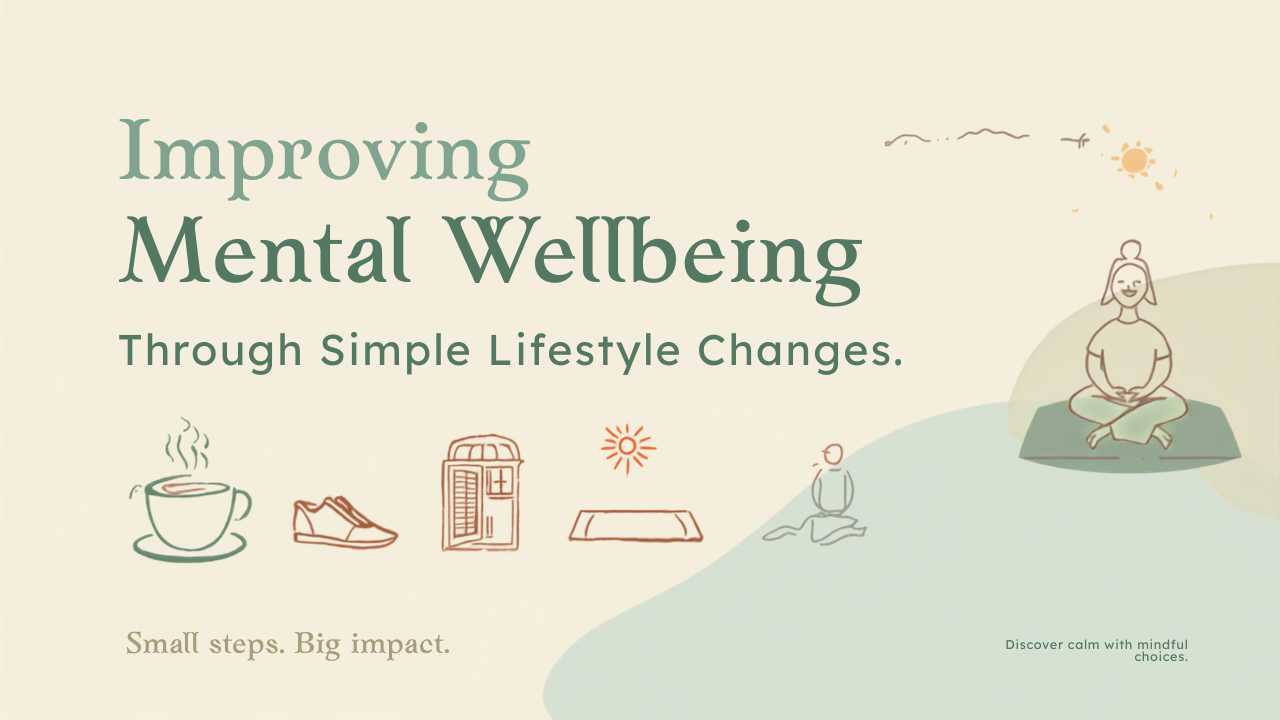
Mental wellbeing is an essential part of overall health, influencing how we think, feel, and respond to life’s challenges. It affects relationships, productivity, physical health, and personal growth. While stressful situations are unavoidable, everyday habits can significantly shape emotional resilience and mental balance.
Many people believe improving mental wellbeing requires dramatic life changes, but research consistently shows that small, sustainable habits often create the greatest long-term benefits. A healthier routine, better sleep, regular movement, nutritious meals, and meaningful social connections all contribute to emotional wellness.
Imagine two people facing similar work pressures. One skips meals, sleeps only five hours, and rarely takes breaks. The other prioritizes sleep, walks every evening, and spends time with supportive friends. Although both experience stress, the second person is generally better equipped to manage challenges because of healthier daily habits.
This guide explores practical lifestyle changes that support better mental wellbeing and can be adapted to different lifestyles and age groups.
Understanding Mental Wellbeing
Mental wellbeing goes beyond the absence of mental illness. It reflects a person’s ability to cope with everyday stress, build healthy relationships, make thoughtful decisions, and enjoy life.
Strong mental wellbeing helps people:
- Handle stress more effectively.
- Stay focused and productive.
- Build resilience during difficult times.
- Maintain healthy relationships.
- Experience greater life satisfaction.
Mental wellbeing exists on a spectrum. Some days naturally feel more challenging than others, but maintaining healthy routines can help improve emotional stability over time.
Why Lifestyle Choices Matter
Our brain and body constantly interact. Sleep affects mood, nutrition influences brain function, physical activity changes hormone levels, and social interactions impact emotional health.
Scientists have found that lifestyle factors contribute significantly to emotional wellbeing because they influence neurotransmitters such as serotonin, dopamine, and endorphins, which help regulate mood, motivation, and emotional balance.
Small daily improvements often produce meaningful long-term results.
Prioritize Quality Sleep
Sleep is one of the strongest foundations of mental wellbeing.
During sleep, the brain processes emotions, stores memories, repairs cells, and restores energy. Poor sleep often contributes to irritability, anxiety, poor concentration, and reduced emotional resilience.
Adults generally benefit from seven to nine hours of quality sleep each night.
Tips for Better Sleep
- Maintain a consistent bedtime.
- Reduce screen exposure before sleeping.
- Keep the bedroom cool and quiet.
- Avoid large meals and caffeine late in the evening.
- Create a relaxing nighttime routine.
Someone who regularly sleeps well often finds it easier to stay patient, focused, and emotionally balanced throughout the day.
Stay Physically Active
Exercise benefits both physical and mental health.
Regular movement stimulates the release of endorphins, often called the body’s natural feel-good chemicals. Physical activity also reduces stress hormones and supports better sleep.
Exercise does not require an expensive gym membership.
Simple activities include:
- Walking around the neighborhood.
- Cycling.
- Yoga.
- Dancing.
- Gardening.
- Stretching exercises.
- Swimming.
Even thirty minutes of moderate activity most days of the week can improve mood and energy levels.
Exercise Supports Brain Health
Research suggests regular physical activity may improve:
- Memory.
- Attention span.
- Problem-solving abilities.
- Emotional regulation.
- Self-confidence.
Many people notice they feel calmer and more positive after a brisk walk or light workout.
Eat Foods That Support Brain Function
Nutrition directly influences brain health.
The brain requires a steady supply of nutrients to function effectively. Diets rich in whole foods support better concentration, mood, and energy.
Helpful foods include:
- Fresh fruits.
- Vegetables.
- Whole grains.
- Nuts.
- Seeds.
- Beans.
- Lentils.
- Healthy fats.
- Fish rich in omega-3 fatty acids.
Stay Hydrated
Even mild dehydration may reduce concentration and increase fatigue.
Drinking enough water throughout the day helps support both physical and mental performance.
Limit Highly Processed Foods
Highly processed foods rich in added sugars and unhealthy fats may contribute to fluctuations in energy and mood.
This does not mean eliminating favorite treats completely. Instead, aim for balance by choosing nutritious foods most of the time.
Practice Mindfulness Every Day
Mindfulness involves paying attention to the present moment without judgment.
Rather than dwelling on past events or worrying about the future, mindfulness encourages awareness of current thoughts, emotions, and surroundings.
Simple mindfulness practices include:
- Deep breathing.
- Guided meditation.
- Mindful walking.
- Journaling.
- Body scan exercises.
A Five-Minute Mindfulness Habit
Take five slow breaths.
Notice how your body feels.
Observe sounds around you.
Focus only on the current moment.
This short practice can help reduce stress during busy days.
Build Meaningful Relationships
Humans naturally seek connection.
Supportive relationships help people feel understood, valued, and emotionally secure.
Friends, family members, neighbors, coworkers, and community groups all contribute to social wellbeing.
Quality Matters More Than Quantity
Having a few trusted relationships often provides greater emotional support than maintaining many superficial connections.
Simple ways to strengthen relationships include:
- Checking in regularly.
- Listening actively.
- Expressing appreciation.
- Spending uninterrupted time together.
- Offering help when needed.
Meaningful conversations often improve mood more than endless scrolling on social media.
Spend More Time Outdoors
Nature provides a refreshing break from busy routines.
Spending time outside has been associated with reduced stress, improved mood, and better concentration.
You do not need to visit remote forests to enjoy these benefits.
Consider:
- Walking through a local park.
- Sitting under trees.
- Gardening.
- Watching the sunrise.
- Visiting a botanical garden.
Even fifteen to twenty minutes outdoors can create a calming effect.
Reduce Daily Stress in Healthy Ways
Stress is a normal part of life.
The goal is not to eliminate stress completely but to develop healthier ways of managing it.
Healthy Stress Management Techniques
- Practice deep breathing.
- Take regular breaks.
- Organize daily tasks.
- Avoid multitasking whenever possible.
- Set realistic expectations.
- Make time for enjoyable hobbies.
Many people find creative activities such as painting, reading, cooking, or music relaxing after busy workdays.
Limit Digital Overload
Technology offers many benefits, but constant notifications and excessive screen time may increase stress and mental fatigue.
Digital overload can contribute to:
- Reduced attention.
- Sleep disruption.
- Information fatigue.
- Social comparison.
- Emotional exhaustion.
Create Healthier Digital Habits
Try:
- Turning off unnecessary notifications.
- Scheduling screen-free periods.
- Avoiding devices before bedtime.
- Spending more time in face-to-face conversations.
These simple adjustments can help improve focus and emotional wellbeing.
Develop Healthy Daily Routines
Daily routines reduce decision fatigue and create a greater sense of stability.
A consistent schedule often supports better productivity and emotional balance.
A balanced routine might include:
- Waking at a similar time.
- Eating regular meals.
- Physical activity.
- Work or study periods.
- Relaxation time.
- Quality sleep.
Small routines become powerful habits when repeated consistently.
Practice Gratitude
Gratitude shifts attention toward positive experiences rather than focusing exclusively on difficulties.
Keeping a gratitude journal is a simple practice.
Each evening, write down three things you appreciated during the day.
Examples include:
- A supportive conversation.
- A pleasant meal.
- Completing an important task.
- Enjoying fresh air.
- Learning something new.
Over time, this habit can encourage a more balanced perspective.
Continue Learning and Growing
Learning stimulates the brain and promotes confidence.
Personal growth does not require formal education.
People can continue learning through:
- Reading books.
- Taking online courses.
- Exploring new hobbies.
- Learning a language.
- Developing creative skills.
Growth often brings a stronger sense of purpose and accomplishment.
Set Realistic Goals
Large goals can feel overwhelming.
Breaking them into smaller steps increases motivation and builds confidence.
Instead of saying, “I want to become healthier,” consider goals such as:
- Walk twenty minutes every day.
- Drink more water.
- Read ten pages daily.
- Sleep before 11 PM.
Small successes create momentum.
Learn to Say No
Many people experience stress because they take on more responsibilities than they can comfortably manage.
Setting healthy boundaries protects both time and emotional energy.
Saying no respectfully allows people to focus on commitments that truly matter.
Healthy boundaries strengthen relationships rather than weaken them.
Recognize When Extra Support May Help
Lifestyle habits play an important role in mental wellbeing, but there are times when additional support is beneficial.
Persistent feelings of sadness, overwhelming anxiety, difficulty functioning, or emotional distress that continues for weeks deserve attention from a qualified healthcare or mental health professional.
Seeking guidance is a proactive step toward better wellbeing and reflects a commitment to personal health.
Common Myths About Mental Wellbeing
Mental wellbeing only matters during stressful times
Mental wellbeing deserves attention every day, just like physical health. Healthy habits are most effective when practiced consistently.
Self-care is selfish
Taking care of your own wellbeing helps you better support family, friends, and colleagues.
Small habits do not make a difference
Research consistently shows that small, repeated actions often produce meaningful improvements over time.
Everyone needs the same routine
Mental wellbeing is personal. Strategies should be adapted to individual needs, preferences, and circumstances.
Frequently Asked Questions
What is the simplest way to improve mental wellbeing?
Maintaining consistent sleep, regular physical activity, balanced nutrition, meaningful social connections, and daily stress management practices provides a strong foundation for better mental wellbeing.
How long does it take to notice improvements?
Some people notice positive changes within days after improving sleep or increasing physical activity, while lasting lifestyle habits often produce greater benefits over several weeks or months.
Can exercise improve emotional health?
Yes. Regular physical activity supports mood by releasing endorphins, improving sleep quality, reducing stress hormones, and increasing self-confidence.
Does nutrition affect mental wellbeing?
A balanced diet rich in whole foods, healthy fats, fruits, vegetables, and adequate hydration supports healthy brain function and emotional balance.
Improving mental wellbeing does not require dramatic transformations. Lasting change often begins with simple, consistent lifestyle habits that support both the mind and body. Better sleep, regular movement, nutritious meals, mindfulness, meaningful relationships, time outdoors, healthy routines, and realistic goals all contribute to stronger emotional resilience over time.
Everyone’s journey is different, and progress may happen gradually rather than overnight. By focusing on small, sustainable improvements instead of perfection, individuals can build habits that support long-term mental wellbeing and a healthier, more balanced life. Consistency, self-awareness, and patience remain some of the most powerful tools for nurturing emotional health every day.
