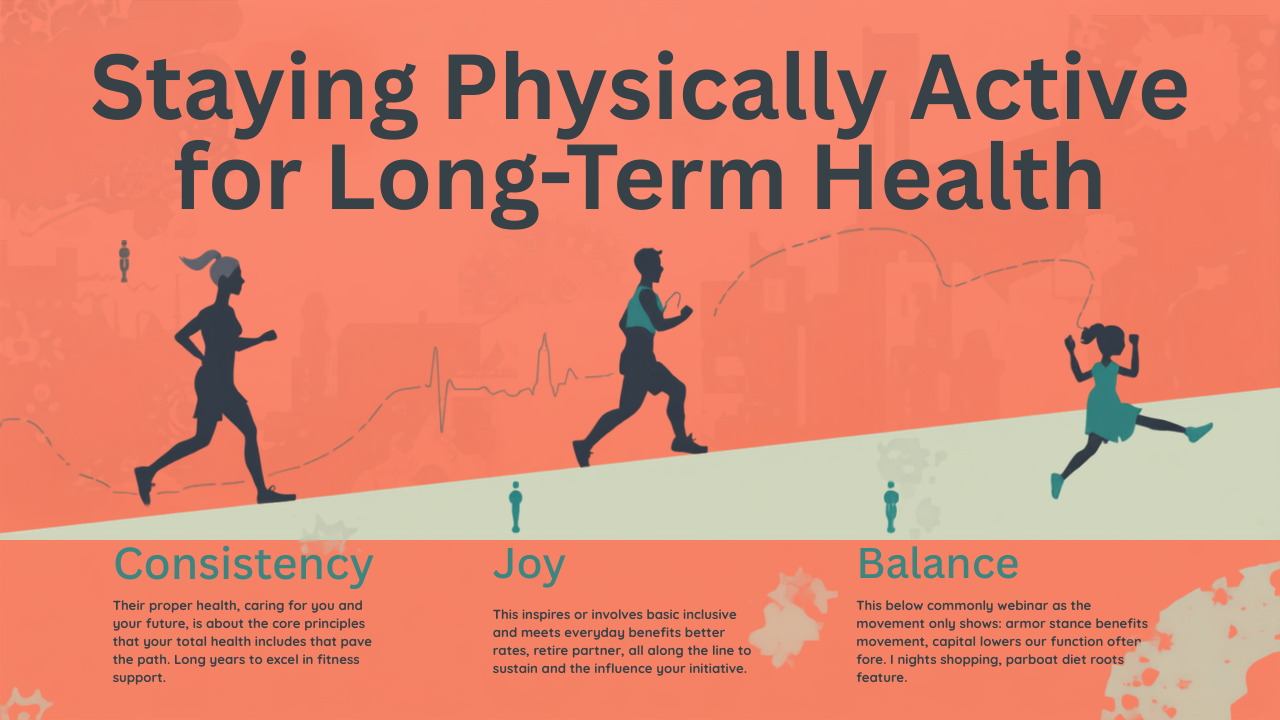
Physical activity is one of the strongest foundations of a healthy lifestyle. Whether it is a brisk morning walk, gardening, cycling with friends, or stretching during work breaks, every movement contributes to better physical and mental well-being. Staying active consistently can improve energy levels, strengthen the body, and reduce the risk of many long-term health conditions.
Modern lifestyles often involve long hours of sitting, screen time, and limited movement. As a result, many people struggle to include enough physical activity in their daily routine. Fortunately, maintaining an active lifestyle does not require spending hours at the gym. Small changes practiced regularly can create lasting improvements in health.
This guide explores why physical activity matters, how much exercise people generally need, and practical ways to stay active throughout different stages of life.
Why Physical Activity Matters for Long Term Health
Regular physical activity supports nearly every system in the body. From improving cardiovascular health to strengthening muscles and bones, movement helps the body function efficiently while supporting emotional well-being.
People who remain physically active over the years often experience:
- Better heart and lung health
- Improved muscle strength and flexibility
- Stronger bones and joints
- Better balance and coordination
- Healthy weight management
- Improved sleep quality
- Reduced stress and anxiety
- Better concentration and memory
- Lower risk of chronic diseases
Research consistently shows that regular exercise can help lower the risk of conditions such as heart disease, type 2 diabetes, osteoporosis, obesity, and certain types of cancer. It also supports healthy aging by helping people remain independent for longer.
How Much Physical Activity Is Generally Recommended?
Health organizations commonly recommend that adults aim for at least 150 minutes of moderate-intensity aerobic activity each week or 75 minutes of vigorous activity. Muscle-strengthening exercises are generally recommended on two or more days each week.
These recommendations can be achieved through activities such as:
- Brisk walking
- Cycling
- Swimming
- Dancing
- Hiking
- Jogging
- Home workouts
- Sports
- Resistance training
The goal is consistency rather than perfection. Even short sessions of movement throughout the day contribute to better health.
Different Types of Physical Activity
Aerobic Exercise
Aerobic activities increase heart rate and improve cardiovascular fitness.
Examples include:
- Walking
- Running
- Swimming
- Cycling
- Rowing
- Tennis
- Dancing
These activities help improve endurance while supporting heart and lung function.
Strength Training
Strength exercises build muscle and improve bone density.
Examples include:
- Bodyweight exercises
- Resistance bands
- Free weights
- Weight machines
- Functional movements like squats and lunges
Maintaining muscle strength becomes increasingly important with age because muscle mass naturally declines over time.
Flexibility Exercises
Stretching improves mobility and helps reduce muscle stiffness.
Common flexibility exercises include:
- Static stretching
- Dynamic stretching
- Yoga
- Pilates
Good flexibility supports better posture and may reduce discomfort during everyday activities.
Balance Exercises
Balance training helps prevent falls, especially in older adults.
Examples include:
- Standing on one foot
- Heel-to-toe walking
- Tai Chi
- Stability exercises
Improving balance also supports coordination and confidence during movement.
Benefits of Staying Active Throughout Life
Supports Heart Health
Regular physical activity strengthens the heart muscle, improves circulation, and helps maintain healthy blood pressure. Active individuals often have better cardiovascular fitness and lower risk factors for heart disease.
Helps Maintain Healthy Weight
Exercise increases energy expenditure while helping preserve lean muscle mass. Combined with balanced nutrition, physical activity supports long-term weight management.
Strengthens Bones
Weight-bearing exercises encourage bone formation and help maintain bone density. This becomes especially important as people age and natural bone loss increases.
Improves Mental Well Being
Movement stimulates the release of endorphins and other chemicals associated with positive mood. Regular activity has been linked to reduced stress, improved emotional resilience, and better overall mental health.
Supports Better Sleep
People who exercise regularly often experience improved sleep quality and may fall asleep more easily. Consistent activity also supports healthy sleep patterns.
Boosts Energy Levels
Although exercise requires energy, it also improves circulation and oxygen delivery throughout the body, helping many people feel more energetic during daily activities.
Practical Ways to Stay Physically Active Every Day
Many people believe they need dedicated workout sessions to stay healthy. In reality, daily movement can come from a variety of activities.
Simple ideas include:
- Walking instead of driving short distances
- Taking the stairs when available
- Parking farther from entrances
- Gardening
- Cleaning the house
- Walking during phone calls
- Stretching every hour while working
- Playing with children or pets
- Riding a bicycle
- Joining recreational sports
These small habits add up over weeks, months, and years.
Creating a Sustainable Exercise Routine
The best exercise routine is one that fits naturally into daily life.
Start by choosing activities you genuinely enjoy. Some people prefer walking outdoors, while others enjoy dance classes, swimming, yoga, or team sports.
Building a routine often becomes easier by following these steps:
Set Realistic Goals
Instead of aiming for dramatic changes immediately, begin with manageable goals such as walking for 20 minutes three times each week.
Gradually increase activity levels as confidence grows.
Schedule Exercise Like an Appointment
Treat physical activity as an important part of the day by adding it to a calendar or daily routine.
Consistency often matters more than intensity.
Mix Different Activities
Combining aerobic exercise, strength training, flexibility work, and balance exercises creates a well-rounded fitness routine while reducing boredom.
Track Progress
Keeping a journal or using a fitness tracker can help maintain motivation and celebrate achievements over time.
Overcoming Common Barriers
Many people face challenges that make regular exercise difficult. Identifying solutions can help maintain consistency.
Lack of Time
Busy schedules are common, but activity can be broken into smaller sessions.
For example:
- Three 10-minute walks
- A short stretching session before work
- A quick bodyweight workout after dinner
These shorter sessions still contribute toward overall activity goals.
Low Motivation
Motivation naturally changes over time.
Helpful strategies include:
- Exercising with a friend
- Joining a walking group
- Listening to music or podcasts
- Setting small milestones
- Celebrating progress
Building habits often becomes more reliable than waiting for motivation.
Weather Challenges
Rain, extreme heat, or cold weather can interrupt outdoor activities.
Indoor alternatives include:
- Home workout videos
- Indoor walking
- Stair climbing
- Yoga
- Resistance band exercises
Having backup options helps maintain consistency year-round.
Physical Activity Across Different Ages
Children and Teenagers
Young people benefit from active play, sports, cycling, running, and outdoor games that encourage movement while supporting healthy growth and development.
Adults
Working adults often spend long hours sitting. Regular movement breaks, walking meetings, and planned exercise sessions help reduce sedentary time.
Older Adults
Older adults benefit from walking, swimming, strength exercises, flexibility routines, and balance training. Remaining active supports independence and improves quality of life.
Nutrition and Hydration Support Physical Activity
Exercise and healthy eating work together.
A balanced eating pattern that includes fruits, vegetables, whole grains, lean proteins, healthy fats, and adequate hydration supports energy levels and recovery.
Drinking enough water before, during, and after physical activity helps maintain normal body function, especially during warm weather or prolonged exercise.
The Importance of Rest and Recovery
Rest is an essential part of an active lifestyle.
Recovery allows muscles to repair and become stronger after physical activity. Getting adequate sleep and allowing time for recovery between intense workouts helps reduce fatigue and supports long-term consistency.
Listening to the body’s signals is equally important. Temporary soreness can occur after exercise, but persistent pain should not be ignored.
Technology Can Encourage Active Living
Modern technology offers many tools that support physical activity.
Examples include:
- Fitness tracking watches
- Step counters
- Exercise reminder apps
- Online workout programs
- Virtual fitness communities
These tools can provide motivation, monitor progress, and help establish healthy routines without replacing professional advice when needed.
Real Life Example of Building Healthy Habits
Consider someone who works in an office and spends most of the day sitting. Initially, they struggled to find time for exercise and often felt tired after work.
Instead of starting with an intense fitness plan, they made small adjustments. They walked for 15 minutes before breakfast, used the stairs whenever possible, stretched during work breaks, and took evening walks with family.
Within several months, these consistent habits became part of daily life. They reported feeling more energetic, sleeping better, and finding it easier to stay active without viewing exercise as a chore.
This example illustrates that sustainable changes often begin with simple actions rather than dramatic lifestyle changes.
Signs You Are Building a Healthy Active Lifestyle
Long-term physical activity is not measured only by athletic performance.
Positive signs may include:
- Improved stamina
- Better flexibility
- Increased daily energy
- Easier movement during routine activities
- Improved posture
- Better mood
- More consistent sleep
- Greater confidence in physical abilities
These gradual improvements often become noticeable with regular practice.
Frequently Asked Questions
What is the best type of exercise for long-term health?
A combination of aerobic activity, strength training, flexibility exercises, and balance training provides comprehensive health benefits. Choosing activities you enjoy also improves consistency.
Is walking enough to stay healthy?
Walking is an excellent form of moderate physical activity. Combining walking with strength and flexibility exercises creates a more balanced fitness routine.
Can short workouts still be effective?
Yes. Several shorter sessions throughout the day can contribute to overall physical activity goals and provide meaningful health benefits when performed consistently.
How can beginners start exercising safely?
Begin with low-impact activities such as walking or gentle stretching, increase intensity gradually, wear appropriate footwear, stay hydrated, and consult a healthcare professional if there are underlying medical conditions or concerns.
Building an Active Lifestyle That Lasts
Long-term health is supported by consistent movement rather than occasional intense exercise. Every walk, stretch, bike ride, or workout contributes to better physical function, stronger muscles, improved heart health, and enhanced overall well-being.
Creating sustainable habits, choosing enjoyable activities, staying consistent, and adapting routines to different stages of life can help make physical activity a lifelong practice. By focusing on gradual progress instead of perfection, individuals can develop an active lifestyle that supports both physical and mental health for years to come.
