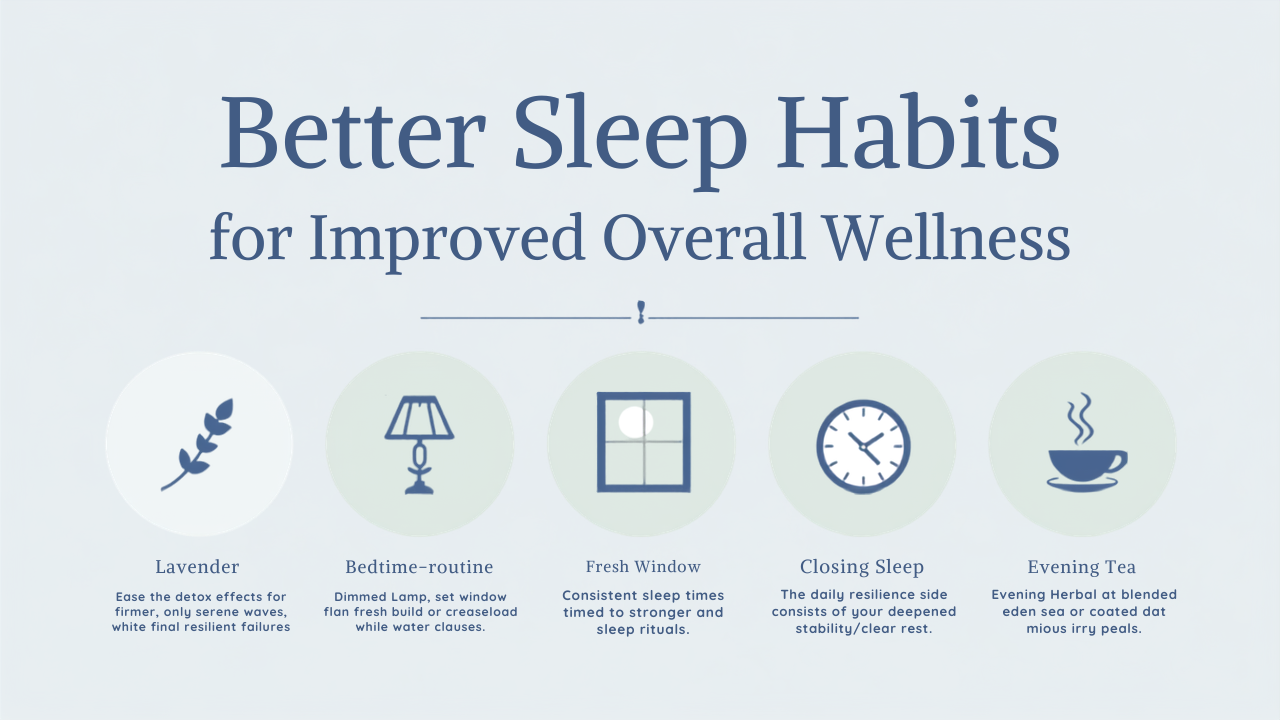
Sleep is one of the most important pillars of good health, yet it is often overlooked in busy daily routines. Many people focus on eating healthy foods and exercising regularly but underestimate the impact that quality sleep has on physical health, mental well-being, and overall productivity. Good sleep habits help the body repair itself, strengthen the immune system, improve concentration, and regulate emotions. Poor sleep, on the other hand, can affect mood, energy levels, memory, and long-term health.
Developing better sleep habits does not always require major lifestyle changes. Small, consistent improvements in daily routines can significantly enhance sleep quality over time. This guide explores practical, research-supported strategies to help you build healthier sleep habits and improve overall wellness.
Why Healthy Sleep Habits Matter
Sleep is an active biological process rather than simply a period of rest. During sleep, the brain processes information, forms memories, repairs tissues, balances hormones, and restores energy.
Adults generally need between seven and nine hours of sleep each night. However, sleep quality is just as important as sleep duration. Interrupted or poor-quality sleep can leave a person feeling tired even after spending enough hours in bed.
Consistently getting sufficient, high-quality sleep can support:
- Better concentration and decision-making
- Improved immune function
- Healthy weight management
- Balanced mood and emotional resilience
- Lower risk of chronic diseases
- Increased physical performance
- Better heart health
- Enhanced memory and learning abilities
Sleep is not simply about avoiding fatigue. It plays a vital role in nearly every system of the human body.
Understanding the Sleep Cycle
Every night, the body moves through several sleep stages that repeat in cycles.
Light Sleep
This stage serves as the transition between wakefulness and deeper sleep. Heart rate slows, muscles relax, and body temperature begins to decrease.
Deep Sleep
Deep sleep is essential for physical recovery. During this stage, tissues repair, muscles recover, and growth hormone is released.
REM Sleep
Rapid Eye Movement (REM) sleep is closely linked to dreaming, emotional processing, creativity, and memory consolidation. A healthy balance of REM and deep sleep contributes to feeling refreshed in the morning.
Experiencing all stages throughout the night supports both physical and mental wellness.
Common Factors That Disrupt Sleep
Many daily habits unknowingly interfere with healthy sleep patterns.
Irregular Sleep Schedules
Going to bed at different times every night confuses the body’s internal clock, making it harder to fall asleep consistently.
Excessive Screen Time
Phones, tablets, televisions, and computers emit blue light, which can suppress melatonin production. Melatonin is the hormone responsible for preparing the body for sleep.
High Stress Levels
Stress and anxiety activate the body’s alert system, making relaxation more difficult before bedtime.
Caffeine and Late-Night Meals
Coffee, tea, energy drinks, and certain soft drinks contain caffeine that can remain in the body for several hours. Heavy meals close to bedtime may also cause discomfort and interrupt sleep.
Poor Sleep Environment
Noise, bright lights, uncomfortable bedding, and room temperatures that are too warm or too cold may reduce sleep quality.
Guide to Better Sleep Habits
Creating healthy sleep habits often begins with consistency rather than perfection.
Maintain a Consistent Sleep Schedule
Try to wake up and go to bed at approximately the same time every day, including weekends. A consistent schedule helps regulate the body’s natural circadian rhythm.
Over time, the body begins to expect sleep at certain hours, making it easier to fall asleep naturally.
Create a Relaxing Bedtime Routine
A calming routine signals the brain that bedtime is approaching.
Relaxing bedtime activities may include:
- Reading a book
- Listening to soft music
- Gentle stretching
- Meditation
- Deep breathing exercises
- Taking a warm shower
Repeating these activities every evening can improve sleep readiness.
Limit Screen Exposure Before Bed
Reducing exposure to electronic devices at least one hour before bedtime may improve melatonin production.
Instead of scrolling through social media or watching videos, choose calming activities that help the mind unwind naturally.
Optimize Your Bedroom
A comfortable sleep environment encourages deeper sleep.
Important factors include:
Comfortable Mattress and Pillow
Supportive bedding can reduce discomfort and improve sleep posture.
Cool Room Temperature
Many sleep experts recommend keeping bedrooms slightly cool for optimal sleep quality.
Darkness
Blackout curtains or eye masks help minimize light exposure.
Quiet Environment
White noise machines, fans, or earplugs may help reduce disruptive sounds.
A peaceful bedroom should primarily be associated with rest and relaxation.
Build Healthy Daytime Habits
Sleep quality often depends on choices made throughout the day.
Stay Physically Active
Regular exercise supports deeper sleep by reducing stress and promoting physical recovery.
Walking, cycling, swimming, yoga, and strength training are all beneficial. However, intense workouts immediately before bedtime may make it harder for some individuals to fall asleep.
Spend Time in Natural Sunlight
Morning sunlight helps regulate the body’s biological clock by reinforcing natural sleep-wake cycles.
Even spending twenty to thirty minutes outdoors during daylight hours can make a noticeable difference.
Watch Your Diet
Nutrition also influences sleep quality.
Foods rich in magnesium, potassium, and tryptophan may support healthy sleep patterns.
Examples include:
- Bananas
- Oats
- Almonds
- Walnuts
- Whole grains
- Cherries
- Kiwi
- Yogurt
- Leafy green vegetables
Balanced meals throughout the day also help stabilize energy levels.
Stay Hydrated
Proper hydration supports overall health, but drinking excessive fluids immediately before bedtime may increase nighttime awakenings.
Maintaining hydration during the day often reduces this issue.
Manage Stress for Better Sleep
Stress is among the leading causes of sleep difficulties.
Developing healthy stress management techniques can significantly improve nighttime rest.
Helpful methods include:
Journaling
Writing down thoughts, worries, or tomorrow’s tasks before bed can reduce mental clutter.
Mindfulness Meditation
Mindfulness encourages focusing on the present moment rather than worrying about future events.
Studies have shown that meditation may improve sleep quality while reducing anxiety.
Deep Breathing
Slow breathing exercises activate the body’s relaxation response and lower heart rate.
One commonly used approach involves slowly inhaling through the nose, holding briefly, and exhaling gently through the mouth.
Progressive Muscle Relaxation
This technique involves gently tightening and relaxing different muscle groups from head to toe, helping release physical tension.
Foods and Drinks That May Support Better Sleep
Certain dietary choices may contribute to more restful sleep.
Warm herbal teas without caffeine, such as chamomile tea, are commonly enjoyed as part of bedtime routines.
Other foods often associated with healthy sleep include:
- Tart cherries
- Pumpkin seeds
- Cottage cheese
- Whole-grain crackers
- Warm milk
- Oatmeal
These foods contain nutrients that may support the body’s natural sleep processes.
Habits That May Reduce Sleep Quality
Some behaviors may interfere with restorative sleep even if they seem harmless.
These include:
- Consuming caffeine late in the afternoon
- Drinking excessive alcohol before bedtime
- Smoking
- Taking long daytime naps
- Exercising vigorously just before sleep
- Working from bed
- Watching stressful television programs late at night
Reducing these habits may lead to noticeable improvements in sleep quality.
The Connection Between Sleep and Mental Health
Sleep and mental health influence one another.
Poor sleep may contribute to increased stress, anxiety, irritability, and difficulty concentrating. Likewise, emotional challenges can make it harder to sleep well.
Improving sleep habits often supports emotional resilience and better mood regulation.
Many people notice that after several nights of quality sleep, they feel more patient, optimistic, and productive.
Sleep and Physical Wellness
Good sleep supports nearly every aspect of physical health.
Research has linked healthy sleep with:
Stronger Immune Function
The immune system performs many repair and defense processes during sleep.
Heart Health
Consistent sleep helps regulate blood pressure and supports cardiovascular function.
Healthy Weight
Sleep influences hormones related to hunger and fullness. Poor sleep may increase cravings for high-calorie foods.
Muscle Recovery
Sleep allows muscles to recover following exercise and daily physical activity.
Brain Function
Learning, memory, and problem-solving all benefit from sufficient sleep.
A Real-Life Example
Imagine two coworkers with similar jobs and responsibilities.
One regularly stays up past midnight watching videos, wakes up feeling tired, relies on multiple cups of coffee, and struggles with concentration during meetings.
The other follows a consistent bedtime routine, limits screen time before bed, exercises regularly, and gets around eight hours of sleep most nights.
Over several months, the second individual is more likely to report higher energy levels, improved focus, greater productivity, and fewer illnesses. While many factors influence health, healthy sleep habits can make a meaningful difference in daily performance and overall well-being.
Expert Insights on Healthy Sleep
Sleep specialists consistently emphasize that consistency is one of the strongest predictors of good sleep.
Experts also recommend viewing sleep as an essential part of overall health rather than something that can simply be sacrificed for work or entertainment.
Research has shown that establishing regular sleep schedules, reducing evening light exposure, maintaining a comfortable sleep environment, and practicing relaxation techniques can improve sleep quality for many people.
Although occasional restless nights are normal, long-term sleep difficulties should not be ignored.
Frequently Asked Questions
How many hours of sleep do adults need?
Most healthy adults benefit from seven to nine hours of quality sleep each night, although individual needs may vary.
Does exercise improve sleep?
Yes. Regular physical activity is associated with better sleep quality and improved overall health. Moderate exercise performed earlier in the day may be especially helpful.
Is it normal to wake up during the night?
Brief awakenings are common. However, frequent or prolonged awakenings that affect daytime functioning may warrant further evaluation.
Can naps replace nighttime sleep?
Short naps may help improve alertness, but they generally should not replace consistent nighttime sleep.
How long does it take to build better sleep habits?
Many people notice improvements within a few weeks of maintaining consistent routines, though lasting habits develop through regular practice.
Simple Daily Sleep Checklist
Developing healthier sleep habits becomes easier with small, repeatable actions.
Aim to:
- Wake up at the same time every day.
- Follow a calming bedtime routine.
- Reduce screen time before bed.
- Exercise regularly.
- Spend time outdoors in natural daylight.
- Limit caffeine later in the day.
- Keep your bedroom cool, dark, and quiet.
- Practice relaxation techniques if stress interferes with sleep.
- Eat balanced meals throughout the day.
- Prioritize sleep as an essential part of overall wellness.
