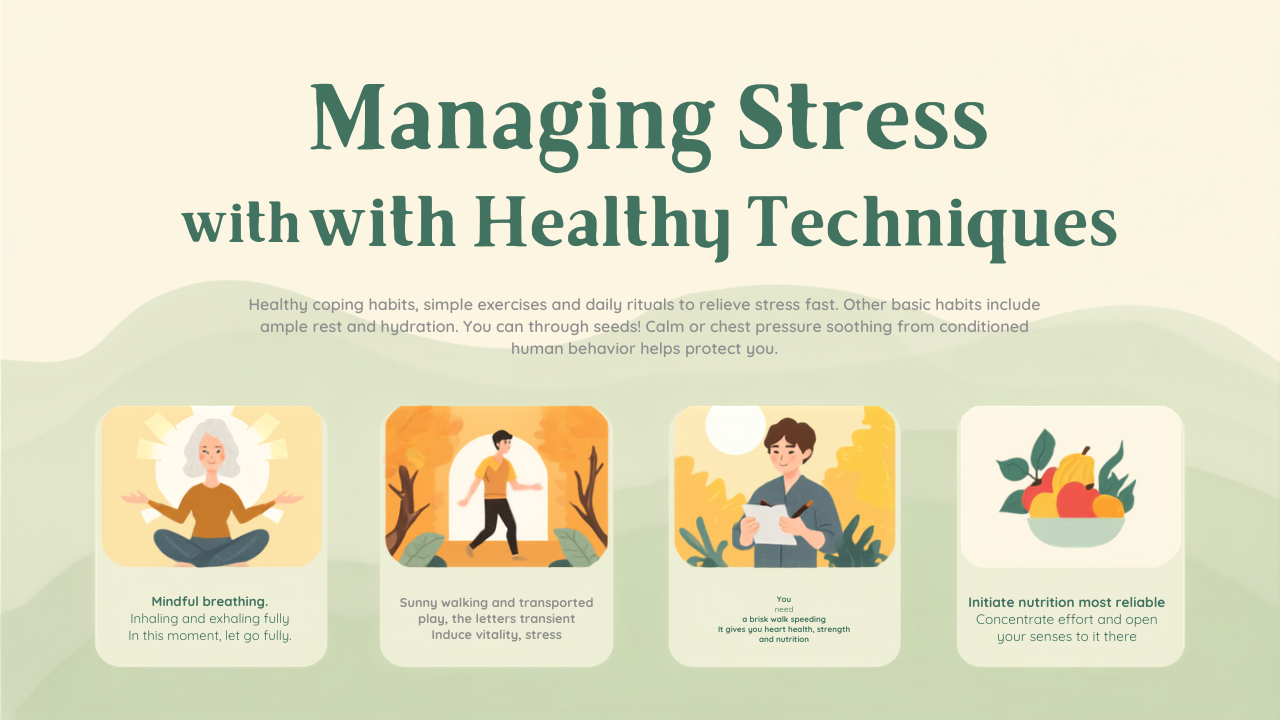
Stress affects nearly everyone at different stages of life. While occasional stress can motivate people to meet deadlines or overcome challenges, long-term or unmanaged stress may impact physical health, emotional well-being, productivity, and relationships. Learning healthy coping techniques is one of the most effective ways to reduce stress and improve quality of life.
Instead of trying to eliminate stress completely, the goal is to develop practical habits that help manage difficult situations in a balanced and positive way. By understanding how stress works and adopting healthy coping strategies, individuals can respond more calmly, think more clearly, and maintain better overall health.
Understanding Stress and Its Impact
Stress is the body’s natural response to situations that require attention or action. When faced with a challenge, the brain releases hormones such as cortisol and adrenaline, preparing the body to react quickly. This response is helpful during short-term challenges but may become harmful when stress continues for long periods.
Common sources of stress include workplace responsibilities, financial concerns, academic pressure, family obligations, health issues, and major life changes. Even positive events like starting a new job or moving to a new home can create temporary stress.
When stress remains unmanaged, it can affect multiple areas of health, including:
- Difficulty concentrating
- Trouble sleeping
- Frequent headaches
- Muscle tension
- Digestive discomfort
- Irritability
- Fatigue
- Changes in appetite
- Increased anxiety
- Reduced motivation
Research has consistently shown that chronic stress may also increase the risk of heart disease, weakened immunity, and mental health challenges. Recognizing early warning signs allows people to respond before stress becomes overwhelming.
Why Healthy Coping Techniques Matter
Everyone copes with stress differently. Some people develop healthy habits, while others may turn to unhealthy behaviors such as overeating, smoking, excessive alcohol consumption, or avoiding responsibilities.
Healthy coping techniques provide long-term benefits because they address both the physical and emotional effects of stress without creating additional health risks. Over time, these positive habits strengthen resilience, making it easier to recover from difficult situations.
People who regularly practice healthy stress management often experience:
- Better emotional balance
- Improved concentration
- Higher energy levels
- Better sleep quality
- Stronger relationships
- Greater productivity
- Improved physical health
These benefits develop gradually through consistent daily practice rather than overnight changes.
Practice Deep Breathing for Immediate Relief
One of the simplest ways to calm the body’s stress response is through controlled breathing. Slow, deep breathing helps activate the parasympathetic nervous system, which encourages relaxation.
A commonly recommended technique involves inhaling slowly through the nose for four seconds, holding the breath briefly, and exhaling gently through the mouth for six seconds. Repeating this cycle for several minutes can help lower heart rate and reduce feelings of tension.
Many people use breathing exercises before important meetings, exams, presentations, or during moments of anxiety because they require no special equipment and can be practiced almost anywhere.
Stay Physically Active
Regular physical activity is one of the most effective natural stress relievers. Exercise encourages the release of endorphins, often called the body’s natural mood boosters.
Physical activity does not always require intense workouts. Many enjoyable activities contribute to stress reduction, including:
- Walking outdoors
- Cycling
- Swimming
- Dancing
- Yoga
- Stretching
- Gardening
For example, someone working long office hours may notice improved mood after taking a 30-minute evening walk. The combination of movement, fresh air, and a short break from work often helps clear the mind.
Health experts generally recommend at least 150 minutes of moderate physical activity each week for overall health.
Build Healthy Sleep Habits
Sleep and stress are closely connected. High stress can make it difficult to sleep, while poor sleep often increases stress the following day.
Creating a consistent bedtime routine supports better sleep quality. Helpful habits include maintaining regular sleep hours, reducing screen time before bed, keeping the bedroom comfortable, and limiting caffeine during the evening.
For instance, replacing late-night phone use with reading a book or listening to calming music may help the brain prepare for restful sleep.
Quality sleep improves emotional regulation, memory, concentration, and the body’s ability to handle daily challenges.
Eat a Balanced Diet
Nutrition plays an important role in how the body responds to stress. A balanced diet provides essential nutrients that support brain function and energy levels.
Meals that include whole grains, fruits, vegetables, lean proteins, healthy fats, and adequate hydration help maintain stable energy throughout the day.
Some people skip meals during stressful periods, while others rely heavily on sugary snacks or processed foods. Although these choices may offer temporary comfort, they often lead to energy crashes and mood fluctuations.
Simple improvements such as eating regular meals, drinking enough water, and including protein with breakfast can support both physical and emotional well-being.
Practice Mindfulness Every Day
Mindfulness involves paying attention to the present moment without judgment. Rather than worrying about future problems or dwelling on past events, mindfulness encourages awareness of current thoughts, feelings, and surroundings.
Research has shown that regular mindfulness practice may reduce stress, anxiety, and emotional reactivity.
Simple mindfulness activities include:
- Paying attention to breathing
- Observing sounds during a walk
- Eating meals without distractions
- Practicing guided meditation
- Noticing physical sensations during relaxation exercises
Even five to ten minutes of mindfulness each day can gradually improve emotional resilience.
Strengthen Social Connections
Human connection is an important source of emotional support during stressful times. Talking with trusted friends, family members, mentors, or colleagues often helps people gain new perspectives and feel less isolated.
For example, someone feeling overwhelmed by work responsibilities may find comfort after discussing concerns with a supportive coworker or family member. Sometimes simply sharing feelings reduces emotional pressure.
Healthy relationships encourage encouragement, understanding, and practical problem-solving during difficult situations.
Learn Healthy Time Management
Poor time management often contributes to unnecessary stress. Feeling constantly rushed or overwhelmed can make even manageable tasks seem impossible.
Breaking large projects into smaller steps makes work feel more achievable. Prioritizing important tasks and setting realistic goals also reduce pressure.
Useful strategies include:
- Creating daily task lists
- Using calendars or planners
- Setting realistic deadlines
- Taking short breaks
- Avoiding excessive multitasking
Imagine preparing for an important examination. Studying one chapter each day is generally more manageable than attempting to learn the entire syllabus the night before.
Small, consistent progress usually leads to better outcomes than last-minute efforts.
Set Healthy Boundaries
Many people experience stress because they struggle to say no to additional responsibilities. Accepting too many commitments can reduce personal time and increase emotional exhaustion.
Healthy boundaries protect physical and mental well-being while maintaining respectful relationships.
Examples include:
- Limiting overtime when possible
- Scheduling personal relaxation time
- Reducing unnecessary commitments
- Respectfully declining additional responsibilities when already overwhelmed
Setting boundaries allows individuals to focus on priorities without feeling guilty about protecting their own health.
Spend Time in Nature
Natural environments have long been associated with stress reduction. Spending time outdoors offers a break from busy schedules and constant digital distractions.
Activities such as walking in parks, sitting near lakes, hiking, or simply spending time in a garden can promote relaxation.
Studies suggest that exposure to green spaces may help lower stress hormones, improve mood, and enhance concentration.
Even a short lunch break outdoors can provide noticeable mental refreshment.
Limit Digital Overload
Technology offers many benefits, but constant notifications, social media updates, and endless news consumption may contribute to stress.
Creating healthy technology habits helps maintain balance.
Consider:
- Turning off unnecessary notifications
- Taking regular screen breaks
- Limiting social media time
- Avoiding work emails during personal time
- Creating technology-free periods before bedtime
Reducing digital overload allows the mind more opportunities to rest and recover.
Explore Relaxation Techniques
Relaxation methods help calm both the mind and body. Different techniques work better for different individuals, so experimenting with various approaches can be helpful.
Popular relaxation methods include:
Progressive Muscle Relaxation
This technique involves gently tightening and relaxing different muscle groups throughout the body, helping release physical tension.
Guided Meditation
Listening to calming audio sessions encourages relaxation and mental focus.
Gentle Yoga
Yoga combines stretching, breathing, and mindfulness to improve flexibility while reducing stress.
Creative Activities
Drawing, painting, writing, knitting, photography, or playing music provide enjoyable outlets for emotional expression.
These activities shift attention away from stress while promoting calmness.
Recognize When Professional Support May Help
While self-care techniques are valuable, some situations require additional support. If stress becomes persistent, interferes with daily life, or leads to ongoing emotional distress, speaking with a qualified mental health professional can be beneficial.
Counselors, psychologists, therapists, and healthcare providers can help individuals develop personalized coping strategies based on their specific needs.
Seeking support is a positive step toward improving well-being and building long-term resilience.
Frequently Asked Questions
What is the healthiest way to cope with stress?
Healthy stress management often combines regular physical activity, quality sleep, balanced nutrition, mindfulness, social support, and effective time management. Consistency is more important than trying many techniques at once.
How can I reduce stress quickly?
Deep breathing, taking a short walk, stretching, listening to calming music, or practicing mindfulness for a few minutes may provide immediate relief during stressful moments.
Can stress affect physical health?
Yes. Long-term stress may contribute to headaches, digestive problems, sleep disturbances, muscle tension, high blood pressure, weakened immunity, and increased risk of chronic health conditions.
How long does it take to build healthy coping habits?
The timeline varies for each person. Many individuals notice small improvements within a few weeks of consistent practice, while long-term resilience develops through regular healthy habits over months.
Managing stress is an ongoing process rather than a one-time solution. Every individual experiences challenges differently, but healthy coping techniques provide practical ways to navigate life’s demands with greater confidence and emotional balance. Small daily actions such as staying active, practicing mindfulness, maintaining healthy relationships, getting enough sleep, and setting realistic boundaries can significantly improve overall well-being over time. By focusing on sustainable habits instead of quick fixes, people can strengthen resilience, improve physical and mental health, and build a healthier response to stress that supports long-term personal and emotional wellness.
