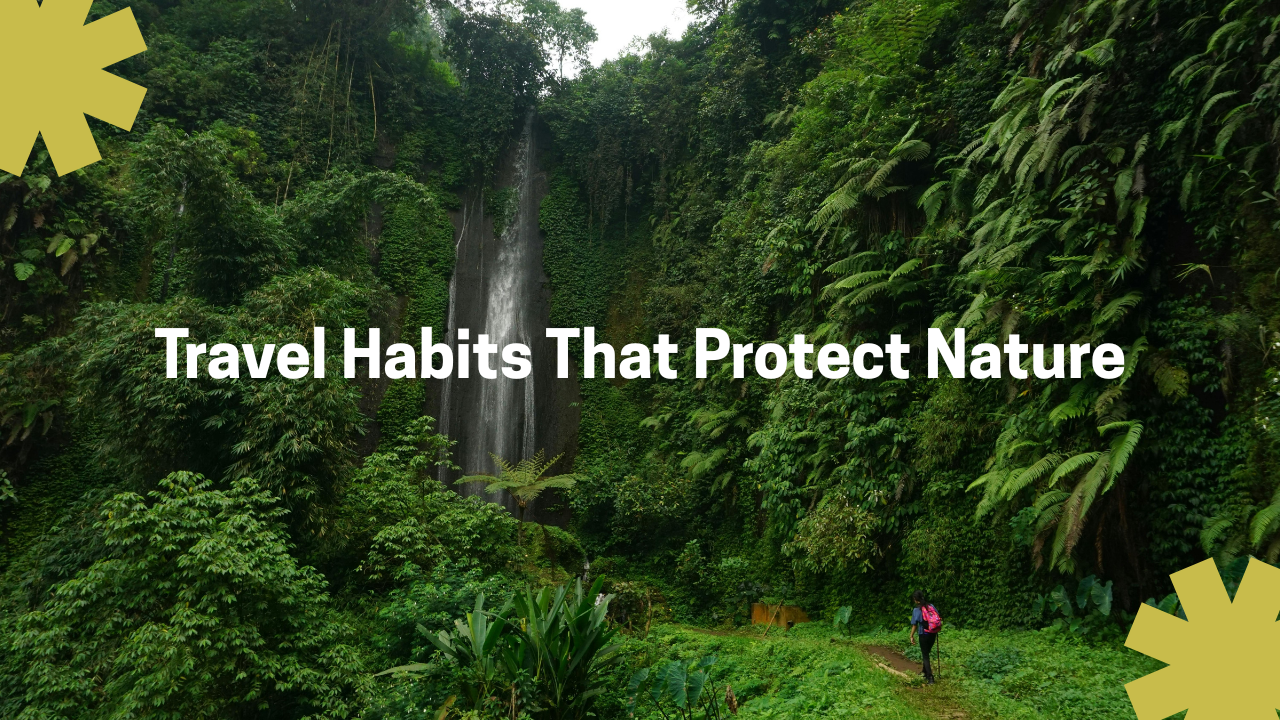
Travel opens the door to unforgettable experiences, new cultures, and breathtaking landscapes. However, as global tourism continues to grow, so does its impact on the environment. Popular destinations often struggle with overcrowding, pollution, habitat destruction, and excessive waste. Fortunately, every traveler has the power to make choices that reduce these negative effects while still enjoying meaningful adventures.
Sustainable travel is not about giving up comfort or avoiding travel altogether. Instead, it focuses on making thoughtful decisions that protect natural ecosystems, support local communities, and preserve destinations for future generations. Whether you’re planning a weekend getaway or an international vacation, adopting eco-friendly habits can make a significant difference.
In this guide, you’ll discover practical sustainable travel habits that help protect nature while enhancing your overall travel experience.
What Is Sustainable Travel?
Sustainable travel refers to tourism practices that minimize environmental harm while benefiting local communities and respecting cultural heritage. It encourages travelers to reduce their ecological footprint through responsible choices before, during, and after their trips.
Rather than focusing only on environmental protection, sustainable travel also promotes social and economic sustainability by supporting local businesses, preserving traditions, and encouraging ethical tourism.
The three main pillars of sustainable travel include:
- Environmental conservation
- Social responsibility
- Economic support for local communities
Together, these principles help create tourism that benefits both travelers and destinations.
Why Sustainable Travel Matters
The tourism industry contributes significantly to global economic growth, but it also places pressure on ecosystems. Increased visitor numbers can lead to:
- Plastic pollution
- Water shortages
- Wildlife disturbance
- Carbon emissions
- Damage to coral reefs
- Forest degradation
- Habitat loss
Simple travel choices can collectively reduce these impacts. Sustainable travelers help preserve biodiversity while ensuring future generations can enjoy the same destinations.
Choose Eco-Friendly Transportation
Transportation often represents the largest environmental impact of any trip.
Walk Whenever Possible
Walking allows travelers to:
- Reduce carbon emissions
- Discover hidden attractions
- Support neighborhood businesses
- Enjoy healthier travel experiences
Many historic cities are designed for walking, making this one of the easiest sustainable habits.
Use Public Transportation
Buses, trains, subways, and trams produce fewer emissions per passenger than private vehicles.
Benefits include:
- Lower fuel consumption
- Reduced traffic congestion
- Lower travel costs
- Authentic local experiences
Consider Cycling
Many destinations now offer bike-sharing programs and cycling trails.
Cycling provides:
- Zero-emission transportation
- Better sightseeing opportunities
- Physical activity
- Minimal environmental impact
Fly Less When Practical
Air travel contributes substantially to greenhouse gas emissions.
If possible:
- Choose direct flights
- Combine multiple destinations into one trip
- Stay longer instead of taking frequent short vacations
These strategies reduce the overall carbon footprint of travel.
Pack Light and Travel Smart
Packing may seem unrelated to sustainability, but luggage weight affects transportation fuel consumption.
Smart packing includes:
- Bringing reusable shopping bags
- Carrying refillable water bottles
- Using reusable coffee cups
- Packing cloth napkins
- Bringing reusable utensils
These simple items reduce disposable waste throughout the journey.
Choose Eco-Friendly Toiletries
Many hotels generate large amounts of plastic waste from travel-sized products.
Instead, pack:
- Solid shampoo bars
- Bar soap
- Bamboo toothbrushes
- Refillable containers
- Reef-safe sunscreen
These alternatives reduce plastic pollution while lasting longer.
Reduce Single-Use Plastic
Plastic waste is one of the largest environmental challenges facing tourism.
Common disposable items include:
- Water bottles
- Plastic bags
- Straws
- Disposable cutlery
- Coffee cups
Replacing these with reusable alternatives significantly reduces waste during travel.
Many airports, hotels, and tourist attractions now provide refill stations, making reusable bottles more practical than ever.
Stay in Environmentally Responsible Accommodations
Accommodation choices influence energy consumption, waste production, and water usage.
Look for hotels or lodges that:
- Use renewable energy
- Recycle waste
- Reduce water consumption
- Eliminate unnecessary plastics
- Support local conservation programs
Many eco-conscious accommodations also educate guests about protecting nearby ecosystems.
Respect Wildlife
Wildlife tourism can either help conservation or contribute to animal suffering.
Responsible wildlife experiences include:
- Observing animals from a safe distance
- Avoiding physical interaction
- Never feeding wild animals
- Following park regulations
- Choosing ethical wildlife tours
Avoid attractions involving:
- Animal performances
- Unnecessary handling
- Riding wild animals
- Unsafe photo opportunities
Respecting wildlife helps preserve natural behaviors and ecosystems.
Stay on Marked Trails
When hiking or exploring natural areas, staying on designated paths protects fragile vegetation and reduces soil erosion.
Off-trail walking can:
- Damage plant life
- Disturb nesting areas
- Increase erosion
- Harm delicate ecosystems
Following marked trails helps preserve landscapes for future visitors.
Practice Leave No Trace Principles
One of the most effective sustainable travel habits is leaving every destination exactly as you found it.
Basic Leave No Trace practices include:
- Carry out all trash
- Avoid picking plants
- Leave rocks and shells where they belong
- Respect wildlife habitats
- Minimize campfire impacts
- Keep noise levels low
Even small actions contribute to healthier ecosystems.
Support Local Communities
Sustainable travel extends beyond environmental protection.
Supporting local economies strengthens communities that rely on tourism.
Consider:
- Eating at locally owned restaurants
- Shopping from local artisans
- Hiring local guides
- Staying in locally operated accommodations
Money spent locally often has a greater positive impact on community development than spending with large international chains.
Buy Authentic Local Products
Purchasing handmade crafts helps preserve traditional skills while providing income for local families.
Look for:
- Handmade textiles
- Traditional artwork
- Local food products
- Regionally crafted souvenirs
Avoid products made from endangered wildlife or protected natural materials.
Conserve Water During Travel
Many popular destinations experience seasonal water shortages.
Simple conservation habits include:
- Taking shorter showers
- Reusing towels
- Turning off taps while brushing teeth
- Reporting leaks
- Avoiding unnecessary laundry
Small efforts become significant when multiplied across thousands of travelers.
Save Energy While Staying in Hotels
Hotels consume large amounts of electricity through heating, cooling, and lighting.
Travelers can help by:
- Turning off lights before leaving
- Switching off air conditioning when unnecessary
- Unplugging chargers
- Closing windows while cooling rooms
These habits reduce overall energy consumption without sacrificing comfort.
Eat More Sustainable Meals
Food choices also influence environmental sustainability.
Many experts recommend incorporating more plant-based meals during travel because they generally require fewer natural resources than resource-intensive food production.
Explore local markets and seasonal ingredients whenever possible.
Benefits include:
- Fresher meals
- Lower transportation emissions
- Support for local farmers
- Better cultural experiences
Trying regional cuisine often becomes one of the most memorable parts of travel.
Travel During Off-Peak Seasons
Overtourism places enormous pressure on natural attractions.
Traveling during less crowded seasons helps:
- Reduce overcrowding
- Lower environmental stress
- Improve visitor experiences
- Support year-round local employment
Popular destinations often become more enjoyable when visited outside peak travel periods.
Respect Local Culture
Protecting nature also means respecting the people who live nearby.
Responsible cultural habits include:
Learn Local Customs
Understanding traditions before arrival demonstrates respect and encourages positive interactions.
Research:
- Appropriate clothing
- Local greetings
- Religious customs
- Photography etiquette
Follow Protected Area Rules
National parks and protected reserves establish regulations for conservation.
Always:
- Obey posted signs
- Stay within designated areas
- Avoid disturbing wildlife
- Follow ranger instructions
These rules exist to protect vulnerable ecosystems.
Reduce Digital Waste While Traveling
Although often overlooked, digital activities consume energy through data centers and network infrastructure.
Simple practices include:
- Downloading maps before traveling
- Using offline travel guides
- Limiting unnecessary cloud uploads
- Keeping devices charged efficiently
While individual impacts are small, collective digital efficiency contributes to lower energy demand.
Participate in Conservation Activities
Many destinations offer opportunities to contribute directly to environmental protection.
Examples include:
- Beach cleanups
- Tree planting events
- Wildlife conservation programs
- Community environmental projects
Participating responsibly can create meaningful connections with local communities while supporting conservation efforts.
Avoid Overtourism Hotspots
Some destinations receive millions of visitors annually, placing tremendous strain on natural resources.
Instead of only visiting famous attractions, consider nearby lesser-known locations.
Benefits include:
- Reduced crowding
- More authentic experiences
- Better support for local economies
- Less environmental pressure
Exploring alternative destinations often leads to unique discoveries.
Choose Responsible Tour Operators
Tour companies influence environmental practices through transportation, accommodation, and activity planning.
Responsible operators often:
- Employ local guides
- Limit group sizes
- Support conservation initiatives
- Educate travelers about ecosystems
- Follow ethical wildlife guidelines
Reading reviews and sustainability policies before booking helps identify responsible providers.
Protect Marine Ecosystems
Ocean environments are especially vulnerable to tourism.
When visiting beaches or coral reefs:
- Avoid touching coral
- Do not collect shells or marine life
- Dispose of waste properly
- Use reef-safe sunscreen
- Never litter in the ocean
Healthy marine ecosystems support biodiversity and coastal communities worldwide.
Educate Yourself Before Traveling
Learning about a destination before arrival leads to more responsible decisions.
Research topics such as:
- Local wildlife
- Environmental challenges
- Conservation efforts
- Protected areas
- Cultural traditions
Knowledge helps travelers make informed choices throughout their journey.
Encourage Sustainable Travel Among Friends
Positive habits spread through example.
Sharing sustainable travel experiences can inspire others to:
- Pack reusable items
- Respect wildlife
- Support local businesses
- Reduce waste
- Travel responsibly
Collective action creates a greater environmental impact than individual efforts alone.
Common Myths About Sustainable Travel
Sustainable Travel Is Expensive
Many sustainable choices actually save money.
Examples include:
- Walking instead of taxis
- Carrying refillable bottles
- Using public transportation
- Shopping locally
These habits often reduce travel expenses.
Sustainable Travel Means Giving Up Comfort
Responsible travel does not require sacrificing enjoyable experiences.
Many eco-friendly accommodations provide modern amenities while reducing environmental impact through efficient design and responsible resource management.
Individual Actions Do Not Matter
Every traveler contributes to overall tourism demand.
Millions of people making small improvements collectively reduce waste, emissions, and environmental damage.
Frequently Asked Questions
What is the easiest sustainable travel habit to start with?
Carrying a reusable water bottle, avoiding single-use plastics, and respecting local wildlife are among the simplest habits that make an immediate positive impact.
Does sustainable travel cost more?
Not necessarily. Walking, using public transportation, staying longer, and supporting local businesses can often reduce travel expenses.
Why is responsible wildlife tourism important?
Ethical wildlife tourism protects animals from stress, exploitation, and habitat disruption while supporting conservation efforts.
Can sustainable travel improve local communities?
Yes. Choosing locally owned accommodations, restaurants, and tour operators helps generate income for residents while preserving cultural traditions.
Sustainable travel is about making thoughtful choices that protect the places we love to explore. Every reusable bottle, every walk instead of a taxi ride, every respectful wildlife encounter, and every purchase from a local business contributes to healthier ecosystems and stronger communities.
Travel has the power to create unforgettable memories while encouraging a deeper appreciation for nature and culture. By adopting sustainable travel habits, individuals can reduce their environmental footprint without sacrificing adventure or comfort. As more travelers embrace responsible tourism, destinations around the world gain a better chance of remaining vibrant, diverse, and welcoming for generations to come. Thoughtful travel is not simply about where we go—it is about how we choose to experience and care for the world along the way.
