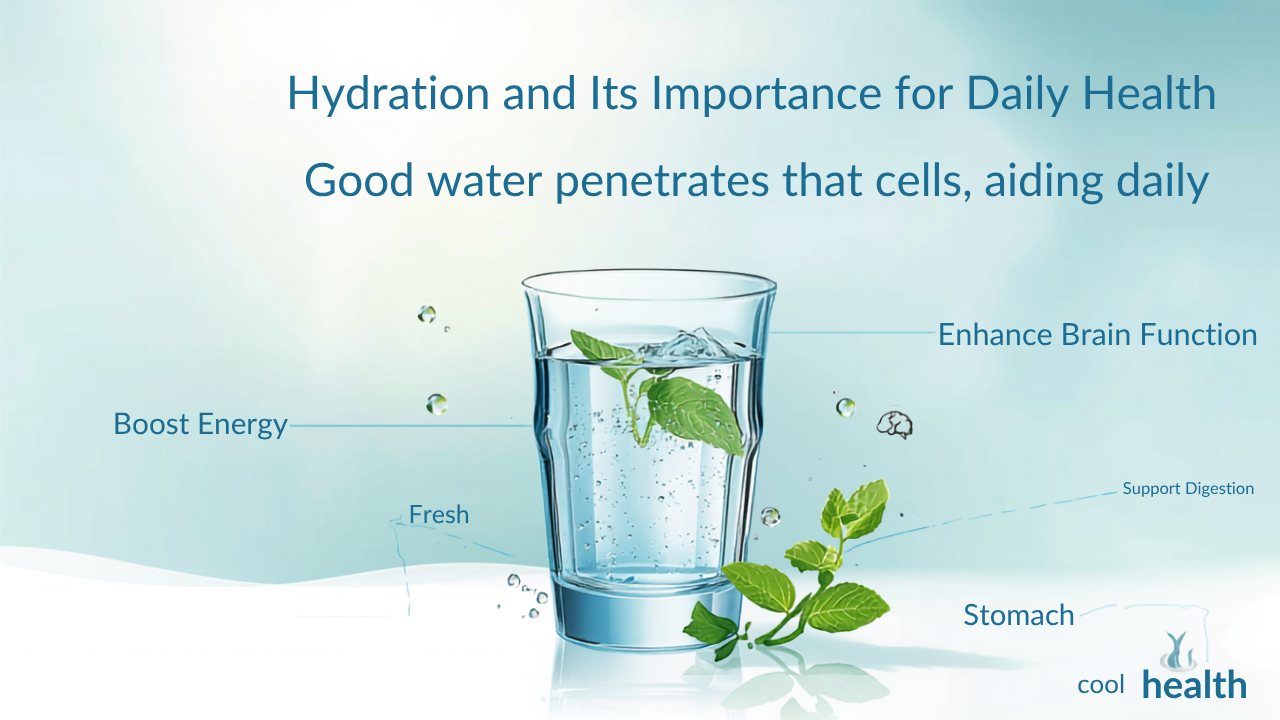
Water is often called the foundation of good health, and for good reason. The human body is made up of approximately 60% water, with every organ, tissue, and cell relying on it to function efficiently. Whether you are working at a desk, exercising, studying, or simply going about your daily routine, proper hydration supports countless biological processes that keep your body running smoothly.
Despite its importance, many people do not drink enough water throughout the day. Busy schedules, changing weather conditions, and reliance on sugary beverages often result in inadequate hydration. Even mild dehydration can affect energy levels, mood, concentration, and physical performance.
Understanding hydration is not just about drinking more water. It is about maintaining the right balance of fluids throughout the day while considering your lifestyle, activity level, diet, and environment. Developing healthy hydration habits can improve overall well-being and support long-term health.
What Is Hydration?
Hydration refers to maintaining the body’s optimal fluid balance. Every day, the body loses water through breathing, sweating, urination, and digestion. These losses must be replaced through drinking fluids and consuming water-rich foods.
Water serves numerous essential functions, including transporting nutrients, removing waste, cushioning joints, regulating body temperature, and supporting normal cellular activities. Without enough fluids, these processes become less efficient, affecting both physical and mental performance.
Hydration is not limited to drinking plain water. Milk, herbal teas, soups, fruits, and vegetables also contribute to daily fluid intake. However, water remains the healthiest and most effective choice for meeting hydration needs.
Why Hydration Matters for Daily Health
Hydration influences nearly every aspect of daily health. Even slight fluid loss can have noticeable effects on how you feel and perform throughout the day.
Supports Physical Performance
Water helps muscles work efficiently during movement and exercise. When the body loses fluids through sweat, dehydration can reduce endurance, increase fatigue, and make physical activities feel more challenging.
Athletes and individuals with physically demanding jobs often need additional fluids to replace sweat losses and maintain peak performance.
Maintains Healthy Brain Function
The brain depends on adequate hydration for normal functioning. Research suggests that mild dehydration can reduce concentration, memory, alertness, and mood.
For example, a student preparing for an important examination may find it harder to focus after several hours without drinking water. Simply rehydrating may help improve attention and mental clarity.
Regulates Body Temperature
Sweating is the body’s natural cooling mechanism. During hot weather or exercise, water helps regulate internal temperature by allowing sweat to evaporate from the skin.
Without enough fluids, the body struggles to cool itself effectively, increasing the risk of overheating.
Supports Healthy Digestion
Water plays an important role in digestion by helping break down food and move it through the digestive tract. Adequate hydration also supports regular bowel movements and may reduce the likelihood of constipation.
Many people notice improved digestive comfort after increasing their daily water intake alongside a balanced diet rich in fiber.
Promotes Healthy Kidneys
The kidneys filter waste products from the bloodstream and remove them through urine. Proper hydration helps these organs function efficiently while supporting normal urinary health.
Drinking enough fluids also helps maintain healthy urine concentration, reducing strain on the kidneys during everyday function.
Keeps Skin Healthy
Although hydration alone does not prevent all skin concerns, maintaining adequate fluid intake supports skin elasticity and overall appearance. Well-hydrated skin often looks healthier and feels more comfortable.
Combined with proper skincare and nutrition, hydration contributes to maintaining the skin’s natural barrier.
How Much Water Do You Need?
There is no single amount of water that suits everyone. Daily fluid needs vary depending on several factors, including:
Age
Children, adults, and older individuals have different hydration requirements due to differences in body composition and activity.
Physical Activity
Exercise increases fluid loss through sweating. People who exercise regularly typically require more fluids before, during, and after activity.
Climate
Hot and humid environments increase sweating, making additional fluid intake necessary.
Health Conditions
Illnesses involving fever, vomiting, or diarrhea can significantly increase fluid requirements.
Pregnancy and Breastfeeding
Women who are pregnant or breastfeeding generally need more fluids to support both maternal and infant health.
A practical approach is to drink water consistently throughout the day rather than waiting until you feel extremely thirsty.
Common Signs of Dehydration
Recognizing early signs of dehydration allows you to restore fluid balance before symptoms become more severe.
Common signs include:
- Increased thirst
- Dry mouth
- Dark yellow urine
- Headache
- Fatigue
- Dizziness
- Reduced concentration
- Dry skin
- Muscle cramps
- Decreased urine output
Severe dehydration requires prompt medical attention, especially if accompanied by confusion, rapid heartbeat, fainting, or inability to keep fluids down.
Foods That Help Keep You Hydrated
Many fruits and vegetables contain high amounts of water while also providing vitamins, minerals, and fiber.
Excellent hydrating foods include:
Watermelon
Containing over 90% water, watermelon is refreshing during warm weather and provides vitamin C and antioxidants.
Cucumber
Cucumbers have a very high water content and are easy to include in salads, sandwiches, or healthy snacks.
Oranges
Oranges provide water along with vitamin C, potassium, and natural sugars for energy.
Strawberries
These colorful berries contribute fluids while offering antioxidants and fiber.
Tomatoes
Tomatoes add hydration to meals while supplying vitamins A and C.
Lettuce
Leafy greens contain substantial amounts of water and work well in salads and wraps.
Soups
Broth-based soups contribute to hydration while delivering nutrients, especially during colder months.
Everyday Habits That Improve Hydration
Building simple habits makes staying hydrated much easier.
Start the Day with Water
Drinking a glass of water after waking helps replace fluids lost overnight and supports your morning routine.
Carry a Reusable Water Bottle
Keeping water nearby serves as a constant reminder to drink throughout the day.
Many office workers find they naturally increase water intake when a refillable bottle is within reach.
Drink Before Feeling Very Thirsty
Thirst often appears after mild dehydration has already begun. Drinking small amounts regularly helps maintain consistent hydration.
Include Water with Meals
Having water during breakfast, lunch, and dinner makes hydration part of your normal eating routine.
Eat More Water-Rich Foods
Adding fruits, vegetables, and soups to meals supports fluid intake without requiring major lifestyle changes.
Monitor Urine Color
Light yellow urine generally indicates good hydration, while darker urine may suggest the need for additional fluids.
Hydration During Exercise
Exercise increases water loss through sweat, making hydration especially important before, during, and after physical activity.
For moderate exercise, drinking water before starting and replacing fluids afterward is often sufficient.
Long-duration or high-intensity exercise may require beverages containing electrolytes to replace sodium and other minerals lost through sweating.
Listening to your body’s signals while planning fluid intake helps support safe and effective workouts.
Common Myths About Hydration
Myth 1: Everyone Must Drink Exactly Eight Glasses of Water Daily
Fluid needs vary based on body size, activity, environment, and health. Some individuals naturally require more or less than eight glasses.
Myth 2: Only Water Counts
Many beverages and water-rich foods contribute to hydration. However, plain water remains the healthiest primary choice.
Myth 3: Coffee Always Causes Dehydration
Moderate coffee consumption contributes to daily fluid intake despite its mild diuretic effect.
Myth 4: You Only Need Water When Exercising
The body requires consistent hydration throughout the entire day, regardless of physical activity.
Hydration Across Different Stages of Life
Children
Children may become dehydrated more quickly because they are often active and may forget to drink water while playing. Encouraging regular water breaks supports healthy growth and development.
Adults
Busy work schedules often lead adults to ignore thirst. Setting reminders or keeping water visible helps maintain regular intake.
Older Adults
As people age, their sense of thirst may decrease. Drinking water consistently becomes even more important for maintaining overall health.
Real Life Example
Imagine two coworkers beginning the same workday. One drinks water regularly from morning until evening, while the other relies mostly on coffee and forgets to drink water until late afternoon.
By mid-afternoon, the first person feels focused, productive, and energetic. The second experiences headaches, difficulty concentrating, and fatigue. After drinking water, those symptoms gradually improve.
This everyday example illustrates how even mild dehydration can influence daily performance and overall comfort.
Expert Insights on Healthy Hydration
Health professionals consistently emphasize that hydration should become a regular daily habit rather than an occasional effort. Nutrition experts recommend drinking fluids steadily throughout the day instead of consuming large amounts all at once.
Researchers also note that hydration works best alongside balanced nutrition, regular physical activity, adequate sleep, and healthy lifestyle habits. Together, these factors support optimal physical and mental well-being.
Frequently Asked Questions
What is the healthiest drink for hydration?
Plain water is generally considered the healthiest option because it hydrates without added sugars or calories.
Can fruits replace drinking water?
Water-rich fruits contribute to hydration but should complement rather than replace regular water intake.
Is thirst always a reliable indicator?
Not always. Some people, particularly older adults, may not feel thirsty until mild dehydration has already developed.
Does hydration improve energy?
Adequate hydration supports normal physical and mental function, helping reduce fatigue associated with dehydration.
Can drinking too much water be harmful?
Yes. Excessive water intake in a short period can disrupt the body’s electrolyte balance. Drinking according to your body’s needs is generally the best approach.
Hydration is one of the simplest yet most effective ways to support daily health. Every organ in the body depends on water to function properly, making adequate fluid intake essential for physical performance, mental clarity, digestion, temperature regulation, and overall well-being.
Rather than viewing hydration as an occasional task, it is helpful to make it part of your everyday routine. Drinking water regularly, eating water-rich foods, paying attention to thirst, and adjusting fluid intake based on activity and weather can make a meaningful difference over time.
Small, consistent habits often produce lasting benefits. By understanding the importance of hydration and making informed choices each day, you can support your body’s natural functions and contribute to better health now and in the future.
