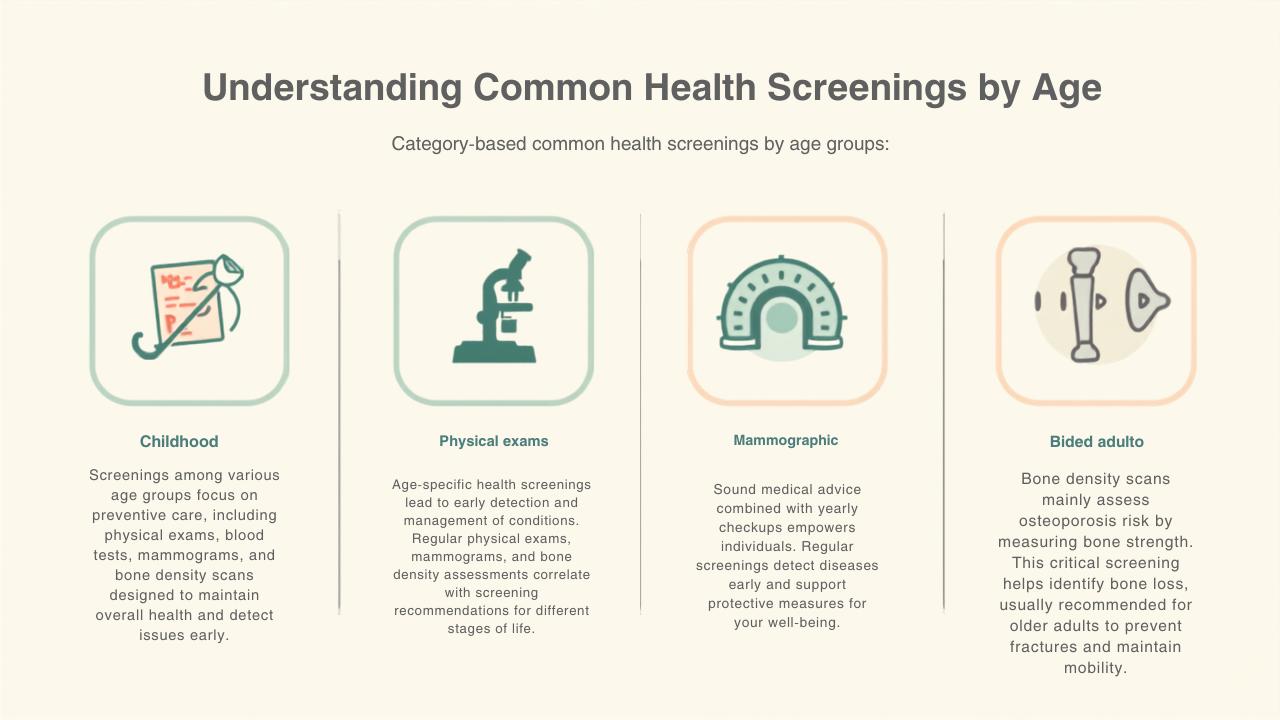
Preventive healthcare is one of the most effective ways to protect long-term well-being. While many people visit a healthcare provider only when they feel unwell, regular health screenings focus on identifying potential health problems before symptoms develop. Early detection often allows conditions to be managed more effectively and may reduce the likelihood of serious complications.
Health screening recommendations vary depending on age, medical history, family history, lifestyle, and other individual risk factors. Understanding which screenings are commonly recommended during different stages of life helps individuals take an active role in managing their health. This guide explains common health screenings by age, why they matter, and how they contribute to overall wellness.
Why Health Screenings Are Important
Health screenings are preventive tests designed to detect diseases or risk factors before noticeable symptoms appear. Many common conditions, including high blood pressure, diabetes, high cholesterol, and several forms of cancer, can develop gradually without obvious warning signs.
Routine screenings help healthcare providers:
- Detect diseases at an earlier stage.
- Monitor changes in overall health.
- Identify risk factors for chronic illnesses.
- Recommend lifestyle improvements.
- Support personalized healthcare decisions.
- Track existing health conditions over time.
Preventive screening also encourages regular conversations between patients and healthcare professionals, helping individuals better understand their health needs throughout life.
Common Health Screenings During Your 20s
The twenties are often associated with good health, but this decade provides an excellent opportunity to establish preventive healthcare habits.
Blood Pressure Screening
High blood pressure can develop without noticeable symptoms. Regular blood pressure checks help identify hypertension early and support healthy cardiovascular function.
Body Mass Index and Weight Assessment
Monitoring body weight, waist circumference, and body mass index helps evaluate potential risks associated with obesity, diabetes, and heart disease.
Cholesterol Testing
Individuals with certain risk factors, including family history, obesity, smoking, or diabetes, may benefit from cholesterol screening earlier than others.
Diabetes Risk Assessment
Blood glucose testing may be recommended for people with increased risk factors, including excess weight, family history, or metabolic conditions.
Mental Health Screening
Mental well-being is an important component of overall health. Healthcare providers may screen for anxiety, depression, stress, and other mental health concerns during routine checkups.
Sexual and Reproductive Health Screenings
Depending on individual circumstances, healthcare providers may recommend screenings for sexually transmitted infections, cervical health, or reproductive wellness.
For example, a healthy 24-year-old with no symptoms may still discover elevated blood pressure during a routine checkup. Early identification allows lifestyle changes before long-term complications develop.
Recommended Health Screenings in Your 30s
During the thirties, many people balance careers, family responsibilities, and increasingly busy lifestyles. Preventive healthcare becomes even more valuable.
Blood Pressure and Cholesterol Monitoring
Routine cardiovascular screening continues to help identify risk factors associated with heart disease.
Blood Sugar Testing
Healthcare providers may recommend periodic blood glucose testing, particularly for individuals with family history or other diabetes risk factors.
Eye Examinations
Regular vision assessments can identify refractive changes, glaucoma risk, and other eye conditions.
Skin Examinations
Skin checks help identify unusual moles or changes that may require further medical evaluation. Individuals with significant sun exposure may benefit from more frequent examinations.
Dental Checkups
Oral health contributes to overall health. Regular dental visits help identify gum disease, cavities, and other dental concerns that may affect general well-being.
Many individuals in their thirties feel healthy but may already have silent risk factors that benefit from early intervention.
Essential Health Screenings in Your 40s
The forties often represent an important turning point in preventive healthcare because several chronic conditions become more common.
Comprehensive Cardiovascular Screening
Healthcare providers often monitor:
- Blood pressure
- Cholesterol
- Blood sugar
- Weight
- Heart disease risk factors
These assessments help evaluate long-term cardiovascular health.
Diabetes Screening
Routine diabetes screening becomes increasingly important, especially for individuals with obesity, sedentary lifestyles, or family history.
Vision and Hearing Tests
Age-related changes in vision and hearing may gradually develop without immediate recognition.
Cancer Screenings
Depending on personal risk factors and healthcare recommendations, certain cancer screenings may begin during this decade.
Examples include:
- Breast health assessments
- Cervical cancer screening
- Colorectal cancer screening for eligible individuals
- Prostate health discussions when appropriate
Healthcare providers determine appropriate screening schedules based on current clinical guidelines and individual health history.
Important Health Screenings in Your 50s
Preventive care becomes even more comprehensive during the fifties because age-related health risks continue to increase.
Colorectal Cancer Screening
Routine colorectal cancer screening is commonly recommended beginning around this age for many adults, although some individuals may begin earlier depending on personal risk.
Several screening methods are available, and healthcare providers recommend the most appropriate option based on individual circumstances.
Bone Health Assessment
Bone density testing may be recommended for individuals with osteoporosis risk factors.
Bone health becomes especially important for postmenopausal women and older adults at increased fracture risk.
Heart Health Evaluation
Comprehensive cardiovascular assessments often include:
- Blood pressure monitoring
- Lipid profile
- Diabetes screening
- Weight management
- Lifestyle assessment
Vaccination Review
Preventive healthcare also includes reviewing recommended immunizations that help protect against age-related infectious diseases.
Health Screenings in Your 60s and Beyond
Older adults benefit from regular preventive evaluations that support independence and healthy aging.
Osteoporosis Screening
Bone density testing helps identify reduced bone strength and fracture risk.
Hearing Assessments
Gradual hearing loss is common with age and may affect communication, balance, and quality of life.
Vision Screening
Eye examinations help detect conditions such as cataracts, glaucoma, and age-related macular changes.
Cognitive Health Evaluation
Healthcare providers may assess memory, thinking abilities, and overall cognitive function if concerns arise during routine visits.
Fall Risk Assessment
Balance, mobility, muscle strength, and home safety evaluations help reduce fall-related injuries among older adults.
Ongoing Cancer Screenings
Healthcare providers continue recommending certain cancer screenings based on age, previous results, overall health, and expected benefits.
Health Screenings Based on Individual Risk Factors
Age is only one factor that determines recommended screenings.
Healthcare providers also consider:
Family History
A strong family history of conditions such as heart disease, diabetes, breast cancer, or colorectal cancer may lead to earlier or more frequent screening.
Lifestyle Factors
Smoking, excessive alcohol consumption, poor nutrition, physical inactivity, and chronic stress may increase health risks.
Existing Medical Conditions
Individuals living with hypertension, diabetes, obesity, kidney disease, or autoimmune disorders often require closer monitoring.
Occupational and Environmental Exposure
Certain occupations expose workers to chemicals, dust, radiation, or excessive noise that may require additional health monitoring.
Personalized screening plans ensure individuals receive preventive care appropriate for their unique health profile.
Lifestyle Habits That Support Better Screening Results
Health screenings work best when combined with healthy daily habits.
Positive lifestyle choices include:
- Eating a balanced diet rich in fruits, vegetables, whole grains, and lean proteins.
- Engaging in regular physical activity.
- Maintaining a healthy body weight.
- Getting sufficient sleep.
- Managing stress effectively.
- Avoiding tobacco products.
- Limiting alcohol consumption.
- Following recommended vaccination schedules.
- Attending routine medical and dental appointments.
Preventive care combines regular screenings with healthy lifestyle practices to support overall wellness.
Questions to Ask During a Health Screening Appointment
Preparing questions before an appointment helps individuals better understand their health.
Consider asking:
Which Screenings Are Recommended for My Age?
Healthcare providers can explain which preventive tests are appropriate based on age and personal health history.
How Often Should I Be Screened?
Screening intervals vary depending on age, previous test results, and individual risk factors.
Are There Lifestyle Changes That Can Lower My Risk?
Healthcare professionals often recommend nutrition, exercise, weight management, or other lifestyle modifications that complement screening results.
Should My Family History Affect My Screening Schedule?
Family medical history may influence when certain screenings begin and how frequently they should be performed.
These conversations encourage informed decision-making and strengthen preventive healthcare planning.
Common Myths About Health Screenings
Several misconceptions discourage people from participating in preventive healthcare.
Myth: I Feel Healthy, So I Don’t Need Screenings
Many chronic diseases develop without noticeable symptoms. Screenings help identify silent health conditions before they become more serious.
Myth: Health Screenings Are Only for Older Adults
Preventive care begins in early adulthood. Blood pressure, cholesterol, mental health, and reproductive health screenings are valuable for younger individuals as well.
Myth: Every Person Needs the Same Tests
Screening recommendations vary based on age, medical history, family history, lifestyle, and healthcare provider guidance.
Understanding these facts encourages individuals to approach preventive care with confidence rather than uncertainty.
The Role of Preventive Healthcare Throughout Life
Health screenings are one part of a broader preventive healthcare strategy that includes healthy living, routine medical visits, vaccinations, and informed health decisions. Each stage of life brings different priorities, making age-appropriate screenings an essential component of maintaining overall health. Regular assessments help identify potential concerns early, support timely medical care, and provide valuable information about long-term wellness. By working closely with healthcare professionals and following recommended screening schedules based on personal risk factors, individuals can make informed choices that contribute to healthier aging and improved quality of life.
