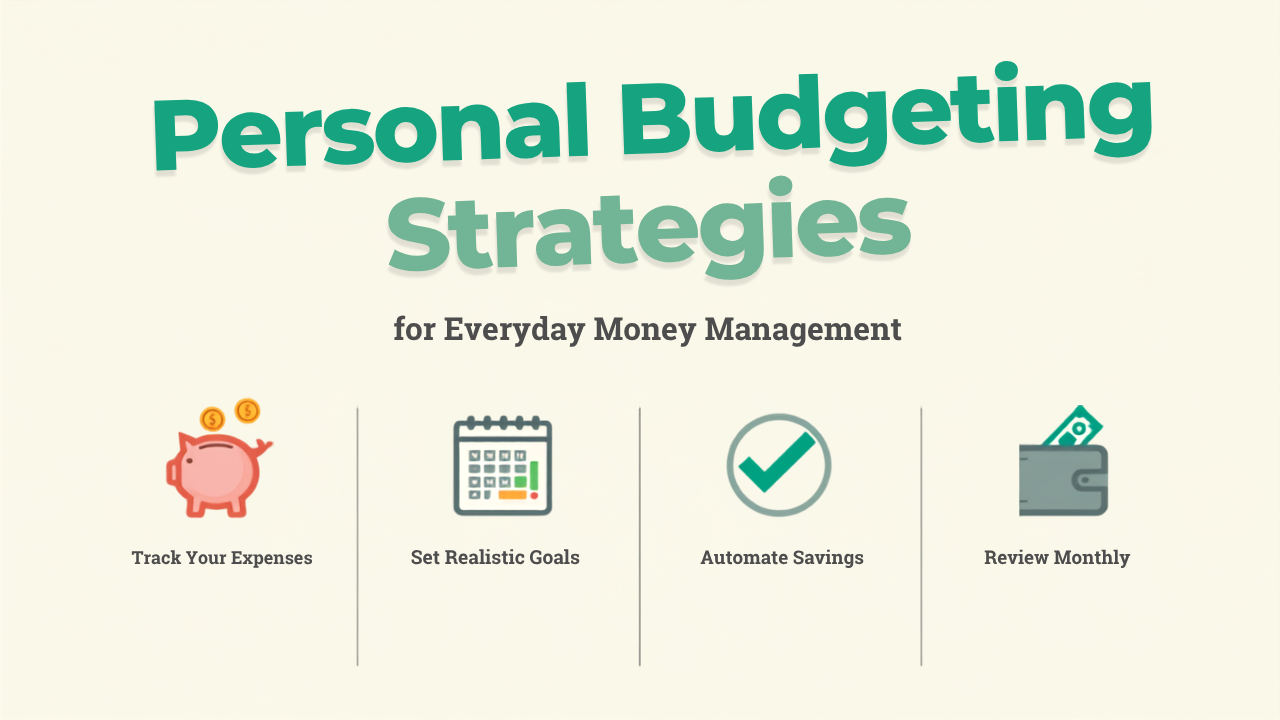
Managing money wisely is one of the most valuable life skills anyone can develop. Whether you are a student, a working professional, a freelancer, or someone planning for retirement, having a personal budget helps you stay in control of your finances. Budgeting is not about limiting your lifestyle. Instead, it is about making informed financial decisions that support your short-term needs and long-term goals.
Many people believe budgeting is only necessary when money is tight. In reality, individuals at every income level can benefit from understanding where their money goes. A well-planned budget reduces financial stress, improves savings, prevents unnecessary debt, and creates opportunities to invest in future goals.
In today’s digital world, personal budgeting has become easier than ever. From mobile budgeting apps to automated savings tools, technology makes it simple to monitor spending and adjust financial habits. Combined with practical strategies and financial discipline, these tools can transform the way you manage money.
Why Personal Budgeting Matters
A personal budget acts as a financial roadmap. It helps you allocate your income toward necessities, savings, investments, and personal enjoyment without overspending.
Some of the biggest benefits of budgeting include:
- Better control over daily spending
- Increased savings for emergencies
- Reduced financial stress
- Improved debt management
- Greater confidence in financial decisions
- Better preparation for unexpected expenses
- Clear progress toward financial goals
Budgeting allows you to make intentional choices instead of wondering where your money disappeared at the end of every month.
Understanding the Basics of a Personal Budget
A budget is simply a plan for how you will use your income during a specific period, usually one month.
Your budget typically includes:
Income
This includes all sources of money, such as:
- Salary
- Freelance earnings
- Business income
- Rental income
- Interest or dividends
- Side hustle earnings
Fixed Expenses
These expenses usually remain the same each month.
Examples include:
- Rent or mortgage
- Insurance premiums
- Internet bills
- Loan payments
- Subscription services
Variable Expenses
These costs change depending on your spending habits.
Examples include:
- Groceries
- Transportation
- Dining out
- Entertainment
- Shopping
- Utility bills
Savings and Investments
An effective budget always includes money set aside for:
- Emergency funds
- Retirement savings
- Investments
- Vacation savings
- Education funds
Start by Tracking Your Spending
Before creating a budget, understand your current spending habits.
Spend one month tracking every expense.
Record purchases such as:
- Morning coffee
- Online shopping
- Fuel expenses
- Grocery bills
- Streaming subscriptions
- Dining out
- Transportation
Many people discover they spend far more on small daily purchases than they expected.
For example, spending just $8 daily on snacks and coffee adds up to nearly $240 each month. Over a year, that becomes almost $2,900 that could have gone toward savings or investments.
Tracking expenses provides valuable insight into spending patterns and highlights opportunities to reduce unnecessary costs.
Set Clear Financial Goals
Budgets become much easier to follow when they support meaningful goals.
Short-term goals may include:
- Building a $1,000 emergency fund
- Paying off a credit card
- Saving for a vacation
- Buying a new laptop
Long-term goals might include:
- Purchasing a home
- Funding higher education
- Retirement planning
- Starting a business
Specific goals create motivation and help prioritize spending.
Popular Budgeting Methods
There is no universal budgeting system. The best approach depends on your financial situation and personal preferences.
The 50 30 20 Rule
One of the simplest budgeting strategies divides income into three categories.
- 50% for essential needs
- 30% for personal wants
- 20% for savings and debt repayment
For someone earning $3,000 monthly:
- $1,500 for essentials
- $900 for lifestyle expenses
- $600 for savings and investments
This flexible system works well for beginners.
Zero-Based Budgeting
With zero-based budgeting, every dollar has a purpose.
Income minus expenses equals zero because every dollar is assigned to:
- Bills
- Savings
- Investments
- Debt payments
- Entertainment
Nothing is left unplanned.
This strategy encourages intentional spending and reduces financial waste.
Envelope Budgeting
This traditional method divides cash into different spending categories.
For example:
- Groceries
- Transportation
- Dining
- Entertainment
Once an envelope is empty, spending in that category stops until the next budgeting cycle.
Many digital banking apps now offer virtual envelopes for the same purpose.
Build an Emergency Fund
Unexpected expenses happen to everyone.
Examples include:
- Medical bills
- Vehicle repairs
- Job loss
- Home maintenance
- Emergency travel
Financial experts commonly recommend saving three to six months of living expenses.
If that feels overwhelming, start small.
Saving even a modest amount consistently can gradually build financial security over time.
Differentiate Between Needs and Wants
Successful budgeting depends on recognizing the difference between essential expenses and discretionary spending.
Needs include:
- Housing
- Food
- Healthcare
- Transportation
- Utilities
Wants include:
- Luxury clothing
- Premium streaming services
- Frequent restaurant meals
- Expensive gadgets
- Designer accessories
This distinction helps prioritize spending without eliminating enjoyment entirely.
Reduce Unnecessary Expenses
Cutting costs does not always require major lifestyle changes.
Simple adjustments often produce meaningful savings.
Ideas include:
- Cooking more meals at home
- Canceling unused subscriptions
- Comparing insurance policies
- Buying generic household products
- Shopping during sales
- Planning grocery lists before shopping
- Using public transportation when practical
Small improvements repeated consistently often have the greatest long-term impact.
Pay Yourself First
Many people save whatever money remains at the end of the month.
Unfortunately, there is often little left.
Instead, automate savings immediately after receiving your income.
Treat savings like any other monthly bill.
Automatic transfers reduce the temptation to spend and make saving effortless.
Manage Debt Wisely
Debt can limit financial flexibility if not managed carefully.
Create a repayment strategy based on your financial situation.
Popular approaches include:
Debt Snowball Method
Focus on paying the smallest balance first while making minimum payments on other debts.
Each paid-off balance creates momentum and motivation.
Debt Avalanche Method
Pay the debt with the highest interest rate first.
Although progress may seem slower initially, this method usually saves more money over time.
Regardless of the method chosen, consistent payments remain the key to success.
Use Technology to Stay Organized
Budgeting apps and online banking tools simplify money management.
Many digital tools allow you to:
- Categorize expenses
- Track spending automatically
- Set savings goals
- Receive payment reminders
- Monitor account balances
- Generate monthly spending reports
Technology makes budgeting more accurate while reducing manual calculations.
Review Your Budget Regularly
A budget should evolve as your life changes.
Review your financial plan each month.
Consider questions such as:
Are your expenses increasing?
Inflation, family needs, or lifestyle changes may require budget adjustments.
Are you reaching savings goals?
If not, identify spending categories that can be reduced.
Have your financial priorities changed?
Marriage, children, career changes, or relocation may require updating your budget.
Monthly reviews keep your financial plan realistic and effective.
Budgeting for Families
Household budgeting often involves multiple income sources and shared expenses.
Successful family budgeting includes:
- Discussing financial goals together
- Planning for children’s education
- Saving for family vacations
- Preparing for healthcare costs
- Managing household maintenance expenses
Open communication encourages financial responsibility among all family members.
Budgeting for Students
Students often work with limited income.
Helpful budgeting strategies include:
- Tracking every expense
- Avoiding unnecessary debt
- Purchasing used textbooks
- Taking advantage of student discounts
- Preparing meals instead of eating out frequently
- Building emergency savings, even in small amounts
Learning these habits early creates a strong financial foundation.
Budgeting During Inflation
Higher prices can make budgeting more challenging.
To manage rising costs:
- Compare prices before buying
- Purchase essentials in bulk when practical
- Reduce impulse purchases
- Review recurring subscriptions
- Increase emergency savings where possible
- Look for additional income opportunities
Regular adjustments help budgets remain effective during changing economic conditions.
Common Budgeting Mistakes to Avoid
Many budgets fail because of unrealistic expectations.
Some common mistakes include:
Ignoring Small Purchases
Minor daily expenses can significantly impact monthly spending.
Setting Unrealistic Limits
Budgets should be challenging but achievable.
Forgetting Irregular Expenses
Annual insurance payments, holiday shopping, birthdays, and vehicle maintenance should all be included.
Not Tracking Progress
Without monitoring results, it becomes difficult to identify problems early.
Giving Up After One Mistake
Occasional overspending happens.
Instead of abandoning the budget, simply adjust and continue.
Consistency matters more than perfection.
Real-Life Example of Successful Budgeting
Imagine Sarah, a recent college graduate starting her first full-time job.
Initially, she spent freely on dining out, online shopping, and entertainment. By the end of each month, she had little money left for savings.
She decided to track every expense for 30 days.
The results surprised her.
She realized she spent hundreds of dollars each month on food delivery and impulse purchases.
Sarah created a monthly budget using the 50 30 20 method.
She started preparing meals at home, canceled unused subscriptions, automated savings, and reduced unnecessary shopping.
Within one year, she built an emergency fund, paid off a personal loan, and saved enough for an international vacation—all without increasing her income.
Her success came from consistency rather than dramatic financial sacrifices.
Tips for Staying Motivated
Budgeting is easier when it becomes a routine rather than a temporary challenge.
Helpful habits include:
- Celebrating financial milestones
- Reviewing goals monthly
- Tracking savings growth
- Keeping spending realistic
- Adjusting budgets as circumstances change
- Staying patient during setbacks
Financial success is usually the result of many small, consistent decisions rather than one major change.
Frequently Asked Questions
What is the best personal budgeting strategy?
The best strategy depends on your income, lifestyle, and financial goals. Popular options include the 50 30 20 rule, zero-based budgeting, and envelope budgeting. The most effective system is the one you can maintain consistently.
How much should I save every month?
Many financial professionals recommend saving at least 20% of your income when possible. However, any regular amount contributes to long-term financial stability.
How often should I review my budget?
Reviewing your budget monthly helps you adjust spending, monitor progress, and respond to changes in income or expenses.
Can budgeting improve financial health?
Yes. Budgeting encourages better spending habits, supports savings, reduces debt, and improves overall financial confidence.
Personal budgeting is one of the most practical tools for achieving financial stability and long-term success. It provides clarity, encourages responsible spending, and helps you prepare for both expected and unexpected expenses. Whether your goal is paying off debt, building an emergency fund, saving for a major purchase, or simply gaining better control over your finances, a thoughtful budget creates a clear path forward.
The most successful budgets are realistic, flexible, and reviewed regularly. By tracking your spending, setting meaningful financial goals, prioritizing savings, and making intentional decisions with your money, you can build healthier financial habits that last a lifetime. Every small improvement adds up, proving that consistent budgeting is not about restricting your life—it is about creating greater financial freedom and confidence for the future.
