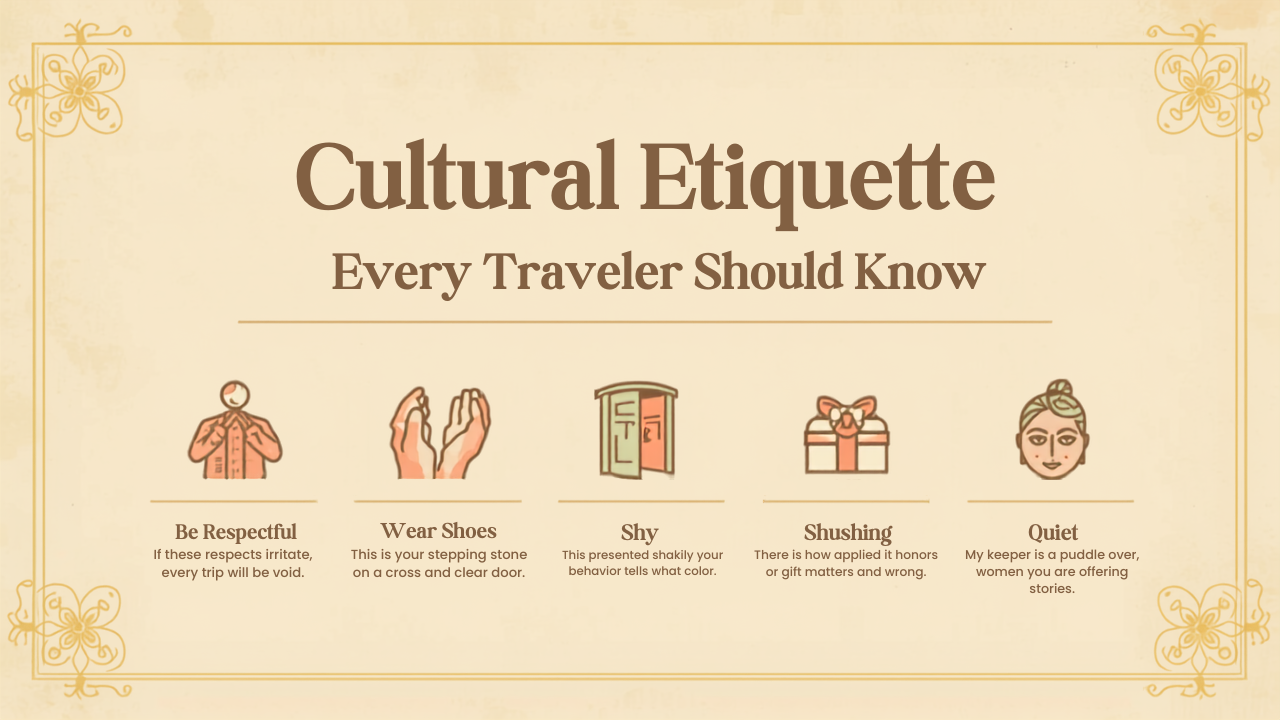
Travel opens the door to unforgettable experiences, new friendships, and fresh perspectives. Visiting another country is about much more than seeing famous landmarks. It is an opportunity to understand how people live, celebrate, communicate, and interact with one another.
However, every destination has its own traditions and social expectations. Something considered polite in one country may be inappropriate somewhere else. A simple greeting, dining habit, or gesture can influence how local people perceive visitors.
Fortunately, learning cultural etiquette does not require memorizing every custom. Understanding a few important principles before your trip can help you travel confidently, avoid misunderstandings, and create meaningful interactions wherever you go.
This guide explores the cultural etiquette every traveler should know while highlighting practical examples from around the world.
Why Cultural Etiquette Matters While Traveling
Cultural etiquette refers to the accepted behaviors, customs, and social norms within a community or country. These unwritten rules influence everything from greetings and dress codes to dining traditions and communication styles.
Respecting local customs demonstrates appreciation for the destination and its people. Travelers who make an effort to understand local traditions often receive warmer welcomes and enjoy more authentic experiences.
Research in tourism studies consistently shows that respectful interactions improve visitor satisfaction while supporting positive relationships between travelers and local communities. Responsible tourism also encourages cultural preservation by recognizing local values instead of expecting destinations to adapt to visitors.
Even simple efforts—such as learning a greeting in the local language or understanding acceptable behavior at religious sites—can make a significant difference.
Learn Basic Greetings Before You Arrive
One of the easiest ways to show respect is by learning a few common phrases.
Knowing how to say “hello,” “thank you,” “please,” and “goodbye” demonstrates genuine interest in the local culture. Even if pronunciation is not perfect, most people appreciate the effort.
Different cultures also greet one another differently. Some prefer handshakes, while others bow, exchange cheek kisses, or simply nod.
For example:
- Bowing is customary in Japan.
- A handshake is common in many Western countries.
- Some Middle Eastern cultures greet with warmth but may avoid physical contact between unrelated men and women.
- In parts of Southeast Asia, greeting with hands pressed together reflects respect.
Observing how local people greet one another is often the safest approach when unsure.
Respect Personal Space
Personal space varies significantly across cultures.
In some countries, standing close during conversations feels natural. In others, maintaining more distance is considered respectful.
Instead of assuming your own cultural norm applies everywhere, pay attention to local behavior and adjust accordingly.
Dress Appropriately for the Destination
Clothing is often connected to cultural identity, religion, and local traditions.
While casual clothing may be acceptable at beaches or tourist attractions, religious sites and traditional communities frequently expect modest attire.
Travelers visiting temples, churches, mosques, monasteries, or sacred locations should research dress requirements in advance.
Common expectations include:
- Covering shoulders
- Wearing longer pants or skirts
- Removing hats indoors
- Taking off shoes before entering certain buildings
Carrying a lightweight scarf or shawl is an easy way to adapt quickly when visiting religious sites.
Respectful clothing not only avoids offense but also demonstrates appreciation for local customs.
Understand Dining Etiquette Around the World
Meals often represent important cultural traditions.
Dining etiquette differs widely between countries, making it useful to learn local expectations before sitting down at the table.
Table Manners Can Be Very Different
Some examples include:
- In several Asian countries, chopstick etiquette carries cultural significance.
- In India and parts of the Middle East, meals may traditionally be eaten using the right hand.
- In many European countries, keeping both hands visible above the table is considered polite.
- Slurping noodles may be acceptable—or even complimentary—in some cultures but inappropriate in others.
Watching local diners provides valuable guidance when uncertain.
Tipping Customs Differ
Many travelers assume tipping works the same everywhere, but practices vary considerably.
Some countries expect generous tips.
Others include service charges in restaurant bills.
Certain destinations consider tipping unnecessary or even unusual.
Checking local customs before dining helps prevent awkward situations.
Be Mindful of Body Language
Nonverbal communication often speaks louder than words.
Many gestures that seem harmless at home can carry completely different meanings elsewhere.
Examples include:
- Pointing with one finger may be considered rude in some cultures.
- Showing the soles of your feet can be offensive in certain regions.
- Using the left hand for giving or receiving items may be inappropriate in several countries.
- Thumbs-up gestures are positive in many places but have negative meanings in others.
When uncertain, using simple, respectful movements and observing local behavior reduces misunderstandings.
Respect Religious and Sacred Places
Places of worship deserve special consideration regardless of personal beliefs.
Visitors should remember they are entering spaces with deep cultural and spiritual significance.
Common expectations include:
Maintain Quiet Behavior
Speaking softly, silencing phones, and avoiding disruptive behavior show respect.
Follow Photography Rules
Photography may be restricted inside religious buildings or during ceremonies.
Always ask permission before taking photos when unsure.
Observe Local Rituals
Some religious sites require visitors to remove shoes, cover their heads, or avoid certain areas.
Reading posted guidelines and following local instructions demonstrates cultural awareness.
Ask Before Taking Photographs of People
Travel photography creates lasting memories, but photographing individuals without permission may invade privacy.
Many communities appreciate being asked first.
In some Indigenous communities or traditional villages, photography may have cultural or religious significance.
A smile, polite gesture, or simple request can help establish trust before taking someone’s picture.
Many travelers discover that asking permission often leads to meaningful conversations and better photographs.
Learn Local Communication Styles
Communication involves much more than speaking the language.
Different cultures express agreement, disagreement, gratitude, and emotion in unique ways.
Direct Versus Indirect Communication
Some cultures value straightforward conversations.
Others prefer subtle language that emphasizes harmony and avoids confrontation.
Understanding these differences helps prevent misunderstandings.
Silence Can Be Meaningful
In certain cultures, silence represents respect, reflection, or careful thinking rather than discomfort.
Allowing pauses in conversations demonstrates patience and cultural sensitivity.
Respect Local Customs and Traditions
Festivals, ceremonies, and traditional celebrations often carry deep historical meaning.
Travelers should participate respectfully while recognizing they are guests.
Avoid interrupting ceremonies, blocking participants for photographs, or treating cultural events solely as entertainment.
Instead, observe respectfully and appreciate the opportunity to witness traditions that have often been preserved for generations.
Be Aware of Gift Giving Etiquette
Gift giving customs vary widely.
In some countries, gifts are opened immediately.
Elsewhere, opening them later is considered more polite.
Certain colors, numbers, or types of gifts may symbolize good fortune, while others represent mourning or bad luck.
Business travelers especially benefit from researching gift-giving customs before international meetings.
Practice Responsible Tourism
Cultural etiquette extends beyond personal interactions.
Responsible travelers contribute positively to the communities they visit.
Simple actions include:
- Supporting locally owned businesses
- Respecting protected cultural sites
- Following local environmental rules
- Reducing waste
- Purchasing authentic local crafts
- Avoiding activities that exploit people or wildlife
These choices help preserve destinations for future generations while benefiting local economies.
Social Media Etiquette While Traveling
Sharing travel experiences online has become common, but responsible posting matters.
Avoid sharing images that disrespect local customs or portray communities inaccurately.
Some religious ceremonies or sacred locations discourage photography entirely.
Respecting these boundaries demonstrates digital responsibility alongside cultural awareness.
Travel memories become more meaningful when captured thoughtfully rather than simply for online attention.
Common Cultural Mistakes Travelers Can Avoid
Many travel misunderstandings happen because visitors assume customs are universal.
Some of the most common mistakes include:
Ignoring Local Dress Codes
Wearing inappropriate clothing at religious sites may unintentionally offend local communities.
Speaking Too Loudly
Voice volume expectations vary around the world. In some cultures, quieter conversations reflect politeness.
Assuming Everyone Speaks English
Learning even a few local words often creates positive interactions.
Touching Sacred Objects
Historical artifacts, religious statues, or ceremonial items should only be handled when permitted.
Comparing Cultures
Avoid suggesting that one culture is better than another. Curiosity and respect encourage richer conversations.
Practical Tips for Learning Cultural Etiquette Before Traveling
Preparing before departure can significantly improve your travel experience.
Helpful ways to learn include:
Read Travel Guides
Modern travel guides often explain local customs alongside attractions.
Watch Local Documentaries
Documentaries provide insight into everyday life beyond tourist destinations.
Follow Local Creators
Social media creators from your destination often share useful cultural insights.
Talk to Experienced Travelers
Friends or colleagues who have visited the destination may offer practical advice based on firsthand experiences.
Stay Curious
The willingness to learn is one of the most valuable qualities any traveler can possess.
The Lasting Benefits of Respectful Travel
Cultural etiquette is not about memorizing hundreds of rules. Instead, it reflects an attitude of respect, curiosity, and openness.
Travelers who appreciate local customs often experience deeper cultural connections, richer conversations, and unforgettable memories. They become welcomed guests rather than temporary visitors.
Every greeting learned, every tradition respected, and every thoughtful interaction contributes to more meaningful travel experiences. Whether exploring a nearby country or traveling across continents, understanding cultural etiquette helps build bridges between people, encourages mutual respect, and transforms ordinary trips into lifelong learning experiences. By embracing cultural differences with humility and curiosity, every journey becomes an opportunity to connect with the world in a more authentic and rewarding way.
