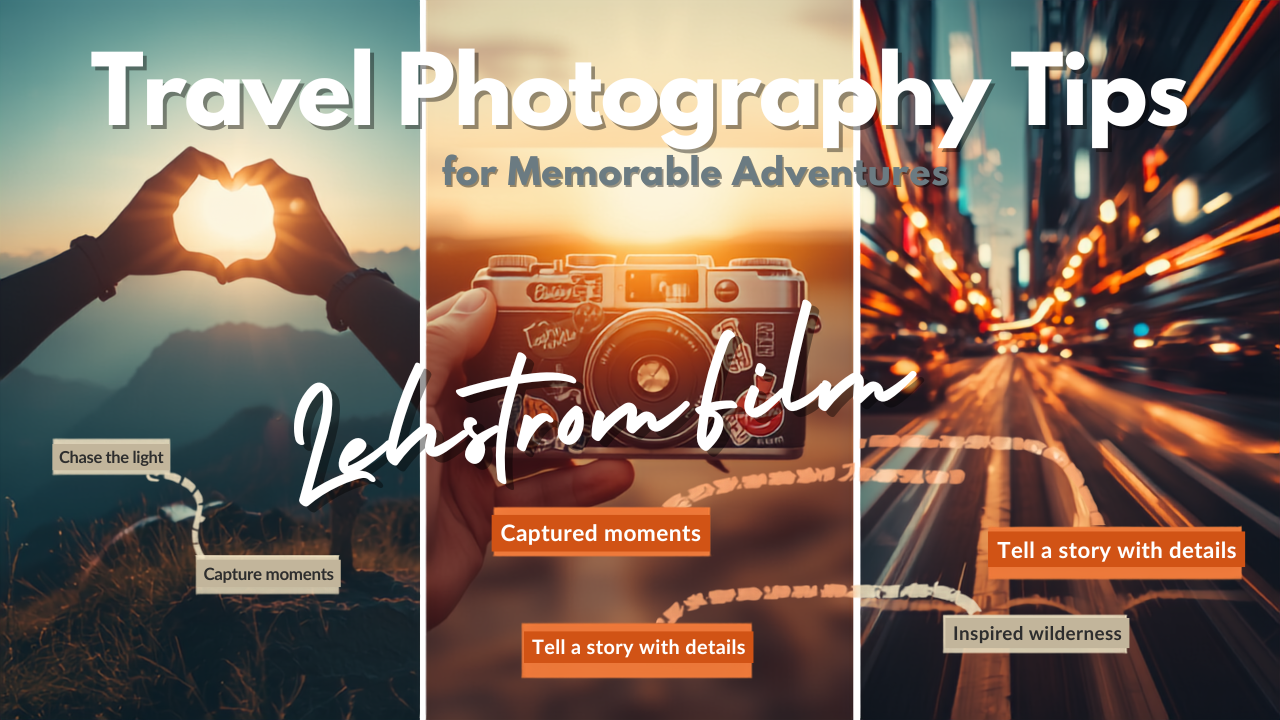
Travel photography allows people to relive unforgettable experiences long after a journey ends. Every destination has unique landscapes, cultures, architecture, and moments waiting to be captured. Great travel photographs are not always about expensive equipment or famous locations. They come from careful observation, creativity, and the ability to tell a story through images.
Whether exploring a bustling city, hiking through mountain trails, or relaxing on a tropical beach, understanding a few essential photography techniques can significantly improve your results. By combining planning, technical knowledge, and patience, travelers can create photographs that preserve memories while inspiring others to explore the world.
Why Travel Photography Matters
Travel photography goes beyond documenting destinations. It captures emotions, traditions, and experiences that words sometimes cannot express. A single photograph can remind someone of a breathtaking sunrise, a meaningful conversation with a local resident, or an unexpected adventure.
Professional travel photographers often explain that the best images are those with a story behind them. Instead of simply photographing famous landmarks, they focus on the people, details, and everyday life that make each location unique.
Photographs also become valuable personal records. Looking back years later, travelers often remember the emotions connected to an image far more vividly than the destination itself.
Benefits of Travel Photography
- Preserves lifelong travel memories
- Encourages creative thinking
- Improves observation skills
- Documents different cultures and traditions
- Creates meaningful visual stories
- Inspires future adventures
Plan Before You Start Photographing
Preparation is one of the most overlooked aspects of travel photography. Researching destinations before arriving helps photographers identify the best viewpoints, lighting conditions, and photography opportunities.
Checking sunrise and sunset times allows better planning for natural lighting. Many photographers schedule visits to popular attractions early in the morning to avoid crowds and capture softer light.
Weather forecasts also influence photography plans. While clear skies are popular, cloudy or rainy weather often creates dramatic scenes and unique moods.
Essential Photography Gear
Choosing the right equipment depends on travel style rather than purchasing the most expensive camera.
Useful travel photography gear includes:
- Lightweight camera or smartphone
- Wide-angle lens for landscapes
- Portrait lens for people
- Extra batteries
- Memory cards
- Compact tripod
- Lens cleaning cloth
- Waterproof camera bag
- Portable power bank
Keeping equipment lightweight makes exploring easier while reducing travel fatigue.
Learn Your Camera Before Traveling
Many travelers spend time adjusting camera settings after arriving at their destination. Learning the camera beforehand allows more attention to the experience itself.
Understanding exposure, focus modes, shutter speed, aperture, and ISO helps photographers react quickly to changing conditions.
Even smartphone users benefit from learning features like portrait mode, HDR, manual focus, exposure adjustment, and night mode.
Master Natural Light
Lighting plays one of the biggest roles in photography quality.
Professional photographers often prefer the golden hour, which occurs shortly after sunrise and before sunset. During these times, sunlight becomes softer, warmer, and more flattering for landscapes, architecture, and portraits.
The blue hour, occurring just before sunrise and after sunset, creates peaceful tones ideal for cityscapes and waterfront photography.
Midday sunlight can create harsh shadows, but it works well for colorful markets, beaches, and mountain landscapes when used carefully.
Understand Direction of Light
Instead of always photographing with the sun behind you, experiment with different lighting directions.
Front lighting produces evenly lit subjects.
Side lighting adds texture and depth.
Backlighting creates silhouettes and dramatic effects.
Cloudy conditions naturally soften shadows, making them excellent for portraits and street photography.
Focus on Composition
Composition determines how viewers experience a photograph.
One of the simplest techniques is the Rule of Thirds. Imagine dividing the image into nine equal sections. Positioning the subject along these lines often creates a more balanced and visually appealing photograph.
Leading lines naturally guide viewers through an image. Roads, rivers, bridges, fences, and pathways create depth while directing attention toward the main subject.
Framing is another powerful technique. Doorways, windows, tree branches, caves, and arches naturally frame subjects while adding context.
Negative space also improves composition by allowing the main subject to stand out without distractions.
Change Your Perspective
Many travel photos are taken from standing eye level.
Instead, experiment with different viewpoints.
Photograph from ground level.
Capture city skylines from observation decks.
Use reflections in puddles or lakes.
Shoot through objects to create depth.
Look for elevated viewpoints during hikes.
Changing perspective often transforms an ordinary scene into an extraordinary image.
Capture Authentic Local Culture
Travel photography becomes more meaningful when it reflects local life rather than only tourist attractions.
Street markets, local festivals, public transportation, artisans, musicians, and everyday routines reveal the true personality of a destination.
Respect remains essential when photographing people. Asking permission before taking close-up portraits demonstrates courtesy and often leads to more genuine expressions.
Many experienced photographers find that interacting with local residents before taking photographs results in more natural images.
Tell Stories Instead of Taking Random Pictures
A memorable travel gallery usually follows a narrative.
Instead of taking hundreds of unrelated images, think about documenting the complete experience.
Photograph transportation.
Capture accommodation details.
Show local food.
Include landscapes.
Photograph people interacting.
Record small cultural details.
Take environmental portraits.
Document unexpected moments.
These images together tell the story of the journey rather than simply recording locations.
Improve Landscape Photography
Landscape photography is one of the most popular forms of travel photography.
Instead of placing the horizon directly in the center, position it according to the scene. When the sky is dramatic, allow more space above. When the foreground contains interesting textures, emphasize the lower portion of the image.
Including a person in a landscape often provides scale and emotional connection.
Foreground elements such as flowers, rocks, or plants create additional depth.
Patience also matters. Waiting a few extra minutes often results in changing clouds, better lighting, or fewer people in the frame.
Photograph Famous Landmarks Creatively
Millions of photographs already exist of iconic landmarks.
Adding originality makes your images more memorable.
Try photographing reflections.
Visit during sunrise.
Capture details instead of the entire building.
Include people interacting with the landmark.
Photograph during changing weather conditions.
Experiment with long exposure photography.
These approaches create more personal and distinctive travel images.
Capture Better Portraits While Traveling
Portrait photography allows travelers to connect with people and cultures.
Natural expressions usually appear when subjects feel comfortable.
Instead of immediately raising the camera, spend a few moments talking with the person.
Photograph people in environments that represent their daily lives.
Market vendors, artists, fishermen, chefs, and craftspeople often tell powerful visual stories.
Soft natural light near windows or under open shade produces flattering portraits without requiring professional lighting equipment.
Use Your Smartphone Effectively
Modern smartphones have transformed travel photography.
Advanced camera systems, image stabilization, and computational photography allow travelers to capture impressive images without carrying heavy equipment.
Keep the camera lens clean.
Use grid lines for composition.
Avoid excessive digital zoom.
Tap to focus manually.
Adjust brightness before capturing.
Use portrait and night modes when appropriate.
Take multiple photographs from different angles.
Many award-winning travel photographs have been captured using smartphones because creativity matters more than equipment.
Edit Without Overprocessing
Editing enhances photographs without changing reality.
Simple adjustments usually produce the best results.
Improve brightness.
Adjust contrast.
Fine-tune white balance.
Recover highlights.
Increase sharpness slightly.
Crop distractions.
Maintain natural colors.
Overediting often makes photographs appear unrealistic and reduces their long-term appeal.
Many professional photographers recommend maintaining consistency throughout an entire travel collection so images feel connected.
Protect Your Photography Equipment
Travel often exposes cameras to dust, rain, humidity, sand, and changing temperatures.
Simple precautions help protect valuable equipment.
Store cameras in padded bags.
Avoid changing lenses in dusty environments.
Use waterproof covers during rain.
Carry silica gel packs in humid climates.
Regularly clean lenses using microfiber cloths.
Back up photographs daily using cloud storage or external drives.
Losing travel photographs due to equipment failure or memory card damage can be disappointing, making backups essential.
Common Travel Photography Mistakes to Avoid
Many beginners make similar mistakes that reduce image quality.
One common error is photographing everything without focusing on meaningful moments. Selecting quality over quantity leads to stronger photo collections.
Ignoring lighting often results in flat or harsh images.
Overpacking equipment can slow travel and reduce flexibility.
Relying only on automatic camera settings limits creative control.
Forgetting to include people in photographs may remove emotional context from landscapes.
Editing excessively can make photographs appear artificial.
Taking time to review images during the trip also helps identify improvements before leaving a destination.
Building Confidence Through Practice
Photography improves with regular practice rather than expensive equipment.
Experienced photographers often revisit familiar places to experiment with new techniques before traveling.
Practicing composition, lighting, and storytelling locally builds confidence that transfers naturally during vacations.
Learning from mistakes is part of the creative process. Every journey offers opportunities to refine technical skills while developing a unique photographic style.
The more consistently photographers observe their surroundings, anticipate moments, and understand light, the stronger their travel images become.
Frequently Asked Questions
What is the best camera for travel photography?
The best camera is the one you can comfortably carry throughout your journey. Mirrorless cameras, compact cameras, and modern smartphones all produce excellent travel photographs when used effectively.
What time of day is best for travel photography?
The golden hour after sunrise and before sunset usually provides the most attractive natural lighting. Blue hour is also excellent for cityscapes and landscapes.
How can beginners improve travel photography?
Beginners should focus on understanding composition, natural lighting, storytelling, and practicing regularly. Learning camera settings before traveling also improves confidence.
Is smartphone photography good enough for travel?
Yes. Modern smartphones offer advanced camera technology capable of capturing high-quality travel photographs. Good composition, lighting, and storytelling remain more important than the device itself.
Travel photography is about preserving experiences rather than simply collecting pictures. Every destination offers opportunities to capture landscapes, cultures, architecture, and genuine human connections that become meaningful memories over time. By preparing carefully, understanding light, improving composition, respecting local communities, and practicing consistently, anyone can create compelling travel photographs regardless of experience level or equipment. The most memorable images often come from authentic moments, thoughtful observation, and a willingness to see familiar places from fresh perspectives. Every journey presents a new story, and every photograph becomes a lasting reminder of the adventures that shaped it.
