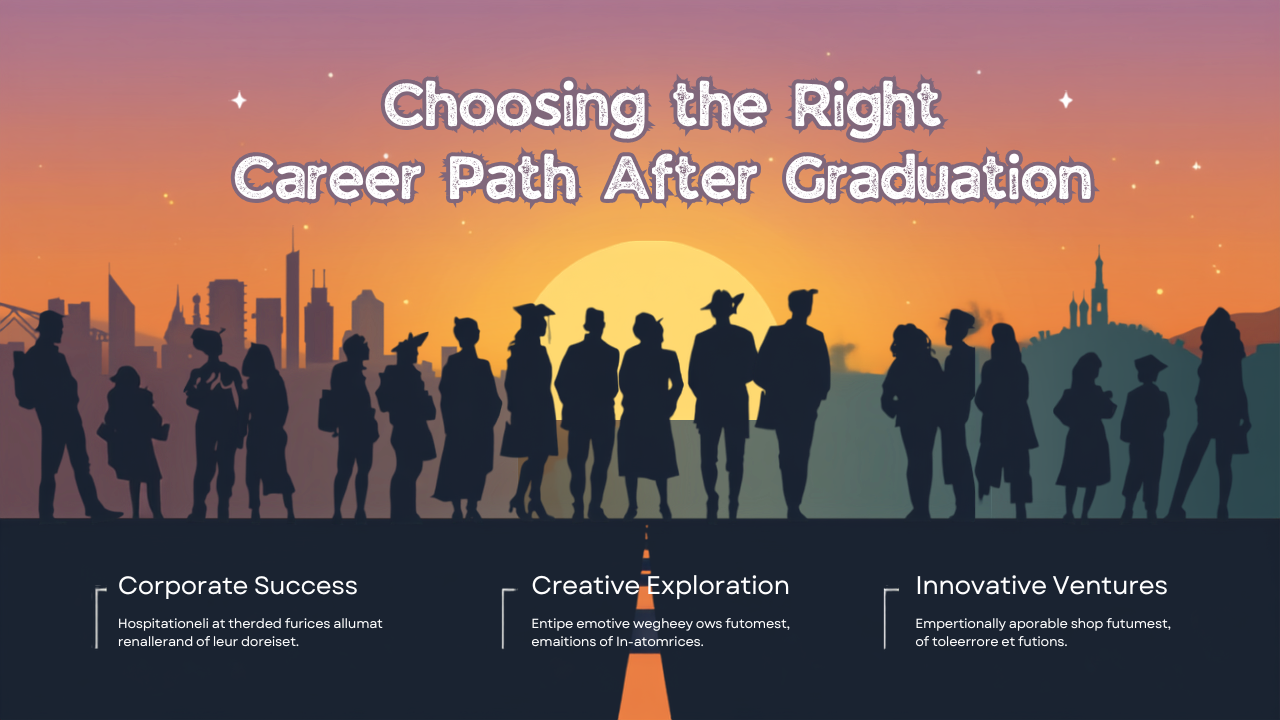
Graduation is one of life’s biggest milestones. After years of studying, completing assignments, and preparing for exams, many graduates suddenly face an important question: What comes next? While some people have a clear vision of their future, others may feel uncertain about which direction to take. Both experiences are completely normal.
The modern job market offers more career opportunities than ever before. Technology, healthcare, finance, marketing, education, engineering, creative industries, and entrepreneurship continue to evolve, creating roles that did not exist just a few years ago. At the same time, rapid changes in automation, artificial intelligence, and digital transformation mean that graduates need to think beyond traditional career choices.
Choosing the right career path is not about making a perfect decision on the first attempt. Instead, it involves understanding yourself, exploring available opportunities, gaining practical experience, and continuously developing new skills. With careful planning and informed decision-making, graduates can build careers that are both rewarding and adaptable to future changes.
Why Choosing the Right Career Matters
A career influences much more than financial stability. It shapes daily routines, professional growth, personal satisfaction, and long-term quality of life. Spending years in a role that matches personal interests and strengths often leads to greater motivation and better performance.
Research consistently shows that employees who find meaning in their work tend to demonstrate higher productivity, stronger engagement, and improved job satisfaction. While every profession comes with challenges, working in a field that aligns with personal goals often makes overcoming obstacles easier.
Selecting a suitable career also creates opportunities for continuous learning, career advancement, and financial growth over time.
Start with Self Assessment
Before exploring industries or job openings, graduates should first understand themselves.
Ask questions such as:
- What subjects did I genuinely enjoy studying?
- Which activities make me lose track of time?
- What are my strongest skills?
- Do I enjoy working with people, data, technology, or creative projects?
- What kind of work environment suits me best?
Self-assessment helps narrow career options and prevents choosing a profession solely because of external pressure or current trends.
Many career counselors recommend identifying three important areas:
Interests
Interests reveal what naturally attracts your attention. Someone interested in solving technical problems may enjoy software development or engineering, while another person who enjoys helping others might thrive in healthcare, education, or counseling.
Skills
Skills include both technical and transferable abilities.
Technical skills may involve:
- Programming
- Accounting
- Graphic design
- Data analysis
- Digital marketing
- Writing
Transferable skills include:
- Communication
- Leadership
- Teamwork
- Time management
- Critical thinking
- Problem solving
Employers increasingly value graduates who combine technical expertise with strong interpersonal abilities.
Values
Career decisions become easier when personal values are clear.
Some graduates prioritize:
- Work-life balance
- High income
- Job security
- Social impact
- Creativity
- Continuous learning
- Leadership opportunities
Understanding these priorities helps identify careers that match long-term expectations.
Research Different Career Options
Graduates often limit themselves to careers directly related to their academic degree. However, many industries welcome candidates with diverse educational backgrounds.
For example, a commerce graduate may pursue careers in:
- Finance
- Banking
- Taxation
- Business analytics
- Human resources
- Operations
- Marketing
- Consulting
- Project management
Similarly, science graduates may explore healthcare, research, biotechnology, pharmaceutical companies, environmental science, or technology sectors.
Learning about different professions expands possibilities beyond traditional career paths.
Useful research methods include reading industry reports, exploring company websites, attending career fairs, following professional networking platforms, and speaking with experienced professionals.
Understand Current Job Market Trends
The employment landscape continues to change rapidly.
Several industries continue to experience strong demand for skilled professionals, including:
Technology
Artificial intelligence, cybersecurity, cloud computing, software development, and data science remain among the fastest-growing fields worldwide.
Healthcare
Healthcare professionals continue to play an essential role as populations grow and medical technologies advance.
Finance
Financial planning, investment analysis, risk management, taxation, and financial technology continue creating diverse career opportunities.
Digital Marketing
Businesses increasingly rely on digital channels for customer engagement, creating demand for specialists in content marketing, SEO, social media, analytics, and online advertising.
Sustainability
Organizations increasingly focus on environmental responsibility, opening careers in renewable energy, sustainability consulting, and environmental management.
Understanding industry trends helps graduates prepare for future opportunities instead of focusing only on current job openings.
Gain Practical Experience
Academic knowledge forms a strong foundation, but employers also value practical experience.
Graduates can gain experience through:
- Internships
- Freelance projects
- Volunteer work
- Campus leadership roles
- Industry certifications
- Personal projects
- Part-time employment
Consider a marketing graduate who completed several internships managing social media campaigns. Even without years of experience, that graduate can demonstrate measurable achievements, making job applications stronger than those relying solely on academic qualifications.
Practical experience builds confidence while helping graduates discover which career paths genuinely match their interests.
Develop Skills That Employers Value
The workplace continues evolving, making continuous learning essential.
Some of today’s most valuable professional skills include:
Digital Literacy
Basic understanding of productivity software, collaboration platforms, cloud tools, and data management has become valuable across nearly every industry.
Communication
Clear verbal and written communication improves teamwork, leadership, and customer relationships.
Problem Solving
Organizations value employees who identify challenges, analyze situations, and recommend practical solutions.
Adaptability
Technology changes rapidly. Professionals willing to learn new tools and processes remain competitive throughout their careers.
Emotional Intelligence
Understanding emotions, managing relationships, and demonstrating empathy contribute to effective leadership and workplace collaboration.
Employers increasingly seek candidates who demonstrate both technical competence and strong interpersonal skills.
Consider Higher Education Carefully
Many graduates immediately think about pursuing postgraduate education.
While advanced degrees provide specialized knowledge, they may not always be necessary before entering the workforce.
Questions worth considering include:
- Does my chosen profession require higher education?
- Will additional qualifications improve career prospects?
- Would practical work experience be more valuable first?
- Can I pursue higher education while working?
For some careers, industry certifications and professional experience provide greater value than immediately enrolling in another academic program.
Thoughtful planning ensures education aligns with long-term career objectives.
Learn from Industry Professionals
One of the most effective ways to choose a career is by speaking with professionals already working in the field.
Conversations can provide insights about:
- Daily responsibilities
- Required skills
- Career progression
- Industry challenges
- Salary expectations
- Future opportunities
Informational interviews often reveal realities that cannot be learned from job descriptions alone.
Professional networking events, alumni associations, webinars, and mentorship programs also provide valuable guidance for recent graduates.
Build a Strong Professional Presence
Today’s employers frequently review online professional profiles before making hiring decisions.
Graduates can strengthen their professional image by:
Creating a Professional Resume
A well-structured resume should highlight education, internships, projects, certifications, technical skills, and measurable achievements.
Building an Online Profile
Professional networking platforms allow graduates to showcase skills, connect with industry experts, and discover career opportunities.
Developing a Portfolio
Writers, designers, developers, marketers, architects, photographers, and many other professionals benefit from maintaining portfolios that demonstrate real work rather than simply listing skills.
A strong professional presence increases visibility and improves employment opportunities.
Don’t Let Salary Be the Only Decision Factor
Compensation is important, but choosing a career based solely on starting salary may not lead to long-term satisfaction.
Other factors deserve equal consideration:
- Learning opportunities
- Career growth
- Company culture
- Leadership support
- Job stability
- Skill development
- Geographic flexibility
- Work-life balance
A slightly lower starting salary in a growth-oriented organization may create better long-term career outcomes than a higher-paying position with limited advancement.
Real Life Example of Career Exploration
Imagine two graduates completing the same business degree.
The first graduate accepts the first available job without exploring different industries. Although the salary is competitive, the role offers limited learning opportunities and does not align with personal interests.
The second graduate spends several months researching industries, completing a business analytics certification, participating in internships, and networking with professionals. Eventually, this graduate secures a position in data analytics that matches personal strengths and provides opportunities for continuous growth.
Over several years, the second graduate develops specialized expertise, earns promotions, and remains adaptable as industry demands evolve.
This example demonstrates that investing time in career planning often creates stronger long-term outcomes than making rushed decisions.
Common Mistakes to Avoid
Many graduates make avoidable career planning mistakes.
Choosing a profession based solely on family expectations or peer influence may reduce long-term job satisfaction.
Ignoring skill development can make candidates less competitive as industries evolve.
Applying for every available position without understanding career goals may lead to inconsistent professional growth.
Failing to network limits exposure to hidden job opportunities and valuable industry insights.
Avoiding feedback also slows professional improvement. Constructive advice from mentors, managers, and experienced professionals often accelerates career development.
Recognizing these common mistakes allows graduates to make more informed decisions.
Creating a Flexible Career Plan
Career planning should remain adaptable rather than fixed.
A practical career roadmap may include:
Short Term Goals
Focus on securing internships, developing technical skills, improving communication, and gaining professional experience.
Medium Term Goals
Work toward promotions, advanced certifications, specialized expertise, and expanding professional networks.
Long Term Goals
Aim for leadership positions, entrepreneurship, consulting opportunities, or advanced professional specialization based on evolving interests and industry trends.
Regularly reviewing career goals allows professionals to respond effectively to changing opportunities.
The Importance of Lifelong Learning
Graduation marks the beginning rather than the end of education.
Technology, regulations, customer expectations, and workplace practices continue changing throughout every career.
Professionals who consistently invest in learning remain competitive regardless of industry.
Learning opportunities include:
- Online courses
- Professional certifications
- Workshops
- Conferences
- Industry publications
- Books
- Mentorship
- Practical projects
Continuous improvement builds confidence while increasing employability over the long term.
Choosing the right career path after graduation is a journey of self-discovery, research, learning, and growth rather than a single life-changing decision. Every graduate follows a unique path, and career success often comes from combining personal interests with practical skills, continuous learning, and thoughtful planning.
By understanding strengths, exploring industries, gaining practical experience, developing valuable skills, and remaining open to new opportunities, graduates can make informed career choices that support both professional achievement and personal fulfillment. A flexible mindset, willingness to learn, and commitment to long-term growth will continue to create opportunities throughout an evolving career landscape, making each step forward a valuable investment in the future.
