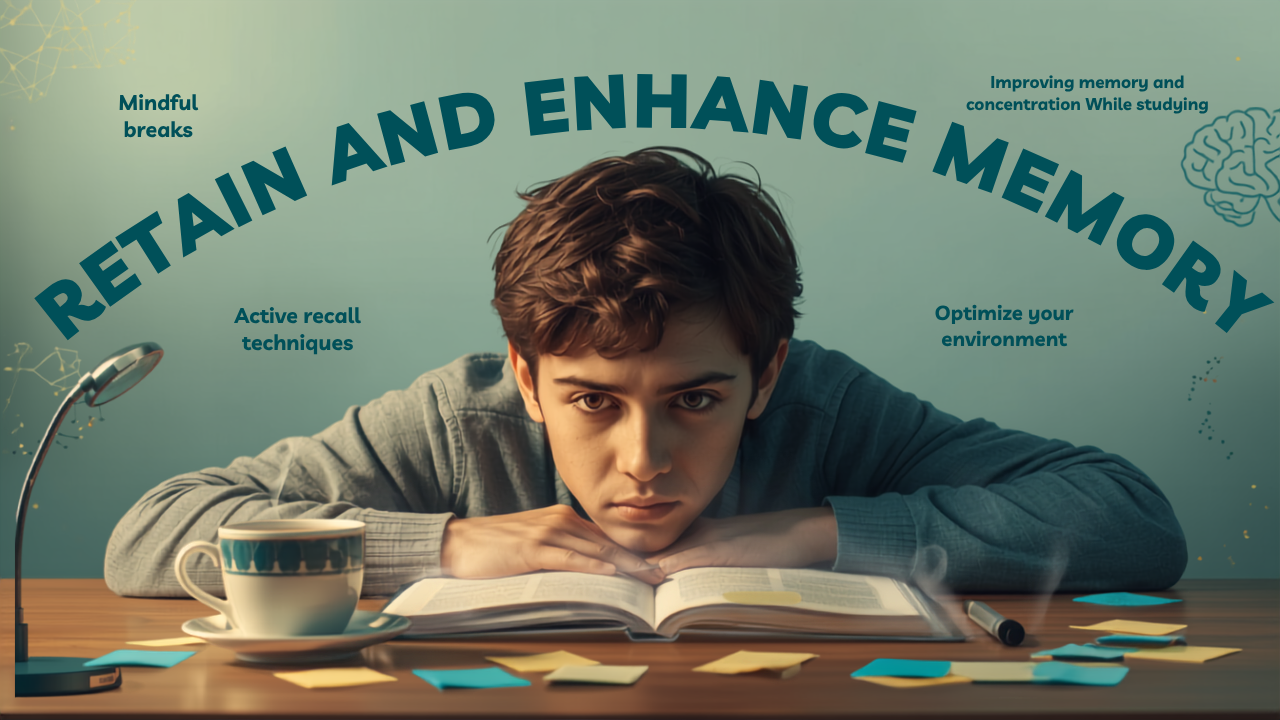
Every student has experienced moments when reading the same page repeatedly without remembering a single detail. Others spend hours studying but forget important concepts during exams. These situations are common because effective studying depends on both memory and concentration rather than simply spending more time with books.
The human brain is designed to learn continuously, but distractions, stress, lack of sleep, and poor study habits can interfere with this process. Fortunately, scientific research has shown that memory is not fixed. Like a muscle, it becomes stronger with regular practice and healthy habits.
Whether you are preparing for school exams, college tests, competitive examinations, or professional certifications, improving memory and concentration can make studying more efficient and less overwhelming. By understanding how the brain learns and applying practical strategies, students can retain information longer, stay focused, and perform with greater confidence.
Understanding How Memory and Concentration Work
Memory is the brain’s ability to store and retrieve information, while concentration refers to maintaining attention on a specific task without becoming distracted. These two abilities work together throughout the learning process.
When students focus deeply on new information, the brain processes it more effectively. The information is then transferred from short-term memory into long-term memory through repetition, understanding, and meaningful connections.
Several factors influence this process, including:
- Sleep quality
- Stress levels
- Nutrition
- Physical activity
- Study environment
- Learning techniques
- Digital distractions
Research in cognitive psychology suggests that understanding information instead of memorizing isolated facts significantly improves long-term retention. Students who actively engage with study material generally remember more than those who simply read repeatedly.
Why Students Often Lose Focus While Studying
Many students believe they have poor concentration, but external and internal distractions are often the real cause.
Common reasons include:
Digital Interruptions
Notifications from smartphones, social media, and messaging apps interrupt attention frequently. Even brief distractions can reduce productivity because the brain requires time to regain deep focus.
Mental Fatigue
Studying continuously without breaks tires the brain. Mental exhaustion decreases attention span and makes remembering information more difficult.
Stress and Anxiety
Examination pressure increases cortisol levels, which may interfere with memory formation and concentration.
Poor Sleep
Sleep plays a vital role in consolidating memories. Students who sacrifice sleep for extra study hours often experience reduced recall during examinations.
Multitasking
Listening to videos, checking messages, and studying simultaneously divides attention, making learning less effective.
Build a Study Environment That Supports Focus
Your surroundings directly affect concentration. A cluttered or noisy space makes it harder for the brain to maintain attention.
A productive study environment typically includes:
- A clean and organized desk
- Comfortable seating
- Proper lighting
- Minimal background noise
- Good ventilation
- All study materials within reach
Keeping smartphones away or using focus modes during study sessions can also reduce unnecessary interruptions.
Many successful students create a dedicated study space because the brain gradually associates that location with learning, making it easier to concentrate.
Use Active Learning Instead of Passive Reading
Reading textbooks repeatedly may create the feeling of learning, but it often results in poor retention.
Active learning encourages the brain to process information more deeply.
Ask Questions
Instead of reading silently, ask yourself questions such as:
- Why does this concept matter?
- How does it relate to previous topics?
- Can I explain it in simple words?
This strengthens understanding and improves recall.
Teach Someone Else
Explaining a topic to a friend, family member, or even yourself forces the brain to organize information logically.
Educational researchers often refer to this as one of the most effective learning methods because teaching exposes gaps in understanding.
Summarize in Your Own Words
Writing short summaries after each study session helps reinforce learning while making future revision easier.
Practice Active Recall
Active recall is one of the most effective memory techniques supported by learning science.
Instead of rereading notes, close the book and try to remember important information without looking.
Examples include:
- Answering practice questions
- Using flashcards
- Writing everything remembered from memory
- Solving previous exam papers
Retrieving information strengthens neural pathways, making future recall faster and more accurate.
Many high-performing students rely heavily on active recall rather than endless reading.
Use Spaced Repetition for Long-Term Memory
Forgetting information is natural if it is never reviewed.
Spaced repetition involves reviewing material at gradually increasing intervals instead of cramming everything into one day.
A simple review schedule may look like:
- Review after one day
- Review after three days
- Review after one week
- Review after two weeks
- Review after one month
This method helps transfer information into long-term memory while reducing the need for last-minute memorization.
Break Information into Smaller Chunks
The brain processes smaller groups of information more efficiently than large blocks.
This technique, known as chunking, improves memory by organizing related ideas together.
For example, instead of memorizing twenty unrelated facts, divide them into categories or themes.
Medical students often group symptoms by body systems, while language learners organize vocabulary by topics such as travel, food, or education.
Chunking reduces cognitive overload and makes revision easier.
Improve Concentration with Time Management Techniques
Long study sessions without structure often reduce productivity.
Pomodoro Technique
One popular method involves:
- Study for 25 minutes
- Take a 5-minute break
- Repeat four times
- Take a longer break of 20–30 minutes
These regular breaks help maintain mental freshness while preventing burnout.
Some students prefer longer focus sessions of 50 minutes followed by a 10-minute break, depending on personal preference.
Prioritize Quality Sleep
Sleep is one of the most overlooked aspects of effective studying.
During sleep, the brain strengthens newly learned information and organizes memories.
Studies consistently show that students who sleep seven to nine hours perform better on learning and memory tasks compared to those who stay awake late for revision.
Rather than sacrificing sleep before exams, maintaining a consistent sleep schedule often leads to better recall and concentration.
Support Brain Function Through Nutrition
The brain requires a steady supply of nutrients to function effectively.
A balanced diet containing fruits, vegetables, whole grains, lean protein, healthy fats, and adequate hydration supports learning and concentration.
Foods commonly associated with brain health include:
- Nuts
- Seeds
- Leafy green vegetables
- Fish rich in omega-3 fatty acids
- Eggs
- Berries
- Whole grains
Drinking enough water is equally important because even mild dehydration may reduce attention and cognitive performance.
Exercise to Boost Brain Performance
Physical activity benefits both the body and the brain.
Exercise improves blood circulation, increases oxygen delivery to brain cells, and supports the release of chemicals involved in learning and memory.
Even thirty minutes of moderate activity, such as walking, cycling, or stretching, can improve concentration and reduce stress.
Students who include regular exercise in their routines often report improved focus during study sessions.
Reduce Stress Before It Affects Learning
High stress levels make concentrating more difficult.
Managing stress can improve both emotional well-being and academic performance.
Helpful strategies include:
- Deep breathing
- Meditation
- Gentle stretching
- Spending time outdoors
- Talking with supportive friends or family
- Maintaining realistic study schedules
Short mindfulness exercises before studying can help calm the mind and prepare it for focused learning.
Strengthen Memory with Visualization
The brain remembers images more easily than isolated words.
Visualization involves creating mental pictures to represent information.
For example, when learning historical events, imagine the setting. When studying biological processes, visualize each step occurring in sequence.
Many memory champions use vivid mental imagery because visual associations improve long-term recall.
Connect New Knowledge with Existing Knowledge
Learning becomes easier when new information connects to something already familiar.
For example:
- Link historical dates to major world events.
- Connect scientific concepts with everyday experiences.
- Associate new vocabulary with personal memories.
These meaningful connections create stronger neural networks, making retrieval more efficient.
Avoid Common Study Mistakes
Several habits reduce memory and concentration without students realizing it.
These include:
- Studying while constantly checking the phone
- Memorizing without understanding
- Ignoring revision
- Skipping meals
- Sleeping too little
- Studying for many hours without breaks
- Depending entirely on highlighting textbooks
Recognizing these habits allows students to replace them with more effective learning strategies.
Real-Life Example of Better Study Habits
Imagine two students preparing for the same examination.
The first student studies for six uninterrupted hours while frequently checking social media and rereading notes repeatedly.
The second student studies in focused sessions, practices active recall, reviews information using spaced repetition, sleeps well, and exercises regularly.
Although both spend similar total study time over several weeks, the second student is more likely to remember concepts during the examination because the brain has processed and reinforced the information more effectively.
This example demonstrates that study quality often matters far more than study quantity.
Frequently Asked Questions
How can I improve my memory quickly before an exam?
Focus on active recall, practice questions, spaced revision, proper hydration, and sufficient sleep. Avoid cramming late into the night, as fatigue can reduce memory performance.
Does listening to music improve concentration?
Some students find instrumental or soft background music helpful, while others concentrate better in complete silence. The best choice depends on personal preference and the complexity of the study material.
How many hours should I study each day?
The ideal duration varies based on individual goals and learning needs. Consistent, focused study sessions with regular breaks are generally more effective than studying continuously for many hours.
Can exercise really improve memory?
Yes. Regular physical activity supports brain health by improving blood flow, reducing stress, and promoting the release of chemicals involved in learning and memory.
Why do I forget what I study?
Forgetting often occurs because information is not reviewed regularly, sleep is insufficient, stress levels are high, or learning relies only on passive reading instead of active recall and spaced repetition.
Improving memory and concentration while studying is not about finding a single secret technique. Instead, it involves combining effective learning methods with healthy daily habits that support brain function. Active recall, spaced repetition, focused study sessions, quality sleep, balanced nutrition, regular exercise, and stress management all contribute to stronger memory and better concentration over time.
Every student learns differently, so experimenting with these evidence-based strategies can help identify what works best. Consistency is more valuable than perfection. Small improvements practiced daily often lead to significant gains in learning, confidence, and academic performance, making studying both more productive and more enjoyable.
