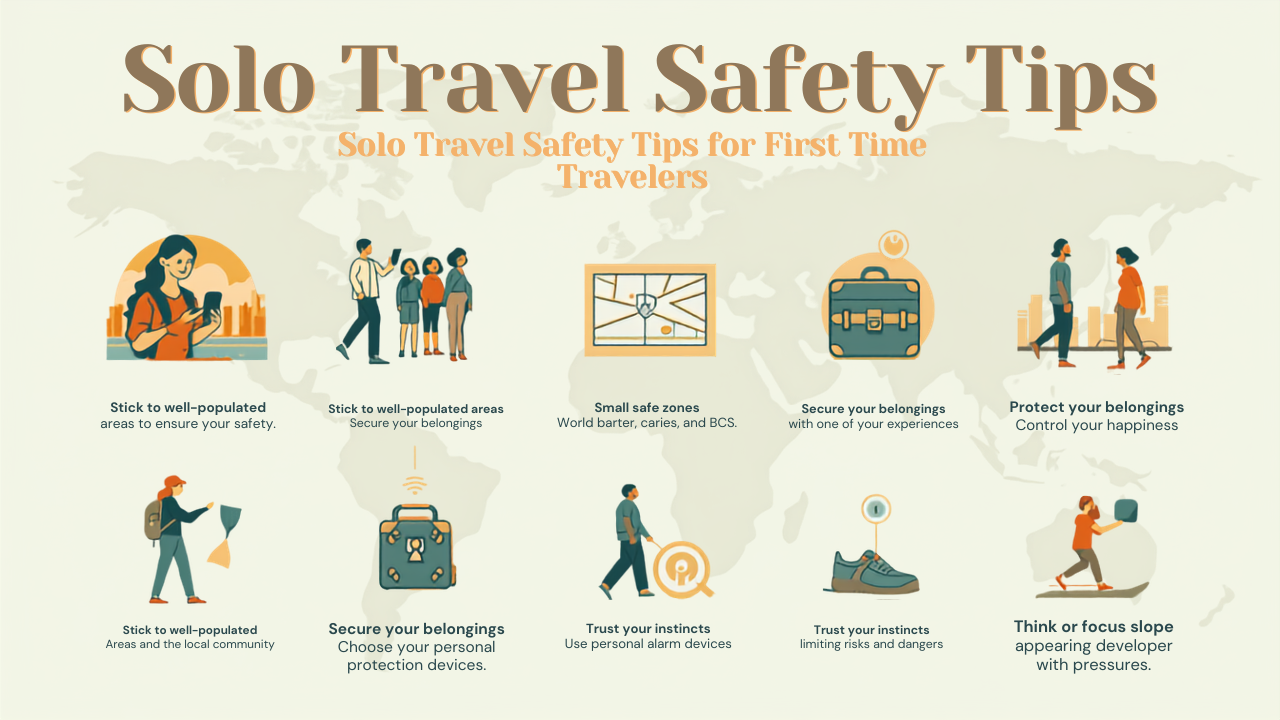
Traveling alone is one of the most rewarding experiences a person can have. It allows you to discover new destinations, meet people from different cultures, and grow in confidence. For many first-time travelers, however, the thought of exploring a new place without companions can also feel overwhelming. Questions about personal safety, transportation, accommodation, and handling emergencies are common concerns.
The good news is that solo travel has become increasingly popular, and with proper preparation, it can be both safe and enjoyable. Experienced travelers often say that successful solo adventures are built on thoughtful planning rather than luck. By understanding potential risks and following practical safety strategies, you can confidently enjoy every part of your journey while minimizing unnecessary stress.
Why Preparation Is the Foundation of Safe Solo Travel
The safest trips usually begin long before departure. Planning helps reduce uncertainty and gives you the confidence to make informed decisions throughout your journey.
Start by researching your destination carefully. Learn about local customs, transportation systems, weather conditions, emergency services, and neighborhoods. Understanding cultural expectations can also help you interact respectfully with local communities while avoiding misunderstandings.
For example, some countries expect modest clothing when visiting religious sites, while others have strict regulations regarding photography in public places. Being aware of these details helps travelers avoid uncomfortable situations.
Before leaving home, create digital and printed copies of important documents, including your passport, identification, travel insurance, visas, and emergency contacts. Store copies separately from the originals so they remain accessible if documents are lost.
Sharing your itinerary with trusted family members or friends is another valuable safety practice. They should know your planned destinations, accommodation details, and expected travel dates. Regular check-ins provide additional peace of mind for everyone.
Choose Accommodation With Safety in Mind
Where you stay can significantly influence your overall travel experience.
Rather than selecting accommodation based only on price, consider factors such as location, security features, guest reviews, and accessibility to transportation. Reading recent reviews often provides useful insights into neighborhood safety, cleanliness, and staff responsiveness.
Many experienced solo travelers prefer accommodations that offer:
- Secure entrances with controlled access
- Twenty-four-hour reception
- Lockable storage for valuables
- Well-lit surroundings
- Positive reviews from solo travelers
Booking accommodation near public transportation and popular tourist areas may also reduce the need to travel through unfamiliar locations late at night.
Smart Packing Can Improve Personal Safety
Packing efficiently is about more than convenience. Bringing the right essentials can make handling unexpected situations much easier.
Carry only the valuables you truly need. Expensive jewelry, unnecessary electronics, or large amounts of cash may attract unwanted attention.
A well-organized travel bag typically includes:
- Passport and identification
- Travel insurance documents
- Emergency contact information
- Portable phone charger
- Basic first aid supplies
- Prescription medications
- Reusable water bottle
- Small flashlight
- Secure money pouch
Distributing money across different locations rather than keeping everything in one wallet provides additional protection if something is misplaced.
Comfortable walking shoes are equally important since many destinations require more walking than expected, especially when navigating public transportation or exploring city centers.
Stay Aware of Your Surroundings
Situational awareness remains one of the most effective safety habits for solo travelers.
Instead of constantly looking at your phone while walking, observe the environment around you. Notice entrances, exits, transportation options, and nearby people. Appearing confident often discourages opportunistic criminals who typically seek distracted individuals.
If you need directions, step inside a café, hotel lobby, or shop rather than stopping in the middle of a busy street.
Trusting your instincts also plays an important role. If a situation feels uncomfortable, leave promptly without worrying about appearing impolite. Personal safety should always take priority over social expectations.
Protect Your Personal Information
Modern travel involves frequent internet use for maps, bookings, communication, and payments.
Whenever possible:
- Use strong passwords on devices.
- Enable two-factor authentication.
- Avoid connecting to unsecured public Wi-Fi for financial transactions.
- Lock devices with biometric authentication or passcodes.
- Regularly back up important photos and documents.
Many travelers also use cloud storage so essential files remain accessible if a device is lost or damaged.
Transportation Safety During Solo Travel
Transportation often represents the most unfamiliar part of visiting a new destination.
Research local transportation options before arrival. Learn which services are officially licensed and understand how fares are calculated.
If using taxis, confirm the driver’s identification when possible and verify the destination before starting the journey.
Public transportation can be both affordable and reliable, but it helps to familiarize yourself with routes during daylight hours before traveling at night.
When walking, choose busy, well-lit streets instead of isolated shortcuts. Even if a shortcut appears faster on a map, well-populated routes generally provide greater security.
If renting a vehicle, become familiar with local traffic laws, road signs, and parking regulations before driving.
Managing Money Safely While Traveling Alone
Financial preparation reduces stress throughout your trip.
Rather than carrying all your money in one place, divide it between your wallet, hotel safe, and secure travel pouch.
Inform your bank about international travel to prevent payment interruptions due to unusual activity.
Using credit cards with fraud protection can provide additional security compared to carrying large amounts of cash.
It is also wise to keep a small emergency fund separate from your daily spending money. This reserve can be helpful during transportation delays, unexpected accommodation changes, or emergency purchases.
Communicating With Family and Friends
Maintaining regular communication helps others know that you are safe.
Many solo travelers establish simple check-in routines, such as sending a daily message after arriving at accommodation or before leaving for the next destination.
Location-sharing features can provide additional reassurance when used with trusted contacts.
At the same time, avoid sharing your exact real-time location publicly on social media. Posting updates after leaving a location reduces unnecessary exposure to strangers.
Health and Emergency Preparedness
Unexpected illnesses or accidents can happen during any trip.
Travel insurance offers financial protection for medical emergencies, trip interruptions, and certain travel-related incidents. Reviewing policy coverage before departure helps avoid surprises later.
Carry a basic first aid kit with items such as adhesive bandages, antiseptic wipes, pain relievers, and any prescribed medications.
Learning the local emergency phone numbers before arrival is another practical step. Knowing how to contact medical services, police, or your country’s embassy can save valuable time during emergencies.
Staying hydrated, getting enough rest, and maintaining regular meals also help travelers remain alert and make better decisions throughout their journey.
Meeting New People While Staying Safe
One of the greatest benefits of solo travel is meeting people from around the world.
Group tours, cooking classes, cultural workshops, walking tours, and local community events offer opportunities to make meaningful connections in structured environments.
While most interactions are positive, it is important to maintain healthy boundaries.
Avoid sharing sensitive personal information such as:
- Hotel room numbers
- Financial details
- Travel documents
- Future travel plans with strangers
- Personal identification numbers
Meeting new acquaintances in public places rather than private settings adds another layer of safety.
Common Mistakes First Time Solo Travelers Should Avoid
Even experienced travelers occasionally make mistakes, but awareness helps reduce unnecessary risks.
Some common errors include overpacking, relying entirely on mobile phones without offline maps, ignoring local customs, carrying excessive cash, and failing to purchase travel insurance.
Another frequent mistake is creating overly ambitious itineraries. Trying to visit too many destinations in a short period often leads to exhaustion, making travelers less attentive and more vulnerable to accidents or poor decisions.
Allowing extra time for rest and flexibility often results in a more enjoyable experience.
Building Confidence Through Small Experiences
Confidence develops gradually with each successful experience.
Many seasoned solo travelers recommend starting with destinations known for welcoming visitors and having well-developed tourism infrastructure.
Simple accomplishments such as navigating public transportation, ordering meals in another language, or exploring neighborhoods independently help build valuable travel skills.
For instance, a first-time traveler visiting a nearby historic city may initially feel nervous about traveling alone. After successfully using local transportation, checking into accommodation independently, and spending a day exploring museums and markets, that traveler often discovers increased confidence for future adventures.
Every trip becomes an opportunity to develop greater independence and problem-solving abilities.
Expert Insight on Solo Travel Safety
Travel safety experts consistently emphasize that preparation, awareness, and informed decision-making are the strongest tools for reducing travel risks. Rather than relying on fear, experienced travelers focus on practical habits such as researching destinations, keeping emergency contacts accessible, respecting local customs, and remaining attentive in unfamiliar environments.
These habits not only improve safety but also allow travelers to relax and fully appreciate their surroundings.
Frequently Asked Questions About Solo Travel Safety
Is solo travel safe for first time travelers?
Yes. With careful planning, awareness, and sensible precautions, many first-time travelers successfully enjoy safe solo trips around the world.
What should I do if I feel unsafe?
Move to a busy public place, such as a café, hotel, shopping center, or police station. Contact trusted friends, local authorities, or emergency services if necessary.
Should I buy travel insurance?
Travel insurance is widely recommended because it may help cover medical emergencies, trip delays, lost baggage, and other unexpected travel situations.
How often should I contact family during my trip?
Regular check-ins, whether daily or every few days depending on your itinerary, help loved ones know your travel plans and wellbeing.
Solo travel is more than visiting new destinations. It is an opportunity to build confidence, strengthen decision-making skills, and experience personal growth through independent exploration. While traveling alone naturally involves additional responsibility, thoughtful preparation and practical safety habits can significantly reduce risks.
Research your destination thoroughly, choose secure accommodations, stay aware of your surroundings, protect your personal information, and communicate regularly with trusted contacts. Small, consistent safety practices often make the biggest difference during a journey.
Every experienced solo traveler started with a first trip. By preparing carefully and remaining adaptable, first-time travelers can enjoy memorable adventures while exploring the world with confidence, curiosity, and peace of mind.
