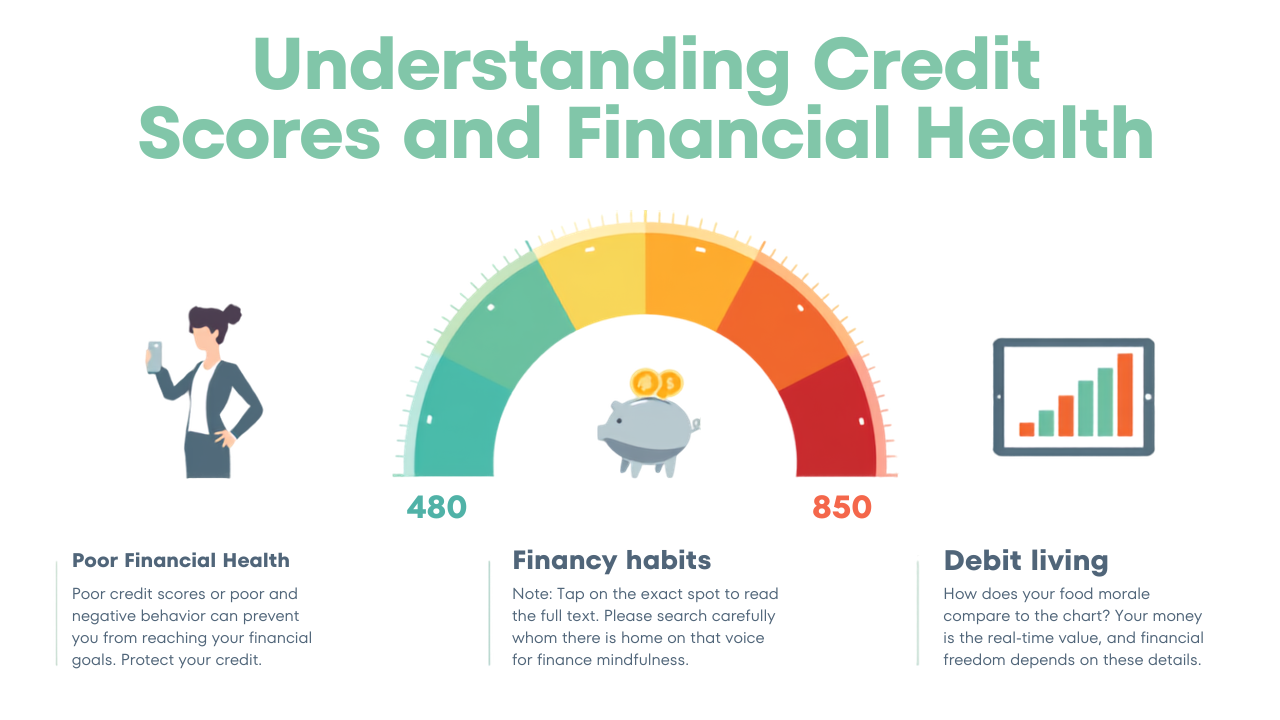
Managing money effectively involves more than earning an income and paying bills. One of the most important indicators of financial responsibility is your credit score. Although it is represented by a simple number, a credit score reflects years of borrowing and repayment behavior. It plays a significant role in many financial decisions and can influence access to credit, borrowing costs, and overall financial flexibility.
Many people only think about their credit score when applying for a loan or a credit card. However, understanding how it works before you need financing can help you build stronger financial habits and avoid unnecessary challenges. Good financial health is not about having a perfect credit score. Instead, it is about consistently making responsible financial decisions that support your long-term goals.
This guide explains how credit scores are calculated, why they matter, and how healthy financial habits contribute to stronger financial well-being.
What Is a Credit Score?
A credit score is a numerical representation of your creditworthiness. It helps lenders estimate the likelihood that a borrower will repay borrowed money on time. Different credit scoring models exist, but most generate scores within a specific range based on information found in your credit history.
Your credit report contains information about your borrowing activities, including loan repayments, credit card usage, payment history, and the length of your credit accounts. Credit scoring models analyze this information to calculate your score.
While scoring systems vary across countries and financial institutions, the general principle remains the same. Consistent and responsible financial behavior usually results in a stronger credit profile.
Why Credit Scores Matter
Credit scores affect much more than loan approvals. Financial institutions often use them to assess risk before offering financial products.
A healthy credit score may help individuals qualify for better interest rates, larger borrowing limits, and more favorable repayment terms. Lower borrowing costs can save substantial amounts of money over the life of a loan.
Credit scores may also influence decisions related to rental housing, insurance pricing in some regions, and certain employment screenings where legally permitted.
Even if you do not currently plan to borrow money, maintaining good credit can provide greater financial flexibility in the future.
How Credit Scores Are Calculated
Although scoring models differ slightly, most evaluate similar financial behaviors.
Payment History
Payment history is generally considered the most influential factor.
Paying loans and credit card bills on time demonstrates financial responsibility. Missed or late payments may remain on a credit report for several years and can significantly affect the overall score.
Even a single missed payment may have an impact, especially if it becomes seriously overdue.
Credit Utilization
Credit utilization measures how much available credit you are currently using.
For example, if you have a credit card with a limit of $10,000 and your outstanding balance is $2,000, your credit utilization is 20%.
Financial experts often recommend maintaining utilization below 30%, while even lower utilization may benefit some borrowers.
Length of Credit History
The age of your credit accounts also contributes to your score.
Older accounts provide more historical data about your borrowing behavior, allowing lenders to better evaluate long-term financial responsibility.
Closing older accounts without careful consideration may sometimes reduce the average age of your credit history.
Types of Credit
A diverse credit profile may include credit cards, personal loans, auto loans, mortgages, or student loans.
Responsibly managing different types of credit may demonstrate the ability to handle multiple financial obligations.
However, opening unnecessary accounts solely to diversify credit is generally not recommended.
New Credit Applications
Applying for several credit products within a short period may temporarily reduce your score.
Each application may generate a hard inquiry on your credit report, indicating that you are seeking additional credit.
Occasional applications are normal, but frequent borrowing requests may raise concerns for lenders.
Understanding Financial Health Beyond Credit Scores
Although credit scores are important, they represent only one aspect of financial health.
Financial health refers to your overall ability to manage money effectively, meet financial obligations, prepare for emergencies, and achieve future financial goals.
Someone may have an excellent credit score but still struggle with insufficient savings or high monthly expenses. Likewise, a person with a limited credit history may have excellent budgeting skills and strong financial discipline.
True financial health combines several important elements.
Stable Income
Consistent income supports regular bill payments and reduces financial stress.
Budget Management
A realistic budget helps balance income, expenses, savings, and debt repayment.
Tracking spending often reveals opportunities to reduce unnecessary expenses.
Emergency Savings
Unexpected expenses such as medical bills, vehicle repairs, or temporary job loss can occur at any time.
Building an emergency fund provides financial security without relying heavily on credit.
Responsible Debt Management
Not all debt is harmful.
Borrowing for education, housing, or business investments may support long-term financial growth when managed responsibly.
The key is ensuring debt remains affordable and repayments are made consistently.
Common Myths About Credit Scores
Many misconceptions create confusion about credit management.
Myth One: Checking Your Credit Score Lowers It
Reviewing your own credit report or credit score generally does not reduce your score.
Personal credit checks are usually considered soft inquiries.
Myth Two: Carrying a Credit Card Balance Improves Your Score
Some people believe they must carry debt every month to build credit.
In reality, paying balances in full while maintaining responsible credit usage often supports healthy credit management.
Myth Three: Income Determines Credit Score
Higher income does not automatically lead to a higher credit score.
Credit scores evaluate borrowing behavior rather than salary levels.
Someone with a modest income who consistently pays bills on time may have a stronger score than someone with a much higher income but poor repayment habits.
Myth Four: Closing Old Credit Cards Always Helps
Closing older accounts may reduce available credit and shorten average account age.
Before closing any account, it is helpful to understand how it may affect your overall credit profile.
Practical Ways to Improve Your Credit Score
Improving credit takes time and consistency rather than quick fixes.
Pay Bills on Time
Setting automatic payments or reminders helps prevent missed due dates.
Consistent payment history remains one of the strongest contributors to healthy credit.
Keep Credit Utilization Low
Avoid using most of your available credit limit whenever possible.
Lower utilization demonstrates responsible borrowing behavior.
Review Your Credit Report
Checking your credit report regularly helps identify possible errors or fraudulent activity.
Reporting inaccuracies promptly may help protect your credit profile.
Avoid Unnecessary Borrowing
Only apply for new credit when it serves a genuine financial purpose.
Frequent applications within a short period may temporarily affect your score.
Maintain Older Accounts
Keeping long-standing accounts open may contribute positively to the average age of your credit history, provided they are managed responsibly.
Real Life Example of Building Better Credit
Consider two individuals with similar incomes.
Priya regularly pays her credit card balance before the due date, keeps spending below 25% of her available limit, and reviews her credit report annually. She gradually builds a strong credit history over several years.
Rahul frequently misses payment deadlines, applies for multiple credit cards within a few months, and often reaches his credit limits. Although his income is similar to Priya’s, his borrowing habits create a weaker credit profile.
This example illustrates that financial behavior often matters more than income when building good credit.
How Financial Habits Shape Long Term Success
Healthy financial habits develop gradually through consistent decisions.
Creating monthly budgets, setting savings goals, avoiding unnecessary debt, and paying obligations on time all contribute to improved financial stability.
Small improvements repeated over many years often produce significant financial benefits.
Rather than focusing only on achieving a specific credit score, many financial professionals encourage building habits that naturally support strong financial health.
The Relationship Between Credit Scores and Financial Goals
Strong credit can make it easier to pursue important life goals.
Individuals planning to purchase a home may benefit from better mortgage options.
Those starting a business may find financing opportunities more accessible.
Even major purchases like vehicles or home improvements may become more affordable through lower borrowing costs associated with stronger credit profiles.
However, maintaining financial health also requires balancing borrowing with saving, investing, and preparing for future needs.
Frequently Asked Questions
What is considered a good credit score?
The definition varies depending on the scoring model and country. In general, higher scores indicate lower lending risk and may improve access to favorable financial products.
How long does it take to improve a credit score?
There is no universal timeline. Improvements depend on individual financial behavior, payment consistency, and the information already present in the credit report.
Does paying off debt immediately increase a credit score?
Reducing outstanding debt may positively influence credit utilization, but overall score changes depend on several factors and may not happen instantly.
Can someone have good financial health without a long credit history?
Yes. Financial health includes budgeting, saving, responsible spending, and debt management. A limited credit history does not necessarily indicate poor financial habits.
Building a Strong Financial Future
Understanding credit scores is an important step toward improving financial literacy and making informed financial decisions. While credit scores help lenders evaluate borrowing behavior, they represent only one part of overall financial health. Consistently paying bills on time, managing debt responsibly, maintaining a balanced budget, and building savings all contribute to long-term financial stability. By focusing on sustainable financial habits rather than short-term solutions, individuals can strengthen both their credit profile and overall financial well-being. Over time, these responsible practices create greater financial confidence, improve access to future opportunities, and support lasting financial success.
