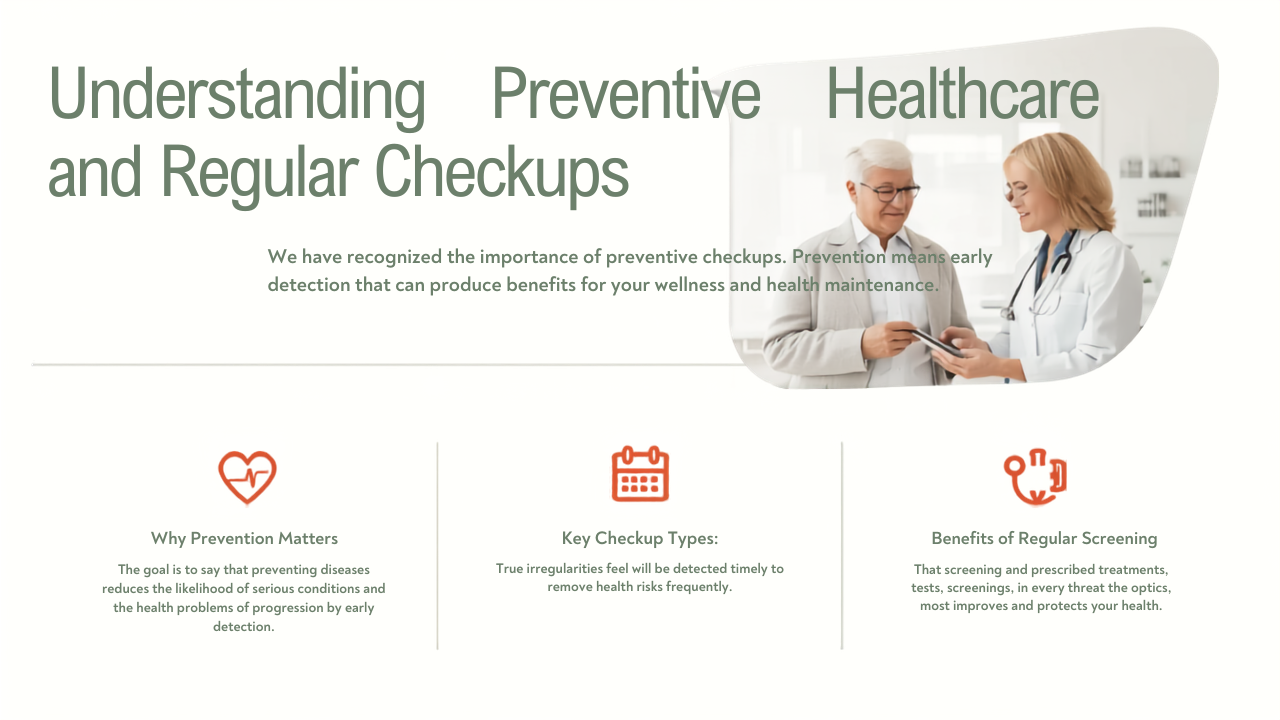
Good health is often associated with visiting a doctor only when symptoms appear. However, modern healthcare emphasizes a different approach—preventing diseases before they become serious. Preventive healthcare is designed to maintain overall well-being, identify potential risks early, and reduce the likelihood of developing chronic illnesses.
Regular health checkups are an important part of preventive care because they help detect conditions that may not show noticeable symptoms during their early stages. Diseases such as diabetes, high blood pressure, and certain cancers often progress silently, making routine examinations valuable for early diagnosis and timely treatment.
Imagine two individuals of the same age. One schedules annual health checkups, follows vaccination recommendations, and receives regular screenings. The other seeks medical attention only after experiencing discomfort. Over time, the first individual has a greater chance of identifying health concerns earlier, leading to better treatment outcomes and potentially lower healthcare expenses. This example highlights why preventive healthcare has become a key focus in modern medicine.
What Is Preventive Healthcare?
Preventive healthcare refers to medical services, screenings, counseling, vaccinations, and lifestyle guidance that help prevent diseases or detect them in their earliest stages. Instead of concentrating solely on treating illness, preventive care focuses on maintaining good health and minimizing future health risks.
Healthcare professionals generally classify preventive care into several categories.
Primary Prevention
Primary prevention aims to stop diseases before they occur. Common examples include vaccinations, balanced nutrition, regular physical activity, tobacco avoidance, and maintaining a healthy weight.
Secondary Prevention
Secondary prevention involves identifying diseases during their early stages through screening tests before symptoms develop. Early detection often allows treatment to begin sooner and improves health outcomes.
Examples include:
- Blood pressure screening
- Cholesterol testing
- Blood sugar testing
- Mammograms
- Cervical cancer screening
- Colon cancer screening
Tertiary Prevention
Tertiary prevention focuses on reducing complications after a disease has already been diagnosed. It includes ongoing disease management, rehabilitation, medication monitoring, and follow-up care to improve quality of life.
Why Preventive Healthcare Matters
Preventive healthcare benefits individuals, families, healthcare providers, and communities alike. Investing time in regular health assessments often leads to better long-term outcomes.
Early Detection Saves Lives
Many serious diseases develop gradually without causing noticeable symptoms. Routine screenings can identify these conditions before they become advanced.
For example, high blood pressure is commonly known as a “silent condition” because many people feel completely healthy despite having dangerously elevated blood pressure. Detecting it during a routine examination allows treatment before complications such as heart disease or stroke develop.
Better Long-Term Health
Preventive care encourages healthy behaviors, including proper nutrition, exercise, stress management, and adequate sleep. These habits contribute to improved physical and mental well-being throughout life.
Lower Healthcare Costs
Treating advanced diseases often requires extensive medical care, hospital stays, surgery, or long-term medications. Detecting health problems earlier may reduce treatment complexity and associated healthcare expenses.
Improved Quality of Life
Maintaining good health supports greater independence, increased energy levels, better productivity, and improved overall quality of life.
What Happens During a Regular Health Checkup?
A routine medical examination is more comprehensive than many people realize. Healthcare providers evaluate both current health and future risks.
Typical components may include:
Medical History Review
Doctors ask about:
- Previous illnesses
- Family medical history
- Current medications
- Allergies
- Lifestyle habits
- Mental health concerns
- Sleep quality
Understanding family history helps identify inherited risks for conditions such as diabetes, heart disease, or certain cancers.
Physical Examination
The examination often includes:
- Blood pressure measurement
- Heart rate assessment
- Weight and height measurement
- Body Mass Index (BMI) calculation
- Temperature check
- Heart and lung examination
- Abdominal examination
- Vision and hearing assessment when appropriate
Laboratory Tests
Depending on age, health status, and risk factors, healthcare providers may recommend:
- Complete blood count
- Blood glucose testing
- Cholesterol profile
- Liver function tests
- Kidney function tests
- Thyroid function tests
- Vitamin deficiency screening
Lifestyle Counseling
Preventive visits often include discussions about:
- Nutrition
- Exercise habits
- Weight management
- Smoking cessation
- Alcohol consumption
- Stress reduction
- Sleep hygiene
These conversations help patients make informed decisions that support long-term wellness.
Recommended Preventive Screenings by Age
Preventive healthcare changes throughout different stages of life because health risks evolve over time.
Young Adults
Adults in their twenties and thirties benefit from:
- Blood pressure checks
- Weight monitoring
- Cholesterol screening when appropriate
- Diabetes risk assessment
- Vaccination updates
- Mental health evaluations
Middle-Aged Adults
As people enter their forties and fifties, healthcare providers may recommend:
- Blood sugar testing
- Cholesterol testing
- Colon cancer screening
- Breast cancer screening
- Cervical cancer screening
- Eye examinations
- Bone health assessments for certain individuals
Older Adults
Preventive care for older adults often includes:
- Osteoporosis screening
- Hearing evaluations
- Vision testing
- Fall risk assessment
- Cognitive health evaluation
- Vaccination review
- Regular medication assessments
Individual recommendations vary depending on medical history, family history, lifestyle, and healthcare provider guidance.
Vaccinations Are Part of Preventive Healthcare
Many people associate vaccinations only with childhood, but immunizations remain important throughout adulthood.
Vaccines help protect against infectious diseases while reducing the spread of illness within communities.
Adults may receive vaccinations for:
- Influenza
- Tetanus
- Shingles
- Pneumococcal disease
- COVID-19, when recommended
- Hepatitis in certain situations
Keeping vaccination records updated is an important aspect of preventive health.
Lifestyle Choices That Support Preventive Health
Medical checkups are only one part of staying healthy. Daily habits significantly influence overall well-being.
Eat a Balanced Diet
Nutritious foods provide essential vitamins, minerals, fiber, healthy fats, and protein needed for proper body function.
A balanced eating pattern often includes:
- Fruits
- Vegetables
- Whole grains
- Lean proteins
- Healthy fats
- Adequate hydration
Reducing highly processed foods, excess sugar, and excessive sodium supports better health.
Stay Physically Active
Regular exercise contributes to:
- Heart health
- Strong bones
- Healthy muscles
- Better mental health
- Weight management
- Improved blood sugar control
Even moderate physical activity performed consistently offers meaningful health benefits.
Prioritize Sleep
Adults generally benefit from sufficient quality sleep each night. Good sleep supports immune function, memory, emotional well-being, and metabolic health.
Manage Stress
Long-term stress can affect both physical and mental health.
Helpful stress management strategies include:
- Mindfulness
- Relaxation exercises
- Physical activity
- Social support
- Time management
- Professional counseling when needed
Avoid Harmful Habits
Reducing or avoiding tobacco use and limiting alcohol consumption lowers the risk of many chronic diseases.
Common Health Conditions Preventive Care Can Detect
Routine screenings help identify numerous medical conditions before symptoms become severe.
Examples include:
High Blood Pressure
Often symptom-free, high blood pressure increases the risk of heart disease, kidney disease, and stroke.
Diabetes
Early detection allows individuals to manage blood sugar through lifestyle changes and medical treatment when appropriate.
High Cholesterol
Elevated cholesterol may contribute to cardiovascular disease without producing noticeable symptoms.
Certain Cancers
Screening programs can identify some cancers during earlier stages when treatment options are often more effective.
Osteoporosis
Bone density testing helps identify weakened bones before fractures occur.
The Role of Mental Health in Preventive Care
Preventive healthcare extends beyond physical wellness.
Healthcare providers increasingly assess emotional and psychological health during routine visits because mental well-being affects nearly every aspect of daily life.
Common topics include:
- Anxiety
- Depression
- Stress
- Sleep problems
- Emotional resilience
- Social connections
Seeking support early can improve quality of life and reduce the impact of mental health conditions.
Building a Long-Term Preventive Healthcare Routine
Preventive healthcare works best when it becomes part of everyday life rather than an occasional event.
Simple ways to stay consistent include:
Schedule Annual Checkups
Mark yearly health examinations on your calendar and treat them as an important personal commitment.
Keep Medical Records Organized
Maintain records of:
- Vaccinations
- Laboratory results
- Screening dates
- Current medications
- Allergies
- Family medical history
Organized information helps healthcare providers make informed decisions.
Follow Recommended Screenings
Each person’s healthcare needs differ based on age, lifestyle, and medical history. Follow personalized recommendations provided by qualified healthcare professionals.
Ask Questions
Patients who actively participate in healthcare decisions often gain a better understanding of their health.
Questions about test results, lifestyle changes, medications, and future screenings encourage informed decision-making.
Common Myths About Preventive Healthcare
Several misconceptions discourage people from scheduling routine medical visits.
Myth: I Feel Fine, So I Don’t Need Checkups
Many chronic diseases develop gradually without symptoms. Feeling healthy does not always mean every aspect of health is normal.
Myth: Preventive Care Is Only for Older Adults
Preventive healthcare benefits individuals at every stage of life. Healthy habits and early screenings can reduce future health risks.
Myth: Healthy Lifestyle Alone Eliminates the Need for Medical Visits
Even individuals who exercise regularly and eat well benefit from periodic medical evaluations because genetics, age, and environmental factors also influence health.
Frequently Asked Questions
How often should adults have regular health checkups?
The frequency depends on age, existing medical conditions, family history, and individual risk factors. Many healthy adults benefit from routine preventive visits, while others may require more frequent monitoring based on their healthcare provider’s recommendations.
Are preventive screenings different for everyone?
Yes. Screening recommendations vary according to age, sex, family history, lifestyle, and personal health risks. A healthcare professional can recommend the most appropriate screening schedule.
Why are regular checkups important if there are no symptoms?
Many conditions, including high blood pressure, diabetes, and high cholesterol, may not cause symptoms during their early stages. Routine checkups can identify these conditions before complications develop.
Can preventive healthcare improve long-term wellness?
Preventive healthcare encourages early detection, healthy lifestyle choices, routine monitoring, and timely interventions that support better long-term physical and mental health.
Preventive healthcare is an ongoing investment in lifelong wellness rather than a response to illness. Through regular checkups, recommended screenings, vaccinations, healthy lifestyle habits, and open communication with healthcare professionals, individuals can identify potential health concerns earlier and make informed decisions that support overall well-being. Building a consistent preventive care routine not only helps reduce the risk of chronic diseases but also promotes healthier aging, improved quality of life, and greater confidence in managing personal health. By making prevention a regular priority, people can take meaningful steps toward maintaining better health for years to come.
