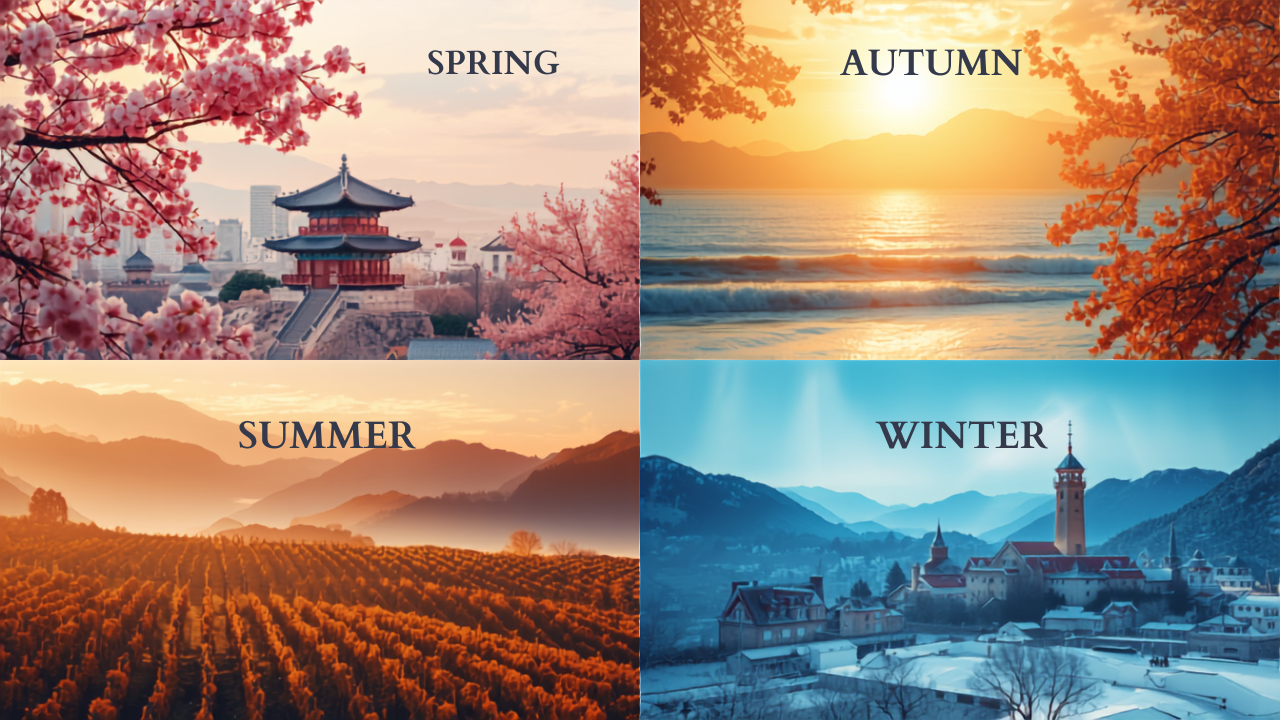
Every destination has a time when it truly shines. Some places are most enjoyable during sunny summer days, while others become magical when covered in snow or filled with colorful autumn leaves. Choosing the right season can make a significant difference in your travel experience, influencing everything from weather and activities to accommodation prices and crowd sizes.
Many travelers focus only on the destination itself, but experienced travelers know that timing is equally important. Visiting a famous beach during hurricane season or exploring mountain trails during heavy snowfall may limit your plans. On the other hand, traveling during the ideal season allows you to enjoy comfortable weather, local events, scenic landscapes, and unforgettable experiences.
Understanding seasonal travel helps you maximize your vacation budget while avoiding unnecessary challenges. Whether you’re planning your first international adventure or looking for your next family getaway, selecting destinations based on the season is one of the smartest travel strategies.
Why Seasons Matter When Planning a Trip
The changing seasons affect nearly every aspect of travel. Climate influences outdoor activities, wildlife viewing opportunities, transportation conditions, and even the atmosphere of a destination.
For example, tropical islands often experience dry and rainy seasons instead of traditional summer and winter. Mountain destinations may offer hiking in warmer months and skiing during winter. Cities also transform throughout the year, hosting festivals, cultural celebrations, and seasonal markets that create unique travel experiences.
Seasonal planning also impacts travel expenses. Flights and hotels are usually more expensive during peak tourist seasons, while shoulder seasons often provide better deals without sacrificing enjoyable weather.
Understanding these seasonal differences allows travelers to match their interests with the best possible destination.
Benefits of Traveling During the Right Season
Choosing the appropriate season offers several advantages:
- More comfortable weather for sightseeing
- Better opportunities for outdoor adventures
- Lower travel costs during shoulder seasons
- Fewer crowds at popular attractions
- Greater availability of accommodations
- Access to seasonal festivals and cultural events
- Improved photography conditions with beautiful landscapes
These factors contribute to a smoother and more enjoyable travel experience.
Best Travel Destinations for Spring
Spring is often considered one of the most pleasant travel seasons. Flowers bloom, temperatures become comfortable, and many destinations experience fewer crowds than during summer.
Countries known for gardens and natural beauty become especially attractive during spring. Parks, botanical gardens, and countryside landscapes come alive with vibrant colors, creating ideal conditions for photography and outdoor exploration.
Many European cities enjoy mild temperatures that make walking tours enjoyable. Cherry blossoms in several countries attract visitors seeking stunning natural scenery, while national parks begin reopening hiking trails after winter.
Spring is also an excellent season for road trips because driving conditions are generally favorable, and landscapes are fresh and green.
Ideal Spring Activities
Spring offers opportunities for:
- Nature walks
- Flower festivals
- Hiking
- Wildlife photography
- Cycling tours
- Scenic countryside drives
- Cultural sightseeing
Travelers who enjoy moderate weather often find spring to be one of the most comfortable seasons.
Best Travel Destinations for Summer
Summer is the traditional vacation season in many parts of the world. Families, students, and outdoor enthusiasts often travel during these months because of school holidays and warm weather.
Beach destinations become especially popular during summer. Coastal towns, islands, and lakes offer swimming, boating, snorkeling, and water sports.
Mountain regions also attract visitors looking to escape city heat. Hiking trails, camping areas, and national parks experience their busiest periods as travelers explore natural landscapes.
Northern destinations that experience long daylight hours allow tourists to maximize sightseeing opportunities.
Summer Travel Tips
Summer travel requires additional planning because many destinations become crowded.
Helpful strategies include:
- Booking flights well in advance
- Reserving accommodations early
- Visiting popular attractions during mornings
- Staying hydrated in hot climates
- Wearing lightweight clothing
- Using sunscreen regularly
These simple preparations can make summer vacations more comfortable and enjoyable.
Best Travel Destinations for Autumn
Autumn offers one of the most visually stunning travel experiences. Forests transform into colorful landscapes featuring shades of red, orange, and gold.
Many travelers appreciate autumn because temperatures become cooler after summer while tourist crowds begin to decline.
Wine-producing regions often celebrate harvest festivals during autumn, giving visitors opportunities to experience local traditions and cuisine.
National parks become particularly attractive as changing leaves create breathtaking scenery for hiking and photography.
Autumn is also an excellent season for exploring historic cities since walking outdoors becomes more comfortable compared to the heat of summer.
Why Travelers Love Autumn
Autumn combines pleasant weather with peaceful surroundings. Visitors often enjoy:
- Beautiful fall foliage
- Comfortable sightseeing temperatures
- Seasonal food festivals
- Lower accommodation prices
- Reduced waiting times at attractions
- Scenic hiking trails
These advantages make autumn one of the most rewarding travel seasons.
Best Travel Destinations for Winter
Winter creates opportunities for experiences that cannot be enjoyed during other seasons.
Snow-covered mountain resorts attract skiing and snowboarding enthusiasts, while northern regions provide opportunities to witness spectacular natural phenomena such as the Northern Lights.
Many cities celebrate the holiday season with festive decorations, traditional markets, seasonal performances, and local celebrations that create memorable travel experiences.
For travelers who prefer warm weather, winter is also an ideal time to visit tropical destinations where sunshine replaces cold temperatures.
Choosing between snowy adventures and warm beaches depends entirely on personal preferences.
Popular Winter Experiences
Winter travel often includes:
- Skiing
- Snowboarding
- Ice skating
- Holiday markets
- Hot spring visits
- Wildlife viewing
- Northern Lights tours
Each activity highlights a different aspect of seasonal travel.
Understanding Peak Season, Shoulder Season, and Off Season
Travel experts often divide tourism into three main periods.
Peak season refers to the busiest travel period when weather is ideal and tourist demand is highest. Flights and accommodations generally cost more during this time.
Shoulder season occurs immediately before or after peak season. Travelers often enjoy pleasant weather with fewer crowds and better prices.
Off season usually experiences the lowest tourist numbers due to less favorable weather conditions or reduced accessibility. However, off-season travel can offer substantial savings and unique experiences for flexible travelers.
Understanding these travel periods helps visitors balance comfort, budget, and overall experience.
Factors to Consider Before Choosing a Seasonal Destination
While weather is important, several other considerations should influence your travel decisions.
Budget remains one of the biggest factors. Popular destinations can become significantly more expensive during holidays and school vacations.
Activities also matter. Wildlife enthusiasts should research animal migration patterns, while adventure travelers should check hiking conditions, snowfall levels, or water visibility for diving.
Health and safety should never be overlooked. Travelers should understand seasonal weather risks, including hurricanes, monsoons, extreme heat, or heavy snowfall.
Local events may also influence your experience. Cultural festivals can provide unforgettable memories but may increase accommodation prices and visitor numbers.
Researching these factors before booking helps prevent unexpected challenges.
How Climate Influences Different Types of Travel
Different travel styles benefit from different weather conditions.
Beach vacations require warm temperatures and calm seas.
Adventure tourism often depends on trail accessibility, river conditions, or snowfall.
Wildlife safaris may be more rewarding during dry seasons when animals gather near water sources.
City vacations become more enjoyable during moderate temperatures that allow extended walking.
Photography enthusiasts often plan trips around seasonal landscapes, blooming flowers, autumn foliage, or snowy scenery.
Matching climate with travel interests improves the overall quality of the trip.
Practical Planning Tips for Seasonal Travel
Successful travel begins with thorough planning.
Start by researching average temperatures rather than relying solely on season names, since climates vary across regions.
Monitor weather forecasts closer to departure dates while remaining flexible if conditions change unexpectedly.
Book accommodations that offer cancellation policies whenever possible.
Pack clothing suitable for changing weather, especially during spring and autumn when temperatures can fluctuate throughout the day.
Travel insurance may also provide additional peace of mind, particularly when visiting destinations affected by seasonal weather disruptions.
Creating a checklist before departure helps ensure nothing important is forgotten.
Common Mistakes Travelers Should Avoid
Many travel disappointments result from insufficient research rather than poor destinations.
Some travelers assume weather conditions remain constant across entire countries, even though climate often varies significantly between regions.
Others book trips during local rainy seasons without understanding how precipitation may affect planned activities.
Ignoring local holidays can also create challenges, as attractions may become crowded or transportation may operate on modified schedules.
Packing inappropriate clothing is another common mistake that can reduce comfort during the trip.
Careful preparation minimizes these issues and contributes to a more enjoyable travel experience.
Frequently Asked Questions
What is the best season for international travel?
There is no universal best season. The ideal time depends on your destination, preferred activities, budget, and weather preferences.
Is shoulder season better than peak season?
Many experienced travelers prefer shoulder season because it offers comfortable weather, lower prices, and fewer crowds while still providing excellent travel experiences.
How far in advance should seasonal trips be planned?
Peak season vacations often benefit from bookings made several months in advance. Shoulder and off-season travel may offer greater flexibility and occasional last-minute deals.
Can off-season travel still be enjoyable?
Yes. Many destinations remain attractive during the off season, especially for travelers seeking quieter experiences, lower costs, and authentic local interactions.
Choosing the best travel destinations by season is one of the most effective ways to create memorable and rewarding travel experiences. Every season offers unique opportunities, from colorful spring landscapes and sunny summer beaches to vibrant autumn scenery and exciting winter adventures. By understanding seasonal weather patterns, local events, travel costs, and available activities, you can plan vacations that match your interests while making the most of your budget. Thoughtful seasonal planning not only improves comfort and convenience but also helps you discover destinations at their very best, creating journeys filled with meaningful experiences and lasting memories.
