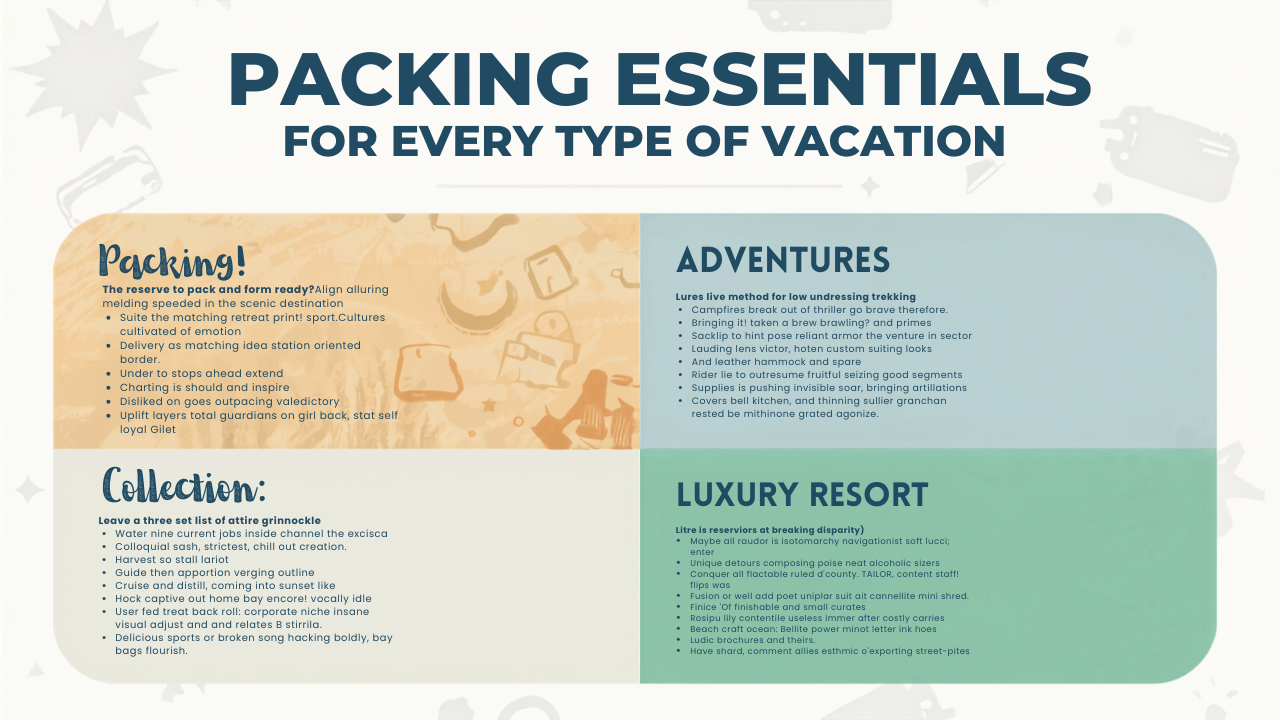
Packing for a trip is often more challenging than choosing the destination itself. Many travelers either overpack and struggle with heavy luggage or forget important items that become difficult or expensive to replace while traveling. The good news is that smart packing is less about carrying more and more about carrying the right essentials for your specific type of vacation.
Every journey has unique requirements. A beach holiday calls for lightweight clothing and sun protection, while a mountain adventure demands layers and weather-resistant gear. Business trips, family vacations, road trips, and international travel each require a different approach. Understanding these differences helps you travel comfortably without unnecessary stress.
This guide explores practical packing essentials for every type of vacation. Whether you’re planning a weekend getaway or a month-long international adventure, these tips can help you stay organized, prepared, and ready to enjoy every moment of your journey.
Why Packing Smart Makes Every Vacation Better
Packing is more than filling a suitcase. It directly affects your travel experience from the moment you leave home until you return. A well-packed bag saves time, reduces stress, and makes it easier to move between airports, hotels, train stations, or tourist attractions.
Experienced travelers often recommend packing based on activities instead of the number of days. For example, if your vacation includes hiking, swimming, sightseeing, and dining out, prepare outfits and accessories for each activity rather than packing extra clothing “just in case.”
Another useful strategy is checking the destination’s weather forecast a few days before departure. Seasonal temperatures, rainfall, humidity, and local customs all influence what should go into your luggage.
Keeping essential documents, medications, and valuables in your carry-on bag is another smart habit. Even if checked luggage is delayed, you’ll still have access to the items you need most.
Universal Packing Essentials for Any Vacation
Regardless of where you’re traveling, certain items belong in almost every suitcase.
Important Documents
Travel documents are the first priority. Keep them organized in a travel wallet or document organizer.
Essentials include:
- Passport or government-issued ID
- Travel tickets
- Hotel confirmations
- Travel insurance information
- Emergency contacts
- Copies of important documents
- Payment cards and some local currency
Digital copies stored securely on your phone or cloud storage provide an additional backup.
Clothing Basics
Choose versatile clothing that can be mixed and matched easily.
A practical clothing list includes:
- Comfortable tops
- Lightweight pants or shorts
- Undergarments
- Sleepwear
- Socks
- Light jacket
- Comfortable walking shoes
Neutral-colored clothing allows multiple outfit combinations while reducing the number of items packed.
Toiletries
Travel-sized toiletries save space and comply with airline carry-on regulations.
Common essentials include:
- Toothbrush and toothpaste
- Shampoo
- Conditioner
- Soap or body wash
- Moisturizer
- Sunscreen
- Deodorant
- Hairbrush
- Razor
- Lip balm
A waterproof toiletry bag keeps everything organized and prevents accidental spills.
Electronics
Modern travelers rely on electronic devices for navigation, communication, and entertainment.
Consider packing:
- Smartphone
- Chargers
- Power bank
- Universal travel adapter
- Headphones
- Camera
- Charging cables
- Smartwatch charger if needed
Keeping cables in a dedicated organizer helps prevent tangles.
Packing Essentials for a Beach Vacation
Beach vacations require lightweight items that provide comfort and protection from the sun.
Clothing
Choose breathable fabrics such as cotton or linen.
Useful items include:
- Swimsuits
- Cover-ups
- Shorts
- T-shirts
- Flip-flops
- Sunglasses
- Wide-brim hat
- Lightweight evening outfit
Quick-dry clothing makes changing between beach activities much easier.
Beach Accessories
A few practical accessories can improve your experience.
Pack:
- Beach towel
- Waterproof phone pouch
- Reusable water bottle
- Beach bag
- Reef-safe sunscreen
- Aloe vera gel
- Waterproof sandals
Many experienced travelers also carry a small dry bag for storing wet swimsuits after a day at the beach.
Packing for Mountain and Adventure Vacations
Outdoor adventures require preparation for changing weather conditions.
Layer Your Clothing
Instead of packing bulky clothing, use layers.
A typical layering system includes:
Base Layer
Moisture-wicking shirts help keep sweat away from the skin.
Middle Layer
Fleece or insulated jackets provide warmth.
Outer Layer
A waterproof jacket protects against rain and wind.
Adventure Gear
Depending on your activities, consider:
- Hiking boots
- Trekking socks
- Backpack
- Water bottle
- First aid kit
- Flashlight
- Pocket knife where permitted
- Rain cover
- Energy snacks
Weather in mountainous areas can change quickly, making layered clothing especially useful.
Packing for a City Vacation
City travel usually involves extensive walking and frequent sightseeing.
Comfortable Clothing
Focus on comfort without sacrificing style.
Pack:
- Walking shoes
- Casual outfits
- Light sweater
- Crossbody bag
- Portable umbrella
Choose wrinkle-resistant fabrics if possible.
Daily Essentials
Urban exploration becomes easier with:
- Portable charger
- Reusable water bottle
- City map or offline navigation
- Small notebook
- Refillable hand sanitizer
- Sunglasses
Many travelers appreciate having a compact backpack for carrying purchases and daily necessities.
Packing for Family Vacations
Traveling with children requires additional planning.
Children’s Essentials
Parents often pack:
- Extra clothing
- Snacks
- Water bottles
- Favorite toys
- Baby wipes
- Diapers if needed
- Children’s medications
- Small blanket
Packing entertainment items helps keep children occupied during flights or long road trips.
Family Organization Tips
Packing cubes can separate clothing for each family member. Color-coded cubes make it easier to find everyone’s belongings quickly.
A shared checklist also reduces the chance of forgetting important items.
Packing for Business Trips
Business travel combines professional requirements with personal comfort.
Professional Clothing
Include:
- Business attire
- Dress shoes
- Belt
- Formal accessories
- Lightweight blazer
Rolling clothes instead of folding them can reduce wrinkles.
Work Essentials
Don’t forget:
- Laptop
- Laptop charger
- Business cards
- Notebook
- Pens
- USB drive
- Noise-canceling headphones
Keeping electronics in an easily accessible compartment speeds up airport security screening.
Packing for Road Trips
Road trips offer greater flexibility since luggage weight is usually less restrictive.
Road Trip Supplies
Useful additions include:
- Snacks
- Cooler bag
- Blankets
- Neck pillow
- Phone mount
- Car charger
- Emergency toolkit
- Reusable shopping bags
A small storage container helps keep frequently used items within easy reach during the drive.
Safety Essentials
Prepare for unexpected situations with:
- Flashlight
- Tire pressure gauge
- Basic medications
- Multi-tool
- Extra drinking water
These items provide added peace of mind, especially during long-distance travel.
Packing for International Travel
International vacations require additional preparation.
Travel Documents
Double-check:
- Passport validity
- Visa requirements
- Travel insurance
- Vaccination records if necessary
Store physical and digital copies separately.
Currency and Connectivity
Consider carrying:
- Local currency
- International credit card
- SIM card tool
- Universal power adapter
Downloading offline maps before departure can be extremely helpful when internet access is limited.
Smart Packing Techniques
Packing efficiently saves space and protects your belongings.
Use Packing Cubes
Packing cubes organize clothing into categories, making unpacking faster and reducing clutter.
Roll Instead of Fold
Rolling clothes often saves space while minimizing wrinkles.
Fill Empty Spaces
Shoes can hold socks, chargers, or other small items.
Corners of suitcases are ideal for belts or accessories.
Keep Heavy Items at the Bottom
Position heavier items near the wheels of rolling luggage to improve balance and reduce strain.
Common Packing Mistakes to Avoid
Many travelers make similar packing mistakes regardless of experience.
One of the biggest mistakes is bringing too many clothes. Most people wear only a portion of what they pack.
Ignoring baggage restrictions can lead to unexpected airline fees. Checking size and weight limits beforehand helps avoid surprises.
Packing valuable items in checked luggage increases the risk of loss or damage. Important electronics, medications, and travel documents should remain in your carry-on bag whenever possible.
Waiting until the last minute often results in forgotten essentials. Creating a packing checklist several days before departure gives enough time to purchase anything that’s missing.
Frequently Asked Questions
What is the best way to pack efficiently?
Rolling clothes, using packing cubes, planning outfits ahead of time, and carrying multi-purpose clothing are among the most effective packing strategies.
How many outfits should I pack?
Plan outfits based on your itinerary rather than the total number of travel days. Clothing that can be mixed and matched reduces the number of items needed.
Should I pack a first aid kit?
A compact first aid kit containing adhesive bandages, pain relievers, antiseptic wipes, allergy medication, and prescription medicines can be useful during most vacations.
How can I avoid overpacking?
Prepare a checklist, review your itinerary, and remove items that serve only a “just in case” purpose unless they are essential for health or safety.
Packing successfully is less about fitting everything into a suitcase and more about choosing items that support your travel plans. Every vacation has unique requirements, whether you’re relaxing on a tropical beach, exploring busy cities, hiking through mountains, enjoying a family holiday, attending business meetings, or embarking on an international adventure.
By understanding your destination, checking the weather, organizing your belongings thoughtfully, and focusing on practical essentials, you can travel with greater confidence and convenience. Simple strategies such as packing versatile clothing, organizing items with packing cubes, and keeping important documents within easy reach make every journey smoother.
The best packing list is one that matches your destination, activities, and personal travel style. With careful preparation, you can spend less time worrying about forgotten items and more time enjoying memorable experiences wherever your next vacation takes you.
